A Guitar Melody Recast for a Phone Speaker
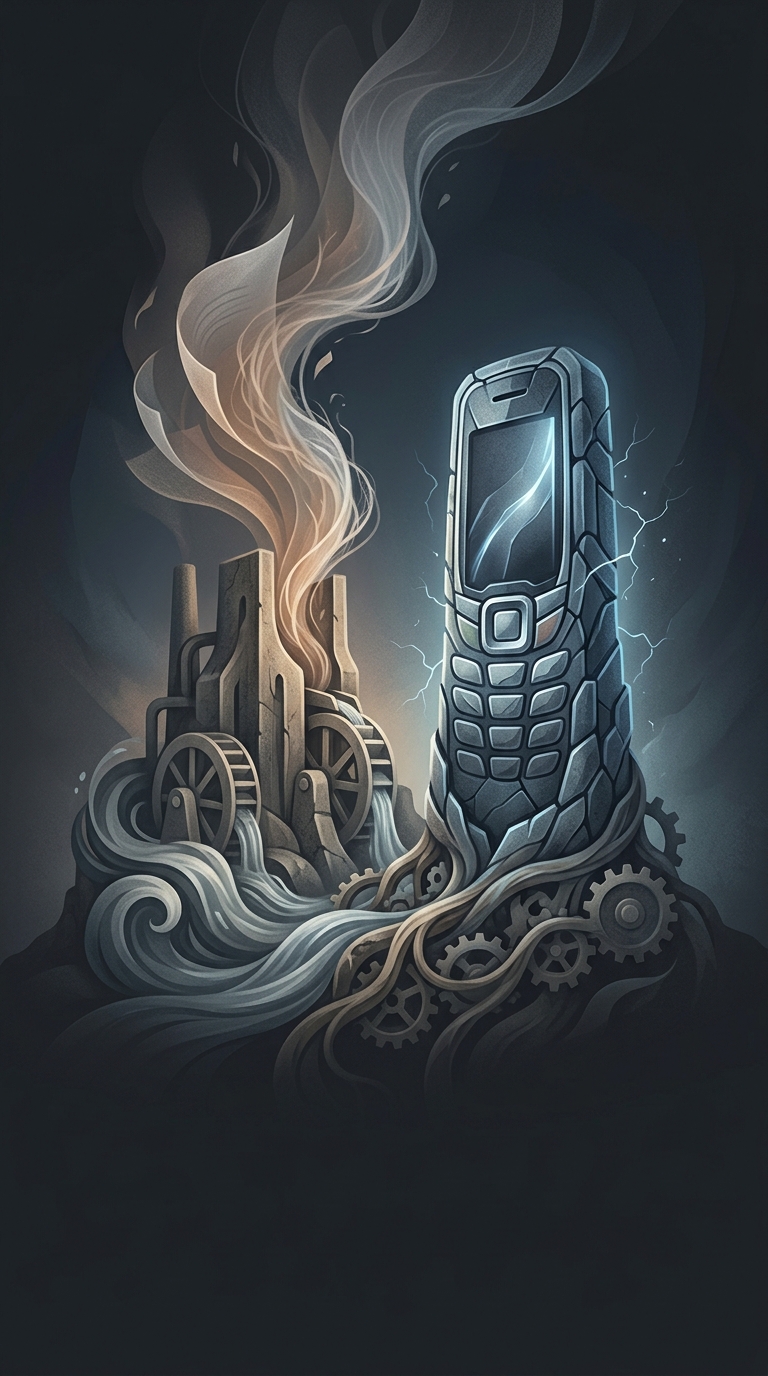
Francisco Tárrega’s Gran Vals is a guitar work, but the Nokia ringtone uses only a brief melodic passage—not the piece’s full arrangement. Stripped of its accompaniment, the tune becomes a compact sequence of notes that can stand on its own. That made it well suited to early mobile phones, whose small speakers and simple sound systems could not reproduce the richness of a guitar performance.
The ringtone was rendered as a monophonic signal: one note at a time, rather than several layered parts. That limitation did not merely reduce the music; it shaped its character. The tune’s clear rises and falls remained easy to follow through a small, buzzy speaker and were less likely to blur into noise than a dense musical passage.
Why the Tune Traveled So Far
A ringtone is heard in public, but its reach depends on how often phones are actually set to play it. Nokia’s tune came ready to use on many devices, so owners did not need to know its composer or choose it deliberately. Each default phone carried the same short melody into offices, restaurants, trains, and theaters.
That repetition turned a practical alert into a shared sound. The phone’s design constraints helped make the excerpt brief and simple; the default setting supplied millions of chances to hear it. A few notes from a nineteenth-century guitar piece could therefore become familiar even to people who had never heard Gran Vals itself.