How a Roar Takes Over the Sound Mix
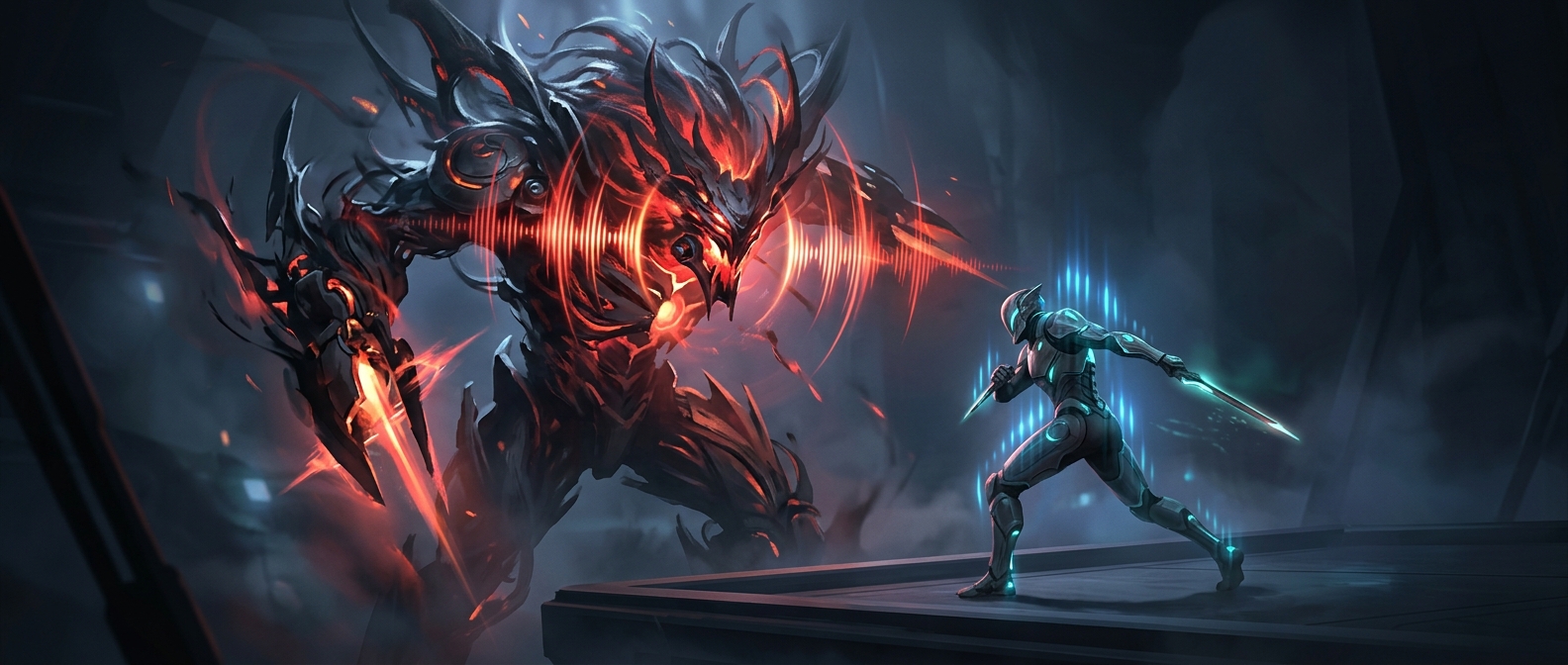
A game’s sound mix is a moving balance, not a fixed layer of equally loud effects. When a dragon roars, the audio system can briefly turn down other sounds so the roar remains clear. This is called audio ducking: one sound’s arrival automatically lowers the volume of others.
Why the Other Sounds Get Quieter
A roar may overlap with footsteps, clashing weapons, music, and environmental noise. If all of them stayed at full volume, their sounds would compete, making the dragon harder to hear and the moment less forceful. Ducking creates room for the roar without needing to silence the rest of the game entirely.
The reduction can be temporary and timed to the roar. As it fades, ambient sounds and combat effects can return to their previous levels. That lets the scene stay active while guiding the player’s attention toward the creature.
A Dramatic Cue With a Practical Job
The effect does more than make the dragon seem powerful. A loud, unmistakable roar can signal danger or announce that the creature is acting, even while the player is moving and fighting. By lowering competing audio, the game makes that cue easier to recognize—and gives the roar space to feel like it has taken over the scene.