Why a Wall Makes Sound Duller
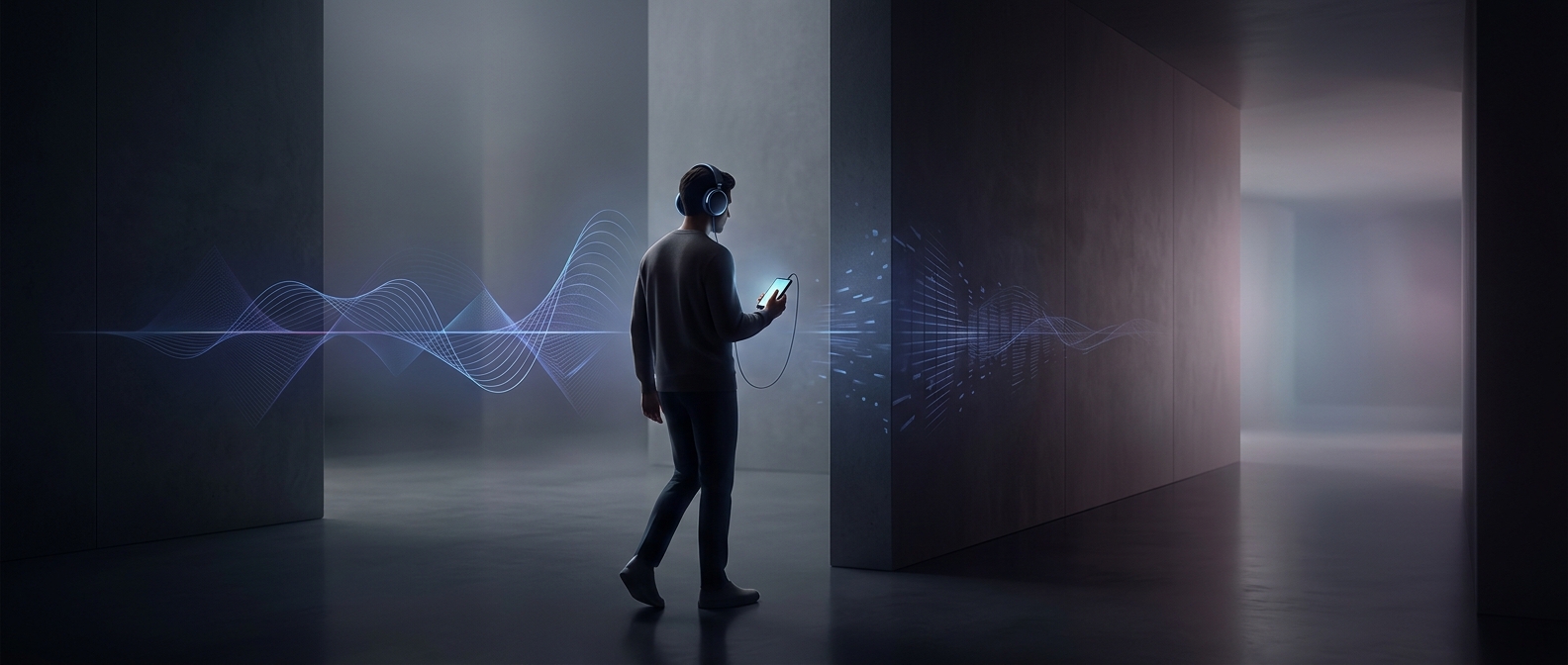
A wall does not simply turn a sound down. It absorbs and reflects some of the sound energy passing through it, and higher-pitched components are often reduced more than lower ones. The result is a sound that seems less crisp: a breath or scrape loses some of its fine, airy detail while its deeper rumble remains.
The Game’s Audio Shortcut
A game can imitate that change with a low-pass filter, an audio effect that reduces high frequencies while leaving more low-frequency sound intact. The effect can be adjusted to suggest different barriers: a thin partition might soften the sound slightly, while a heavier wall can make it much more muffled. The game may also lower the volume, but filtering is what helps make the sound feel as though it is coming through a surface rather than merely from farther away.
Turning Sound Into Spatial Information
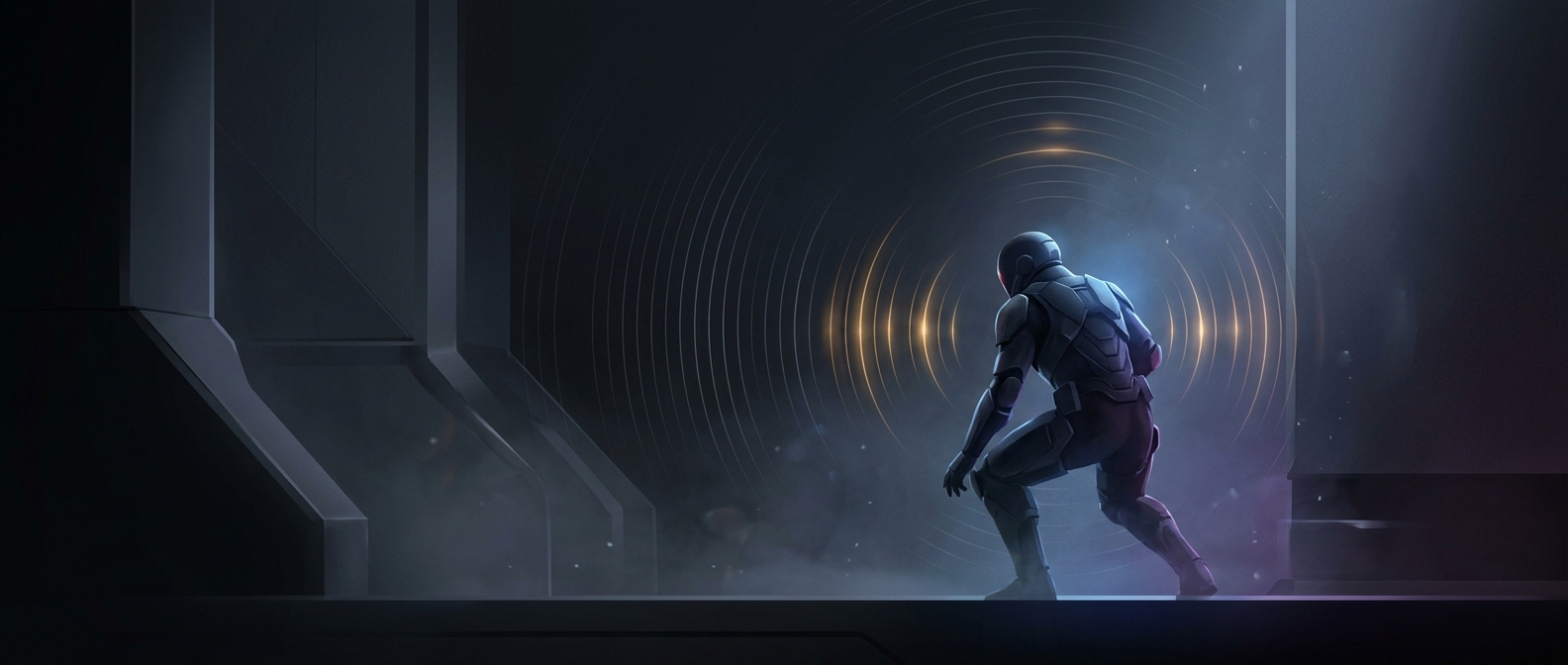
This treatment helps players infer where a sound is coming from without seeing its source. A monster’s breathing can remain audible through the wall, yet its dulled quality signals that the creature is separated from the player. When it crosses into the same room, the high-frequency detail returns, making the change immediately noticeable.
The effect is a practical approximation, not a full simulation of how sound travels through every building material. Its purpose is to make the boundary legible: players can hear danger nearby and distinguish “on the other side” from “right here.”