The sound is part of the attack’s timing
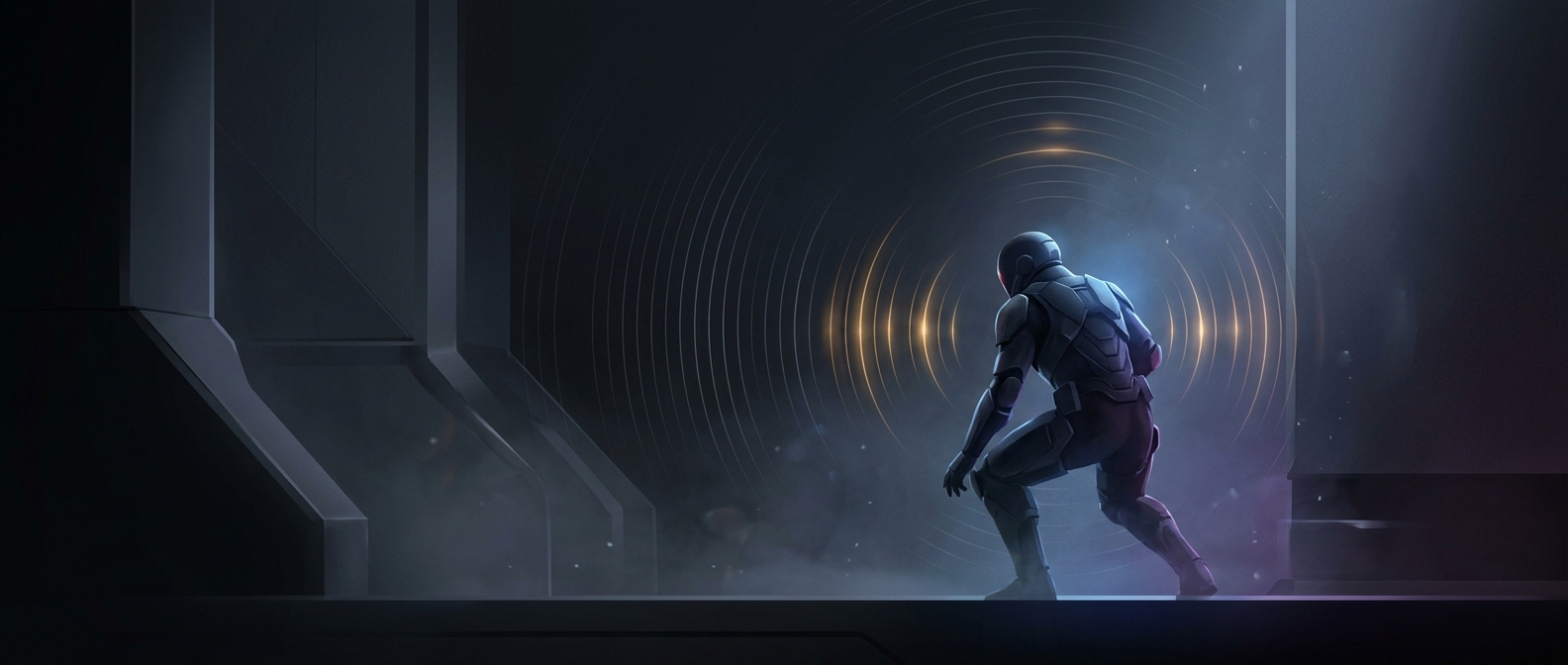
A warning sound works because the game can separate an attack into stages: the enemy prepares, the blow travels or becomes unavoidable, and the player must respond. A ring, growl, or grunt can mark that preparation stage. It gives the player information before the visual impact, turning sound into a cue for when to act—not just an effect that makes the hit feel powerful.
The gap between the cue and the hit matters. If it is too short, the sound may register only as part of the impact. If it is longer, players have time to recognize the signal and dodge. Designers can vary that gap to make attacks feel quicker or more threatening, while keeping the cue consistent enough to learn.
Why a sound can cut through the action
During a fight, the screen may be crowded with effects, motion, and multiple enemies. A distinctive sound can stand out even when the attacker is briefly off-screen or hidden by visual clutter. Its character can also help distinguish one move from another: a sharp metallic ring suggests something different from a low, rough vocalization.
The cue is useful only if players can hear and interpret it. If several effects mask one another, or every attack has a similar sound, the warning loses value. So audio and animation must work together: the sound draws attention, while the enemy’s movement helps identify where the danger is and what kind of response it calls for.
Learning the cue changes the fight
At first, a player may dodge because a sound feels alarming. With repetition, the sound becomes a learned signal: this particular noise means an attack is about to land. The warning gives players a brief, usable window to turn recognition into action. A well-timed cue makes a dodge feel earned, because success depends on noticing the preparation rather than reacting only after the hit.