The Walkman Made Listening Personal
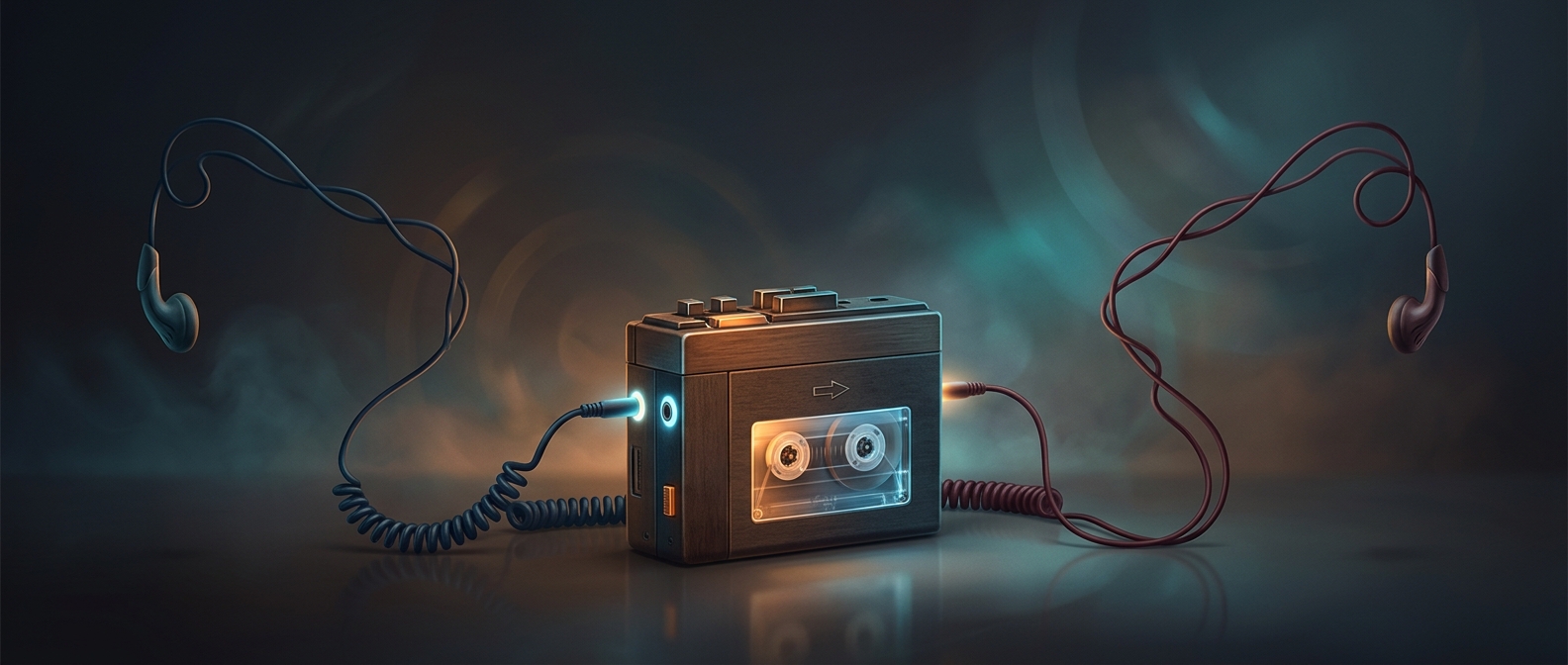
Before portable cassette players, music in public usually came from a shared source: a radio, a car stereo, or a venue. Sony’s 1979 Walkman changed the arrangement. A person could carry a soundtrack through a street or onto a bus, choosing what to hear without asking anyone else to listen along.
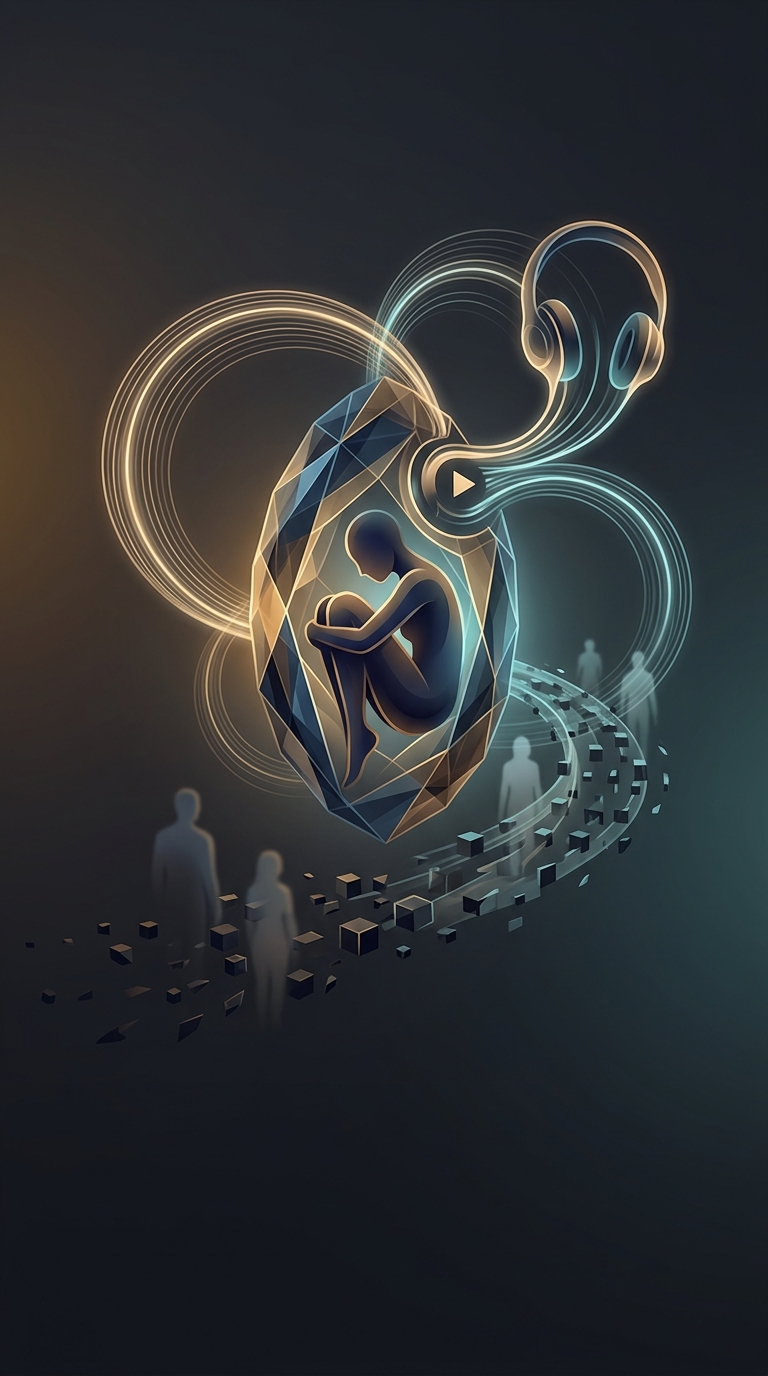
That small shift made headphones more than a way to hear music. They became a visible boundary: the wearer might be present in a crowded place but unavailable for conversation. The concern that private listening could weaken everyday social contact was not hard to understand, even if predictions of society-wide isolation went far beyond what the device itself could establish.
A New Kind of Public Etiquette
The Walkman did not simply remove people from public life; it gave them more control over how they experienced it. Music could make a tedious commute feel shorter, soften the noise of a crowded train, or provide privacy without requiring a private room. The tradeoff was that spontaneous exchanges—small talk, shared attention, a stranger’s question—became easier to screen out.
Headphones also created a new social signal. Someone wearing them might still hear a nearby person, but others had to guess whether an interruption would be welcome. Over time, the device helped make solitary listening in shared spaces ordinary rather than conspicuous.
From Cassette Player to Everyday Escape
Today’s earbuds extend the same basic choice in a more compact form, often pairing music with podcasts, calls, or noise reduction. The technology has changed, but the social bargain remains: a person can move through a shared place while controlling what reaches their attention. That does not mean the Walkman’s critics foresaw a total collapse of community. It means they noticed a real change in public manners—one that now fits in a pocket and can quietly turn a crowded bus into a private listening space.