The Walkman’s “hotline” button made room for conversation
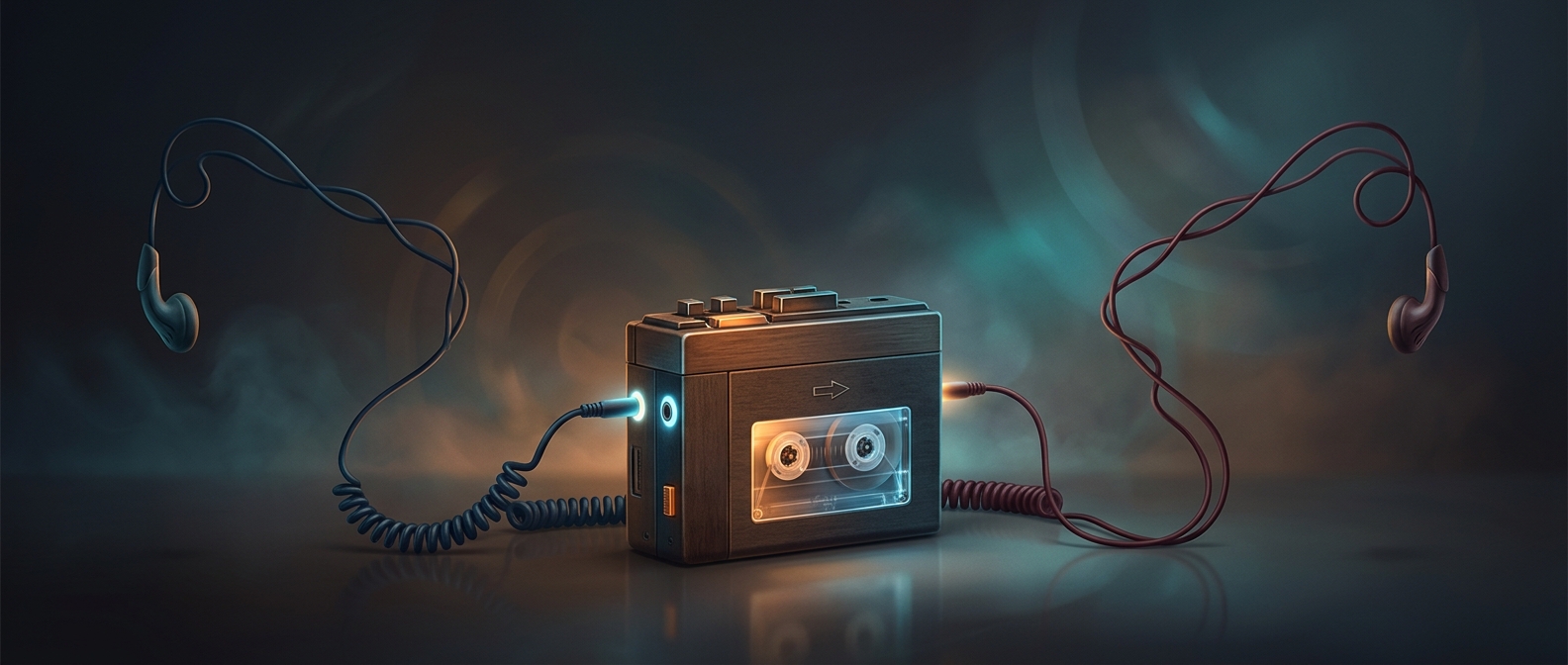
Sony’s first Walkman, the TPS-L2, was designed with a small social compromise built into its controls. It had two headphone jacks, so a companion could listen alongside the wearer, and an orange “hotline” button for when the two wanted to talk.
Pressing the button lowered the music and activated a built-in microphone. Rather than take off the headphones or stop playback, listeners could speak over the quieter soundtrack. The device treated conversation as something to accommodate, not a reason to end the listening session.
A feature for sharing that users didn’t need
The arrangement solved a practical problem, but it also revealed a mismatch between the product’s design and how people wanted to use it. Listeners generally preferred to hear music on their own, and the extra headphone jack and talk function did not become essential parts of the Walkman experience. Sony dropped the hotline feature on later models.
That change helped define the portable music player’s appeal: the headphones were not just a way to hear music, but a way to carry a private listening space into public life. The original Walkman briefly tried to make that space easy to share—and gave listeners a button for stepping back out of it.