The engineering challenge behind a stereo you could wear
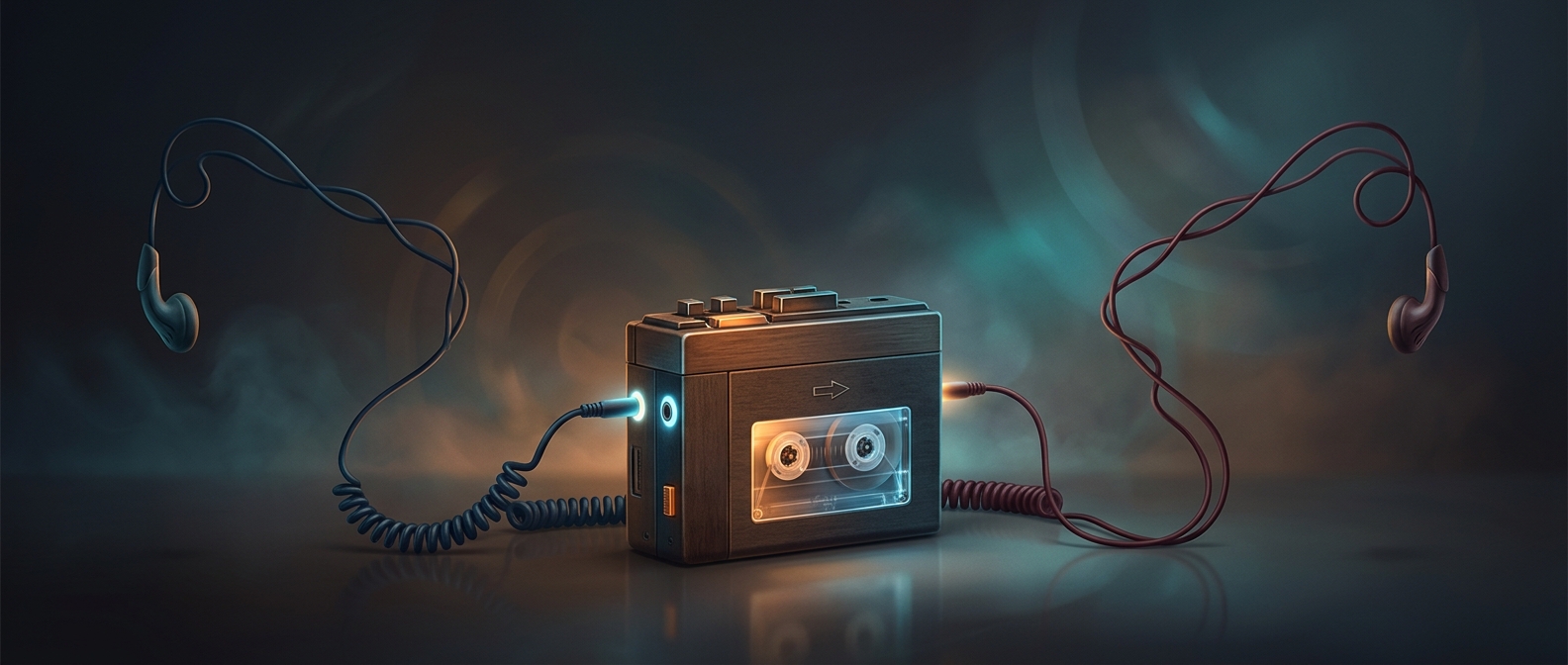
A cassette player has to do more than hold a tape: it must pull the tape past a playback head at a steady speed, turn the recorded signal into sound, and fit the drive and electronics into a portable package. Stereo adds a separate signal for each side of the recording, preserving the left-right differences that create a sense of space. Headphones make that separation personal: the listener can hear both channels without carrying speakers or filling a room with sound.
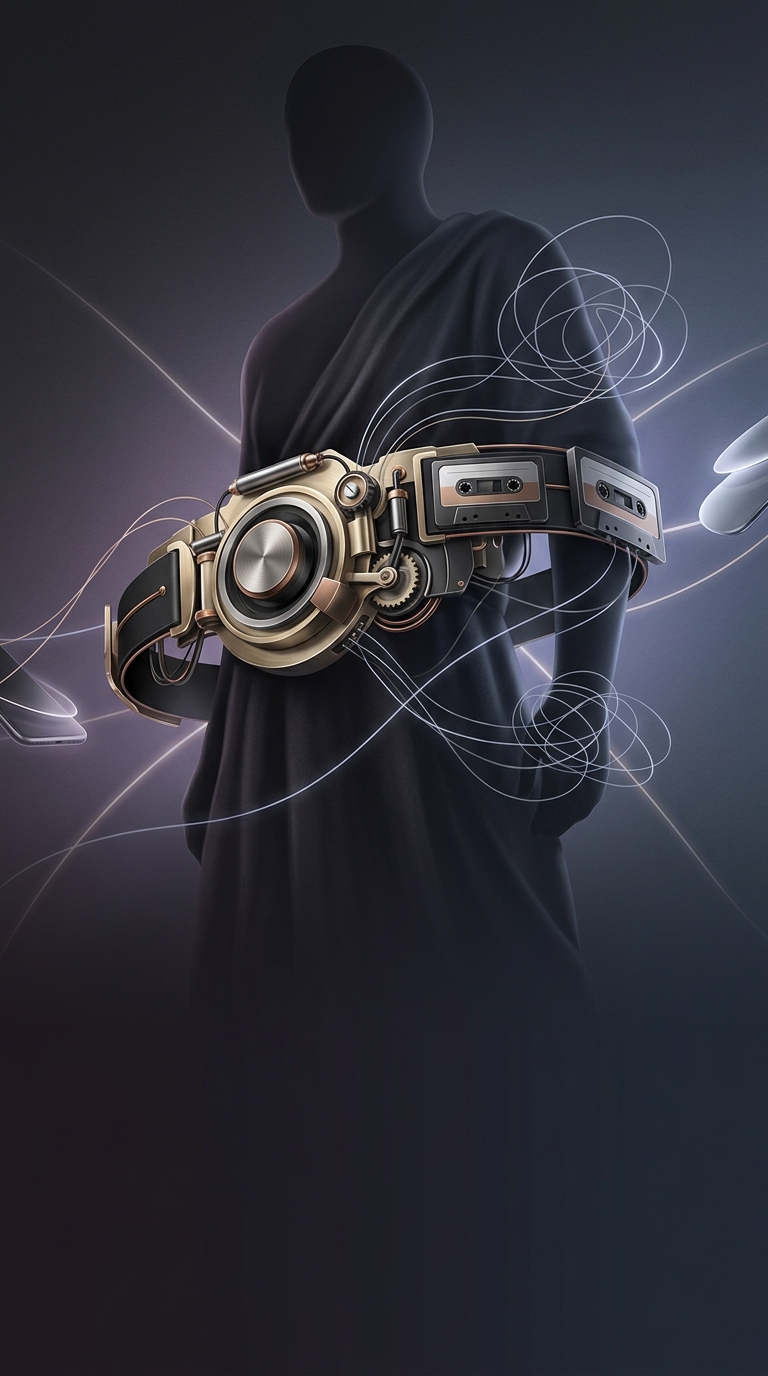
Putting those parts on a belt was more than a styling choice. It let the device travel with its user, while headphones kept listening private. The result was a new kind of everyday use for recorded music—not just playing a cassette somewhere, but taking a stereo soundtrack along while moving around.
Why the patent dispute mattered
A patent protects the particular invention described in its claims; it does not automatically grant ownership of every later product in the same category. That distinction helps explain why a commercial product’s popularity and an earlier inventor’s patent could become subjects of a long legal dispute. The out-of-court settlement resolved the claims without producing a public trial ruling that would spell out every disputed issue.
The episode also shows why invention and market success are different achievements. Pavel’s Stereobelt established an early patented approach to portable stereo listening; Sony’s Walkman brought the idea to millions of buyers. The portable-music revolution depended both on making listening mobile and on turning that possibility into a widely sold device.