A name built around a new kind of listening
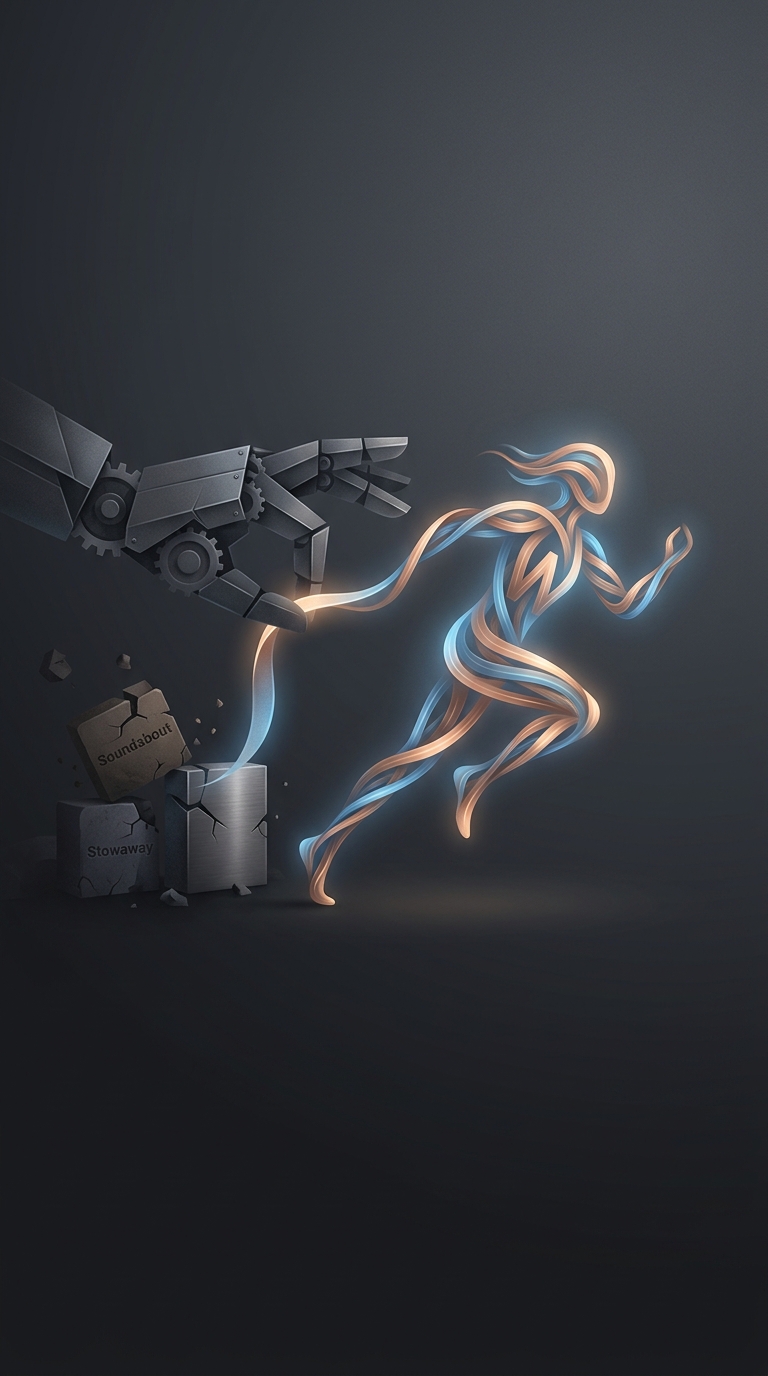
When Sony introduced the Walkman in Japan in 1979, the name sounded awkward to some executives—especially when they imagined saying it in foreign markets. They considered alternatives such as “Soundabout” in the United States and “Stowaway” in the United Kingdom. But the original name was already traveling ahead of the product: tourists encountered it in Japan and carried the word home.
The product made the unusual name make sense
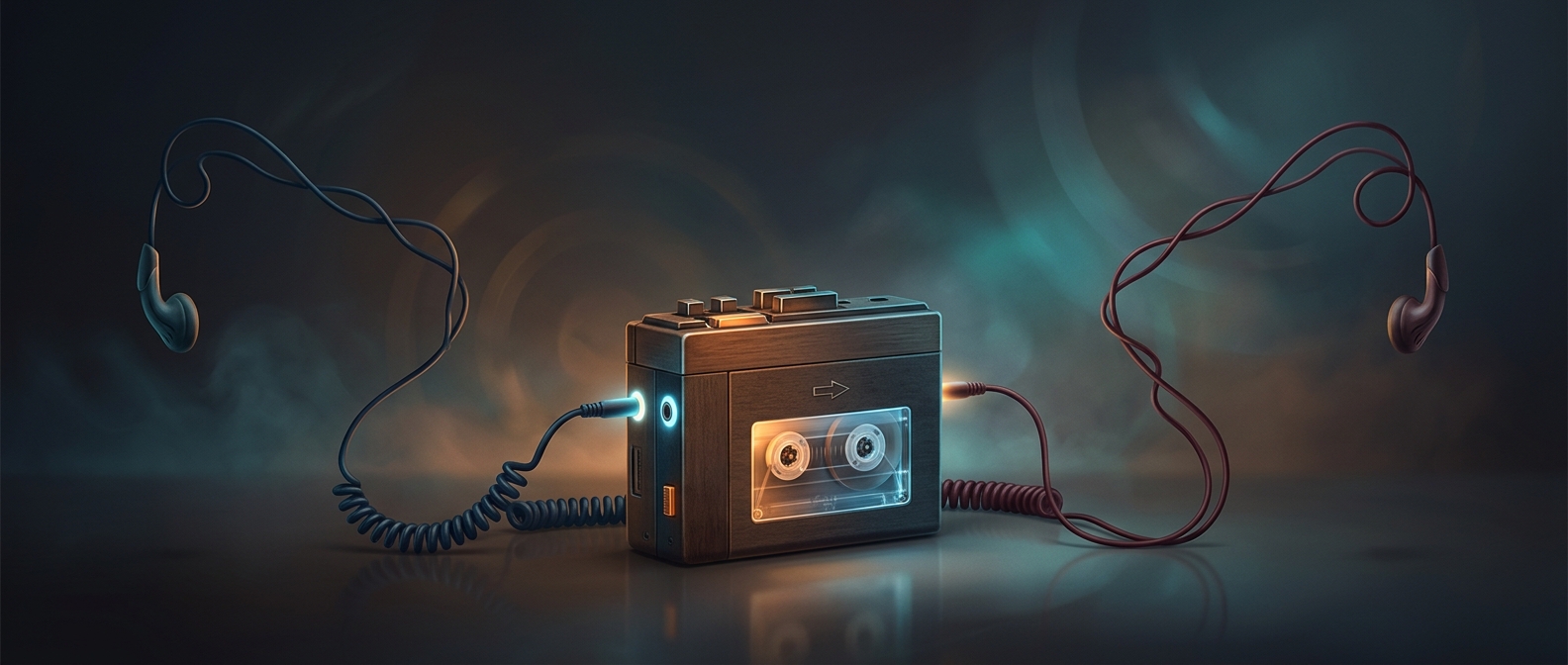
The Walkman was a small cassette player designed for listening through headphones while moving around. That changed the role of recorded music. A cassette player no longer had to be a shared object in a room; one person could take music along on a walk, commute, or trip.
“Walkman” made that use easy to grasp. The word joined “walk” to “man,” describing a person carrying music rather than a machine fixed in place. It was unconventional English, but its directness matched a product that was itself a departure from the usual home stereo.
Familiarity beat the proposed replacements
By the time Sony weighed different names for overseas launches, travelers had already helped establish “Walkman” beyond Japan. Replacing it would mean asking customers to learn a different label for a product they might already recognize. Sony kept the name, and the device helped turn it into an everyday term for portable cassette listening.
The naming dilemma reflected the product’s novelty: Sony had to introduce not just a machine, but a new habit—taking private music along. In the end, the odd name described that habit more clearly than the polished alternatives.