What stimulants can change during a match
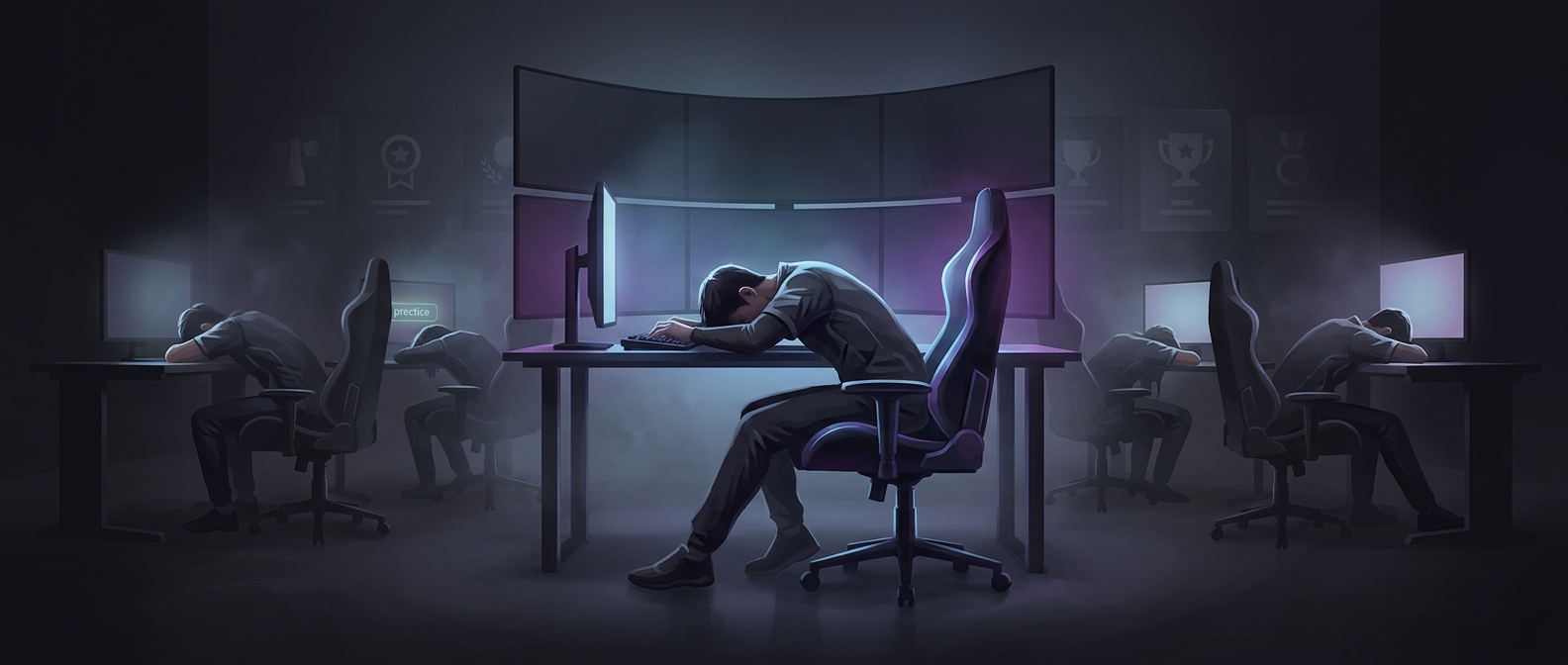
Esports demands more than quick fingers. Players must track moving targets, remember rapidly changing strategies, and make decisions under pressure, often through long sessions with few natural breaks. Stimulant medications can affect alertness and attention, potentially helping someone stay focused or feel less fatigued. That does not guarantee better play: effects vary, and stimulants can also cause unwanted effects such as jitters or disrupted sleep.
The competitive concern is that a substance might give one player an advantage unrelated to skill or practice. It can also make matches feel less fair to opponents who compete without it.
Why a test needs rules around it
A test can flag a substance, but a positive result does not by itself explain why it was taken. Some players may have a legitimate prescription. Leagues therefore need policies that distinguish prohibited use from medically authorized treatment, while protecting players’ private health information. The details depend on the competition’s rules; there is no single testing system that applies to every esports league.
That creates a difficult balance. Rules must be clear enough to discourage performance-driven misuse, but workable for players who need medication. Testing also signals that competitive integrity includes conditions that affect concentration and stamina, not just what happens on screen.
The stakes are measured in decisions
In a close match, the advantage at issue may not be a dramatic burst of speed. It could be staying attentive through one more round or making a sound decision late in a long session. Anti-doping rules try to keep those moments tied to preparation and play—not to an undisclosed chemical edge.