A career built around constant practice
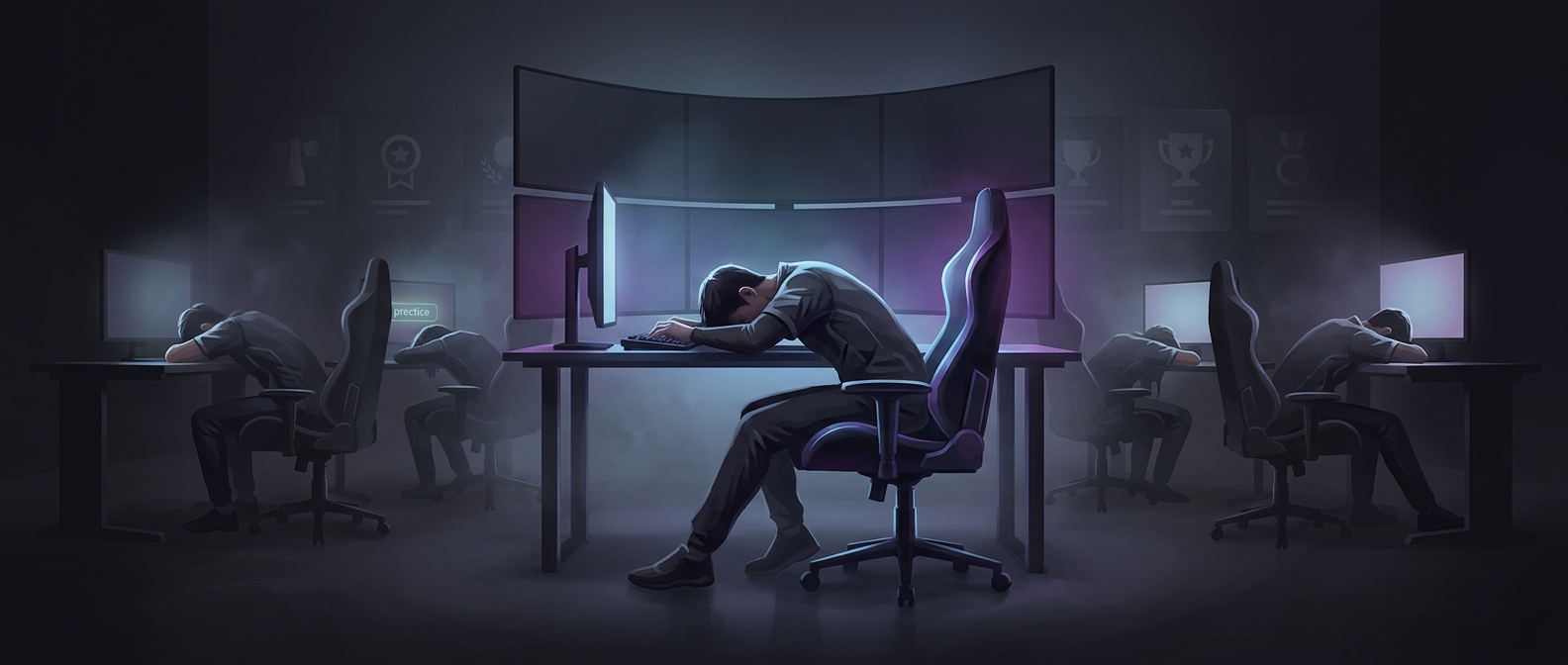
At the top level, competitive gaming is less like playing for fun after school and more like a demanding job whose core task is deliberate practice. Players review match footage, rehearse strategies, coordinate with teammates, and prepare for opponents—often while competing through long tournament seasons. The workload can make it difficult to sustain the same routine year after year, especially when training crowds out sleep, school, relationships, or other interests.
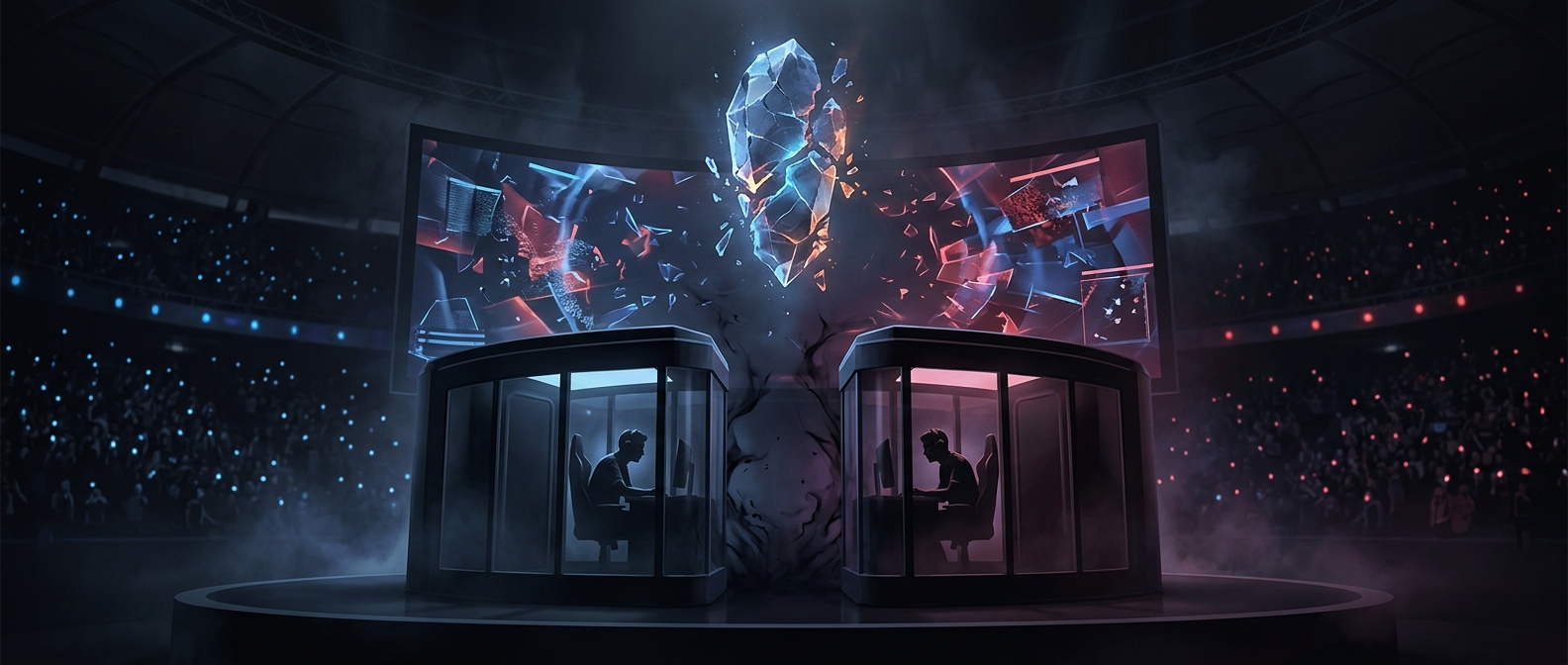
The pressure is also unusually tied to one game. A major update can change which characters, weapons, or strategies are strongest. Teams then have to adapt, and a player who once fit a roster may become a less useful choice. New competitors are constantly trying to earn those spots, so reputation alone does not guarantee a long contract or a place on a starting lineup.
The game—and the job—can change quickly
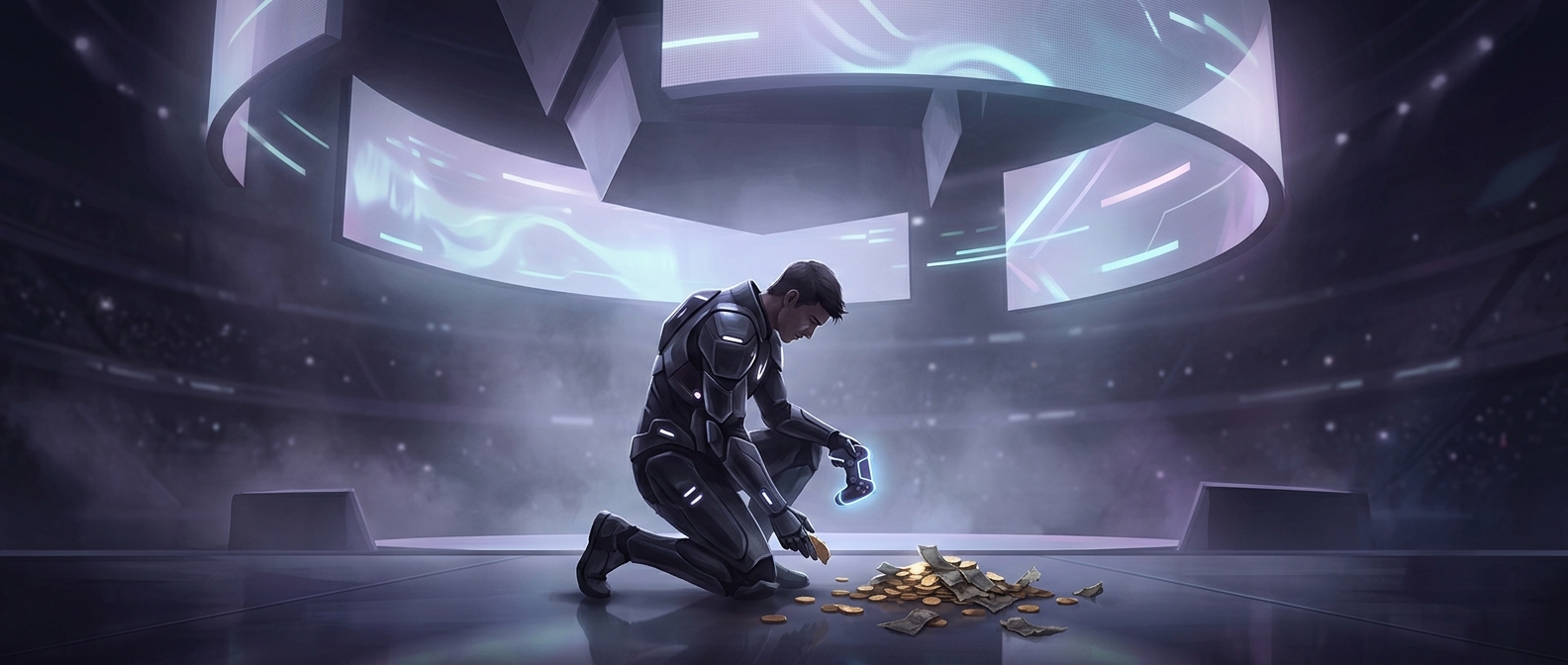
Unlike many traditional sports, esports careers often depend on a specific title’s popularity, tournament structure, and team investment. If a scene shrinks, a league changes, or an organization rebuilds, the available opportunities can narrow even for a skilled player. And because players may begin competing seriously while young, stepping away in their early twenties can mean choosing a different career before they have spent decades in the workforce.
“Retirement” does not always mean leaving esports altogether. Some former competitors move into coaching, streaming, analysis, or other work around games. Others take a break or pursue a new field. The key point is that an early exit can reflect the economics and pace of a young, fast-changing industry—not simply a sudden loss of ability. A player may leave the stage while still having years of useful experience to bring to the game in another role.