When the Season Becomes the Excuse
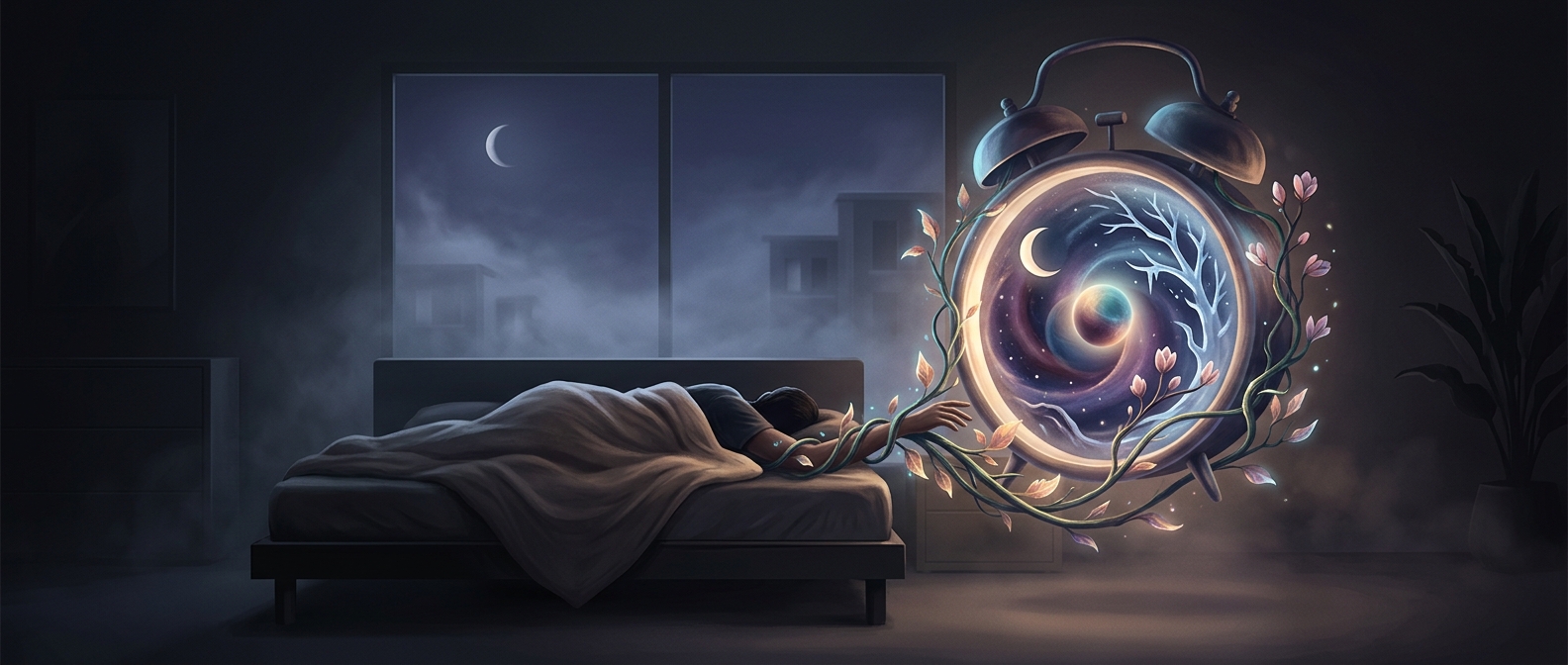
A missed alarm is a small failure with an awkwardly personal cause: someone forgot to set it. Blaming the season changes the story. Instead of describing a lapse in routine, the late riser points to a world that feels slow, dim, or reluctant to begin the day. It turns an individual mistake into a shared mood.
That explanation can feel convincing because seasons do change the conditions of waking. In darker months, morning light may arrive later, and light helps regulate the body’s internal clock—the roughly 24-hour timing system that influences sleep and alertness. A dark room can make getting up feel harder. But those effects do not set an alarm or explain why it was never switched on.
A Mood, Not a Mechanism
The seasonal blame works best as a bit of self-protective storytelling. It softens responsibility without requiring a complicated excuse: the atmosphere itself seems to have slowed everyone down. The claim may be playful, sincere, or both, but its appeal lies in how readily a private slip can be made to sound like a condition of the whole day.
The practical consequence is easy to miss: a season can make waking feel different, but the alarm still depends on a person remembering to set it.