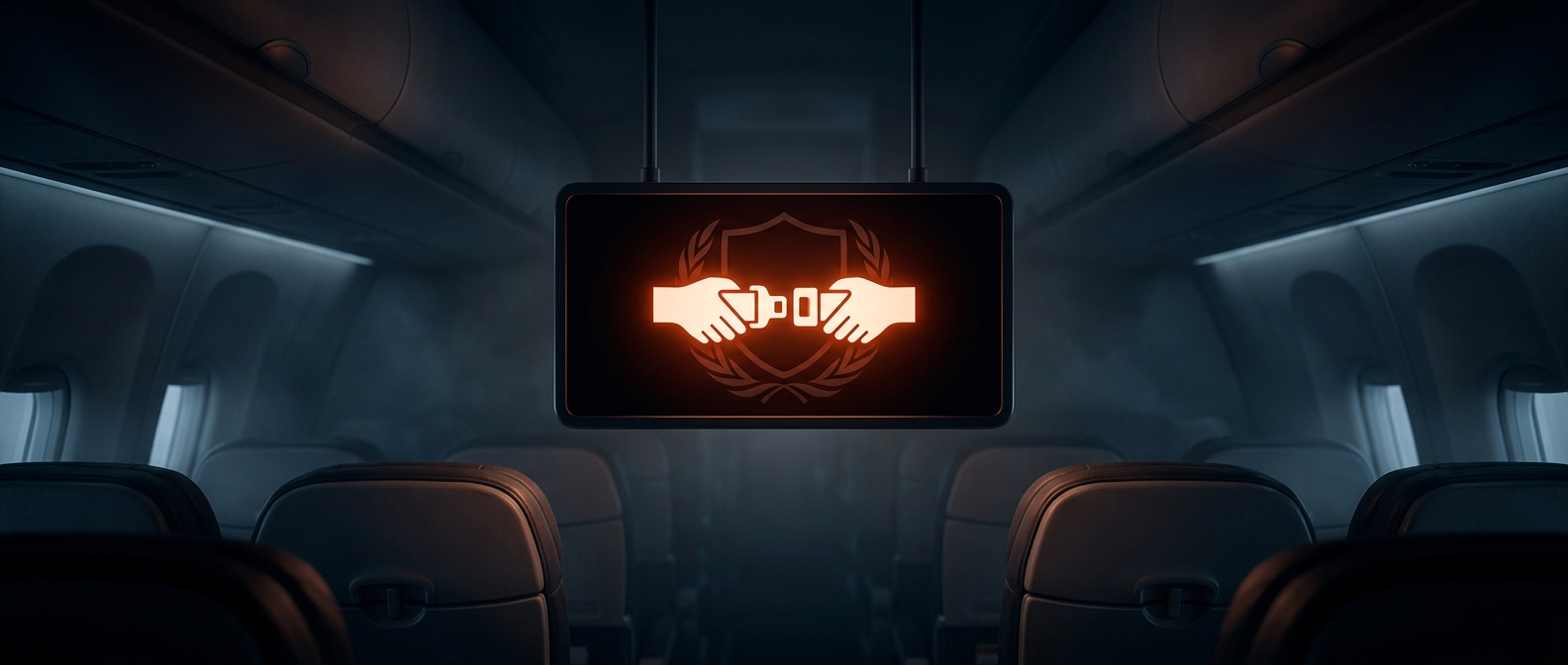
How the car knows a seat needs attention
A seat-belt reminder works by comparing two simple signals: whether a seat appears occupied and whether its belt is fastened. A sensor in or beneath the seat can detect weight, while a switch in the buckle changes state when the belt tongue clicks into place. If the system detects an occupied seat without a latched belt, it can turn on a warning light or sound a chime.
The comparison matters because a buckle switch alone cannot tell whether anyone is sitting there. And an occupied-seat signal alone cannot tell whether the person is buckled. Together, they let the car target the reminder to a seat rather than simply warning everyone whenever the engine starts. The exact arrangement and behavior vary by vehicle.
A small warning with a practical constraint
The system has to distinguish a passenger from something placed on a seat. Otherwise, a heavy bag could trigger a persistent alert. Seat sensors and the car’s programmed thresholds help make that distinction, though no reminder system can perfectly interpret every situation. That is why the light and chime are prompts, not proof that every occupant is safely restrained.
The design turns a fleeting, easy-to-miss action into a signal that stays visible or audible while the condition remains. Its useful detail is also its limitation: the car can detect clues about occupancy and buckling, but the person in the seat still has to fasten the belt.