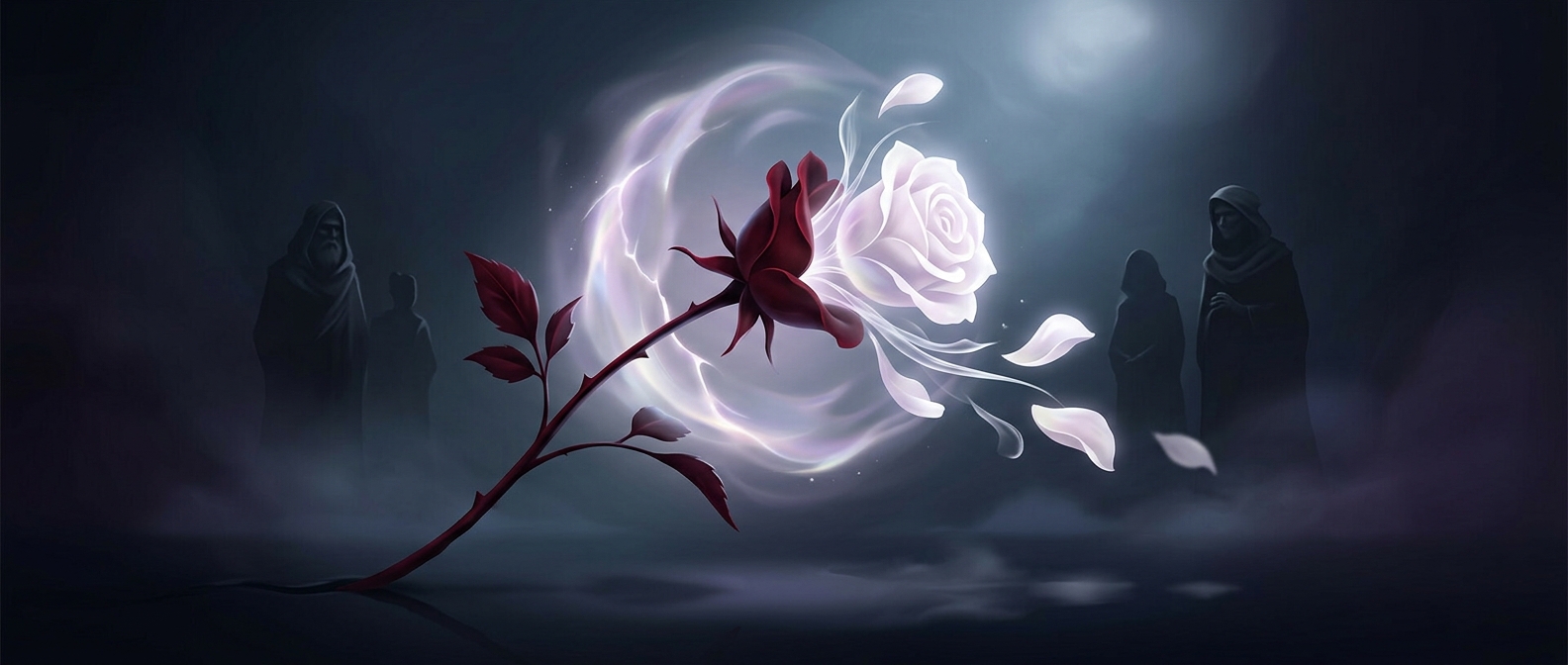
When Knowledge Becomes a Veil
In his 10th-century mystical writings, Niffari presents a paradox: learning can bring a person closer to understanding, yet it can also stand between the learner and what is real. His point is not simply that books are useless. It is that knowing about something is different from encountering it directly.
A concept can describe an experience, classify it, or explain its causes. But the description is still not the experience itself. For Niffari, intellectual knowledge becomes a veil when someone mistakes those explanations for complete access to reality—or relies on mastery of ideas instead of remaining open to what exceeds them.
Reason Has a Limit, Not No Value
The divine messages in Niffari’s writings give this tension a spiritual form. They portray understanding as something received through encounter, not secured by accumulating arguments or information. In that framework, reason can prepare a person to recognize meaning, but it cannot command or contain the ultimate reality being sought.
That distinction helps explain why mystical writing can sound both learned and suspicious of learning. Niffari uses words to point toward a kind of understanding that words alone cannot deliver. The reader is asked not merely to collect teachings, but to notice when attachment to explanations becomes a substitute for attention.
The practical consequence is a change in what counts as wisdom: it is not only having the right account of reality, but recognizing the limits of one’s account. The book may guide the seeker; treating the book as the destination is the veil.