How a Waterphone Turns Bowing Into a Wail
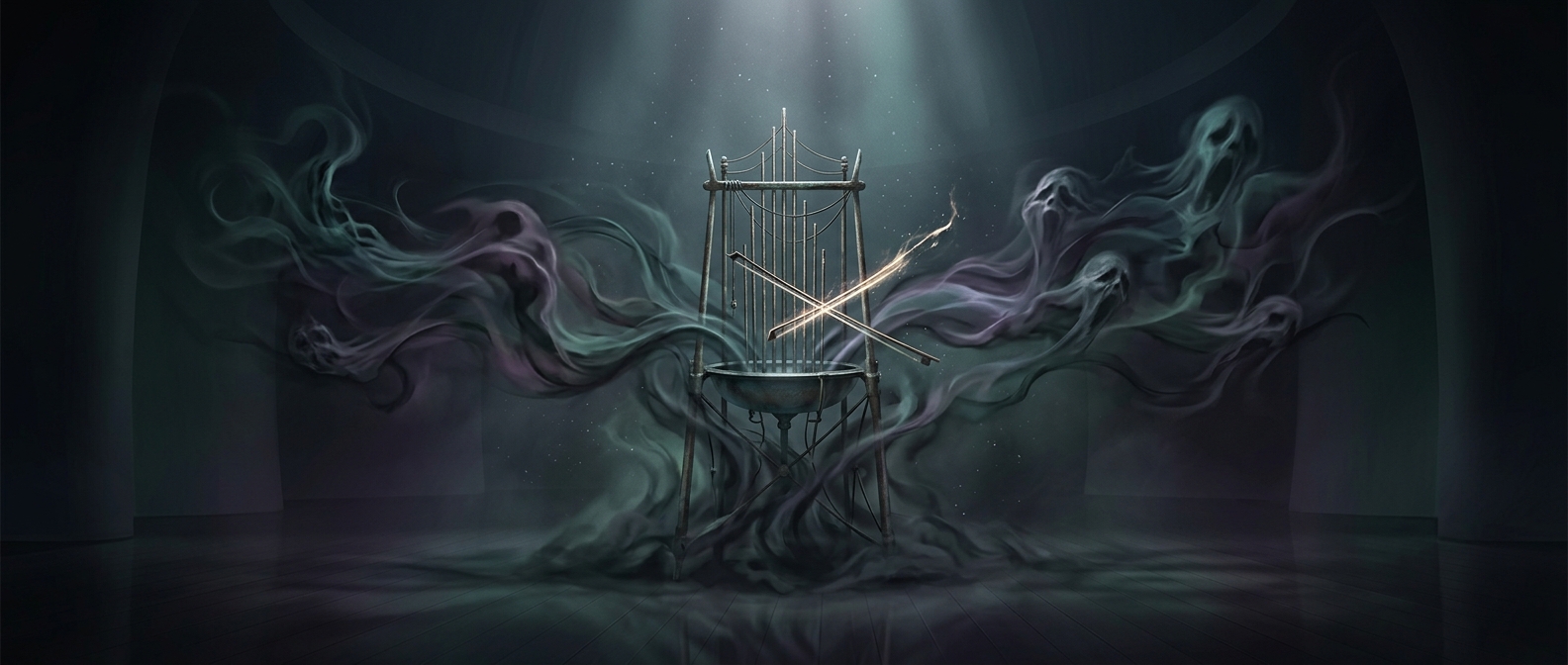
A waterphone starts with a metal bowl partly filled with water and a ring of brass rods of different lengths. The player draws a violin bow across the rods. Friction sets a rod vibrating, and that vibration passes into the bowl, which amplifies and colors the sound. The water shifts the bowl’s resonances—the frequencies it naturally favors—so the result is less like a clean musical note and more like a wavering, metallic voice.
The Sound Is Designed to Stay Unsettled
Because the rods differ in length, they produce different pitches. A player can bow one rod or move among several, making the pitches slide, clash, or overlap. Tilting the instrument sends the water moving inside the bowl, changing how the bowl vibrates as the sound continues. That interaction helps create the waterphone’s elusive quality: its tone seems to bend and drift rather than settle into a familiar melody.
The instrument is therefore not simply making noise by sloshing water. The bowed rods provide the vibration; the bowl and moving water shape it. The player can also strike the rods or bowl for sharper attacks, shifting the effect from a sustained moan to a sudden metallic impact.
Why It Works in Horror Scores
A conventional instrument tends to give listeners a recognizable pitch or rhythm to follow. The waterphone can suggest both a voice and an instrument without sounding quite like either. Its unstable, overlapping tones make it useful when a film needs unease without a clear musical tune—an eerie sound that seems to come from somewhere just outside the scene.