Why fear can look like guilt
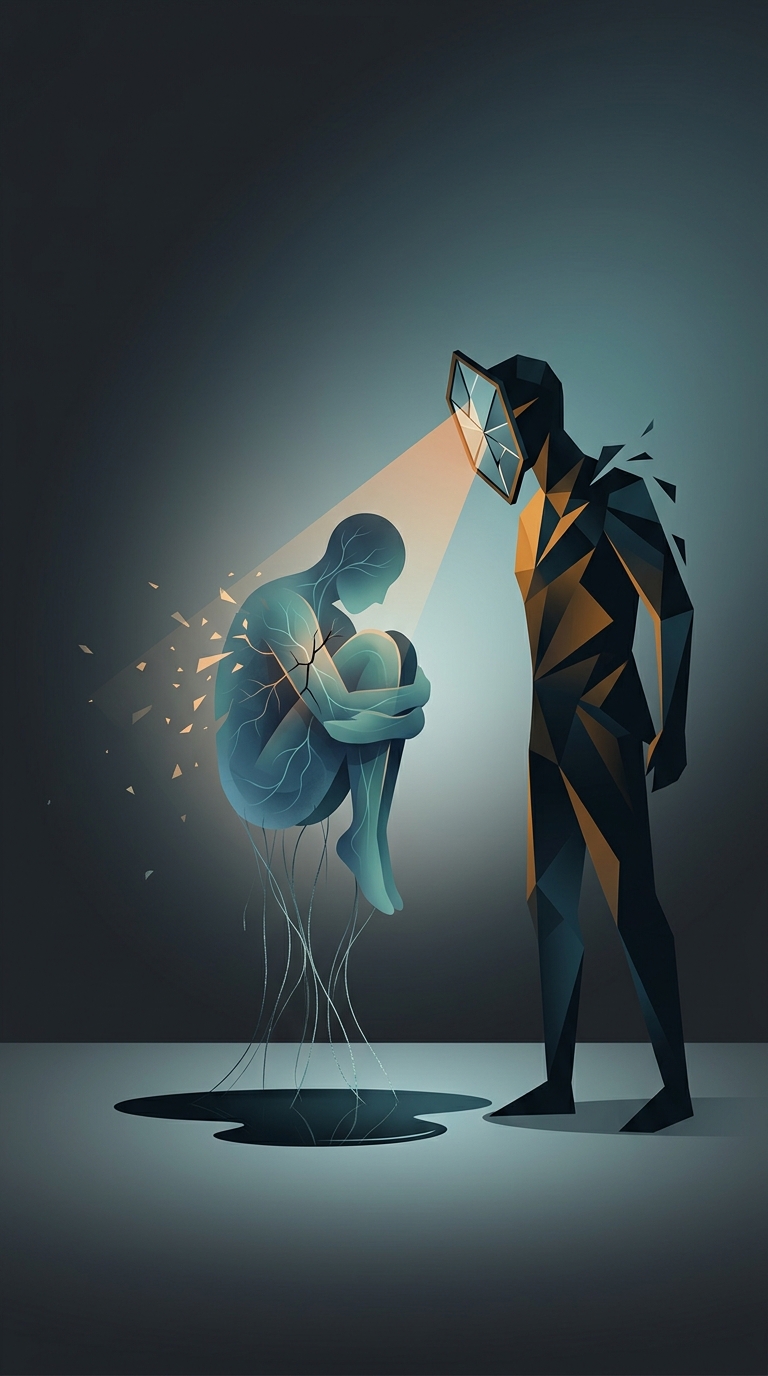
The Othello error is a mistake in reading emotion: an observer sees signs of distress and assumes they come from deception, when they may instead come from fear of not being believed. The name refers to Shakespeare’s Othello, who interprets Desdemona’s distress as evidence against her rather than considering that she is frightened by his suspicion.
The difficulty is that visible behavior rarely has a single cause. A pause may reflect a person searching for words; a shaky voice may reflect stress. Neither reveals, by itself, whether someone is telling the truth. But when an observer is already looking for a lie, ambiguous signs can seem to fit that expectation.
How suspicion creates its own evidence
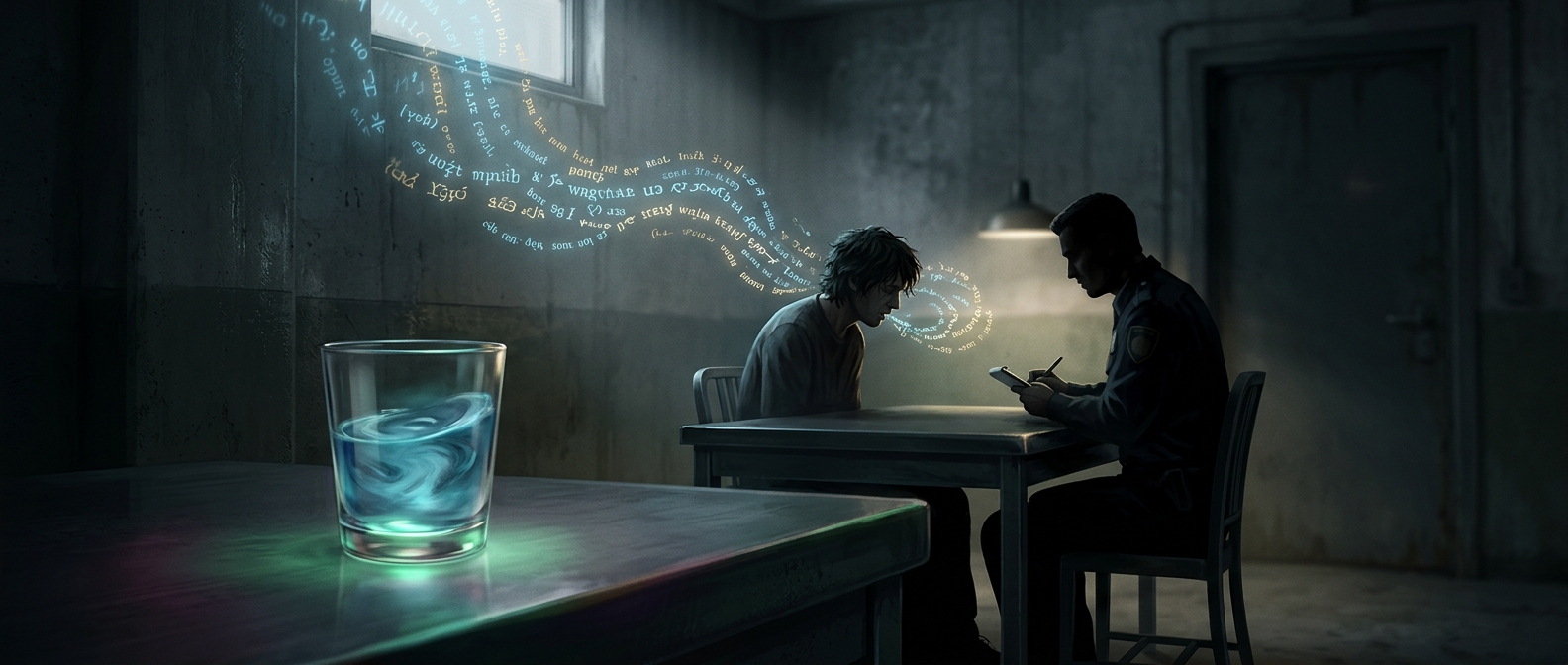
An accusation changes the conditions of the conversation. A truthful person who feels cornered may monitor every word, worry that ordinary hesitation will be misread, and become less fluent. The observer may then treat that strained delivery as confirmation of the original suspicion.
This creates a feedback loop: suspicion raises pressure, pressure changes behavior, and the changed behavior appears to validate suspicion. The reaction is real, but the observer has mistaken its cause. In this way, a search for deception can make a person look less natural precisely because they are trying so hard to be understood.
What the reaction can—and cannot—show
Distress can tell an observer that a conversation is stressful; it cannot, on its own, establish why. A more careful judgment separates what was observed from what it might mean, and looks for evidence beyond a person’s emotional display. That distinction matters most when the stakes are high: treating anxiety as proof can turn the pressure of an accusation into the apparent evidence for it.