Who Decides Which Emojis Become Standard?
A new emoji does not usually begin as a design request sent to Apple, Google, or another phone maker. It starts as a proposal to the Unicode Consortium, the organization that maintains the character standard used by computers and phones. Unicode assigns each accepted emoji a code point—a shared identifier—so devices can recognize the same character even when they draw it differently.
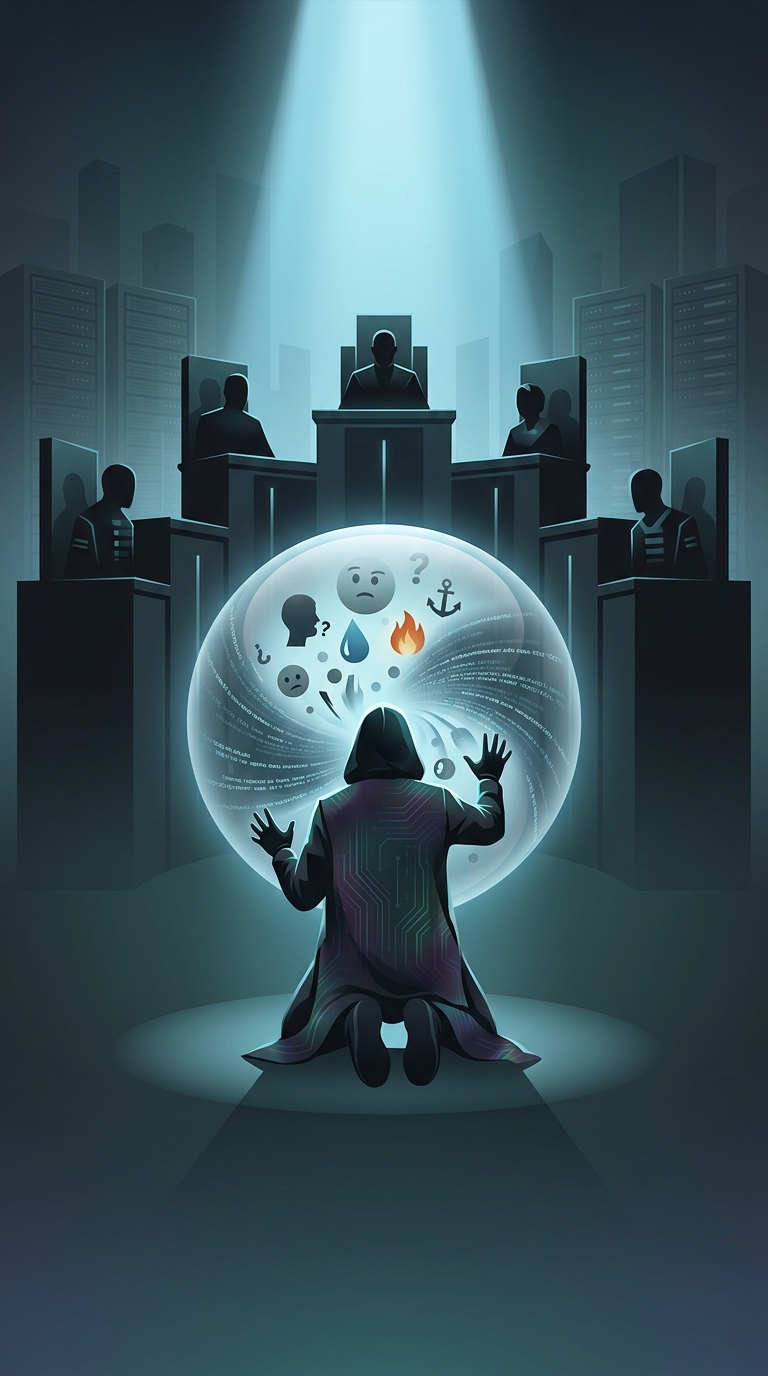
The consortium includes major technology companies, but its decisions involve a standards process, not a vote by phone makers alone. Proposals are reviewed by Unicode’s technical committees, which assess whether an idea is likely to be useful and distinct enough to warrant a place on the keyboard.
A Proposal Has to Make the Case
Anyone can submit an emoji proposal, but it needs more than a clever sketch. Reviewers look for evidence that people are likely to use the symbol, that it can be understood at small sizes, and that it represents something not already covered by existing emoji. A proposal also needs to explain its likely uses and show that the symbol can be depicted clearly.
That creates a practical constraint: the standard is not meant to be a catalog of every object or variation people might want. A symbol that is too narrow, hard to distinguish, or easily represented by existing emoji may have a weaker case. The process favors characters with broad potential uses and a clear visual identity.
Standard First, Artwork Later
Acceptance does not dictate exactly how an emoji looks. Unicode defines the character and its meaning; companies such as Apple, Google, and Microsoft create their own artwork for their keyboards. That is why the same emoji can look different across devices, even though it carries the same underlying code point.
The distinction also explains why an approved emoji may not appear everywhere at once: operating-system and app makers still have to add artwork and support for it. The standard creates a shared symbol; each platform decides how to draw it and when to deliver it.