A prompt can survive after a level changes
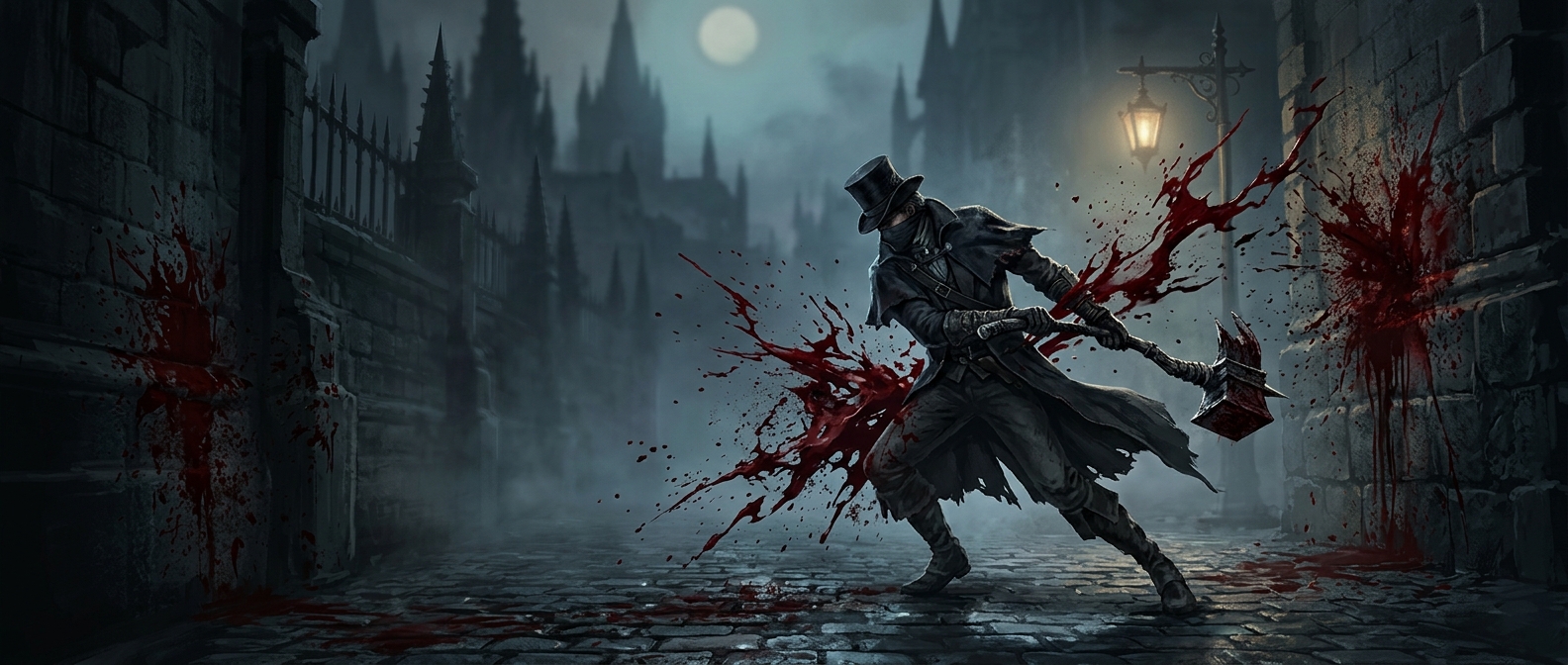
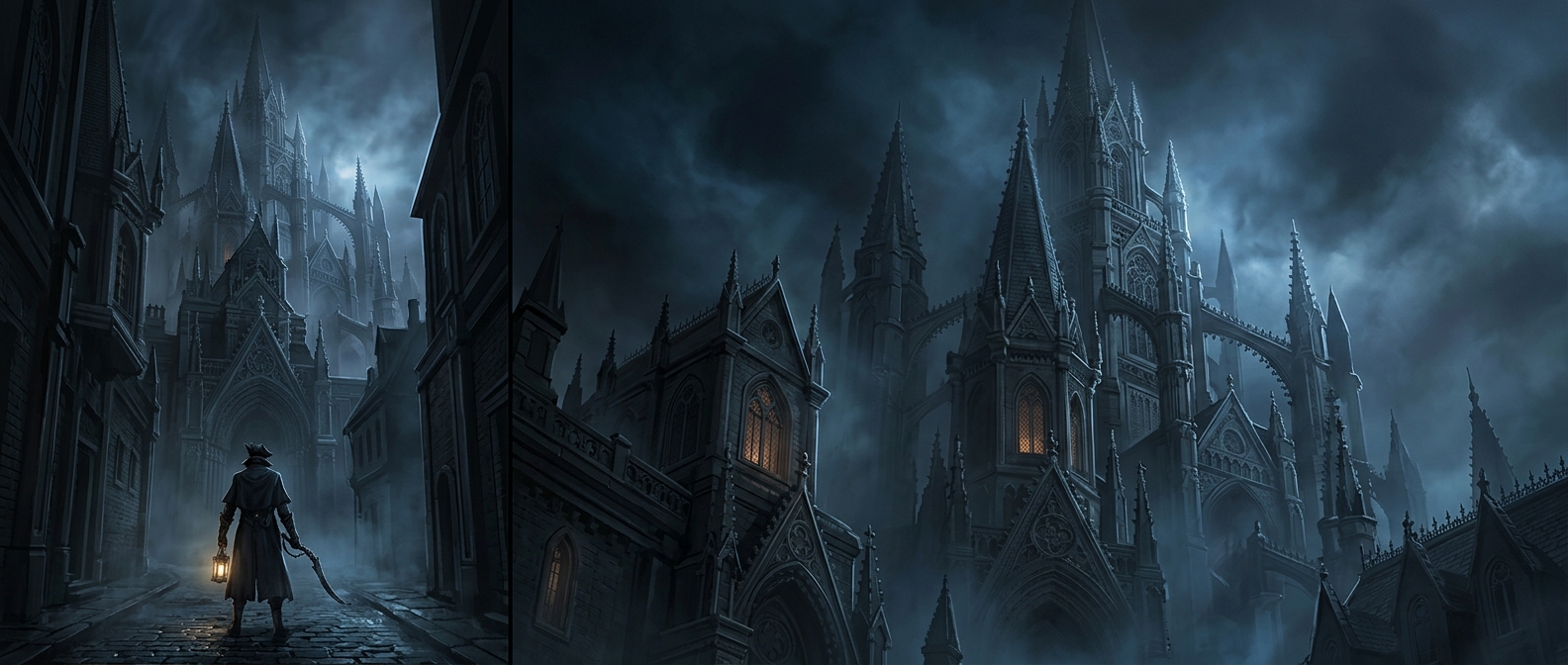
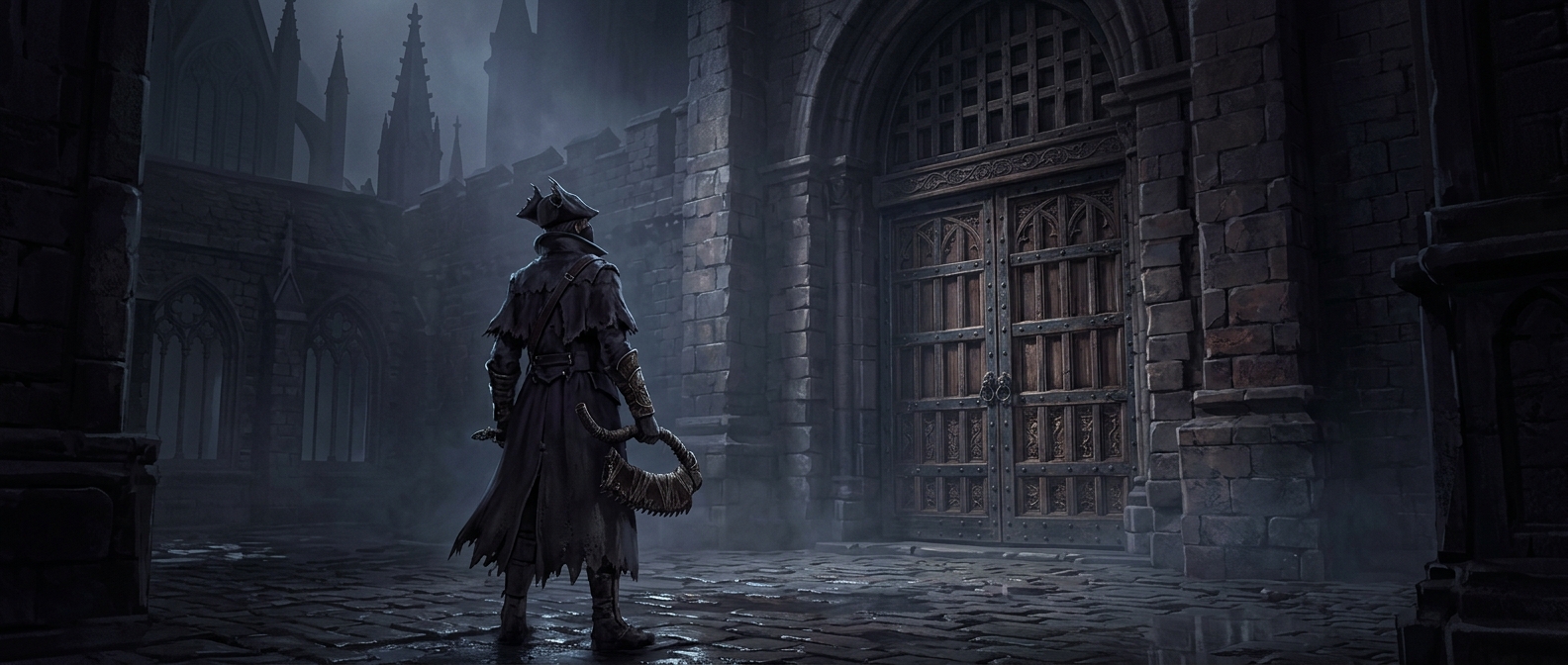
In Bloodborne, one gate still invites the player to try opening it, even though the mechanism behind that interaction no longer works. The mismatch is a small remnant of development: the game’s layout changed late in production, but the gate’s prompt remained.
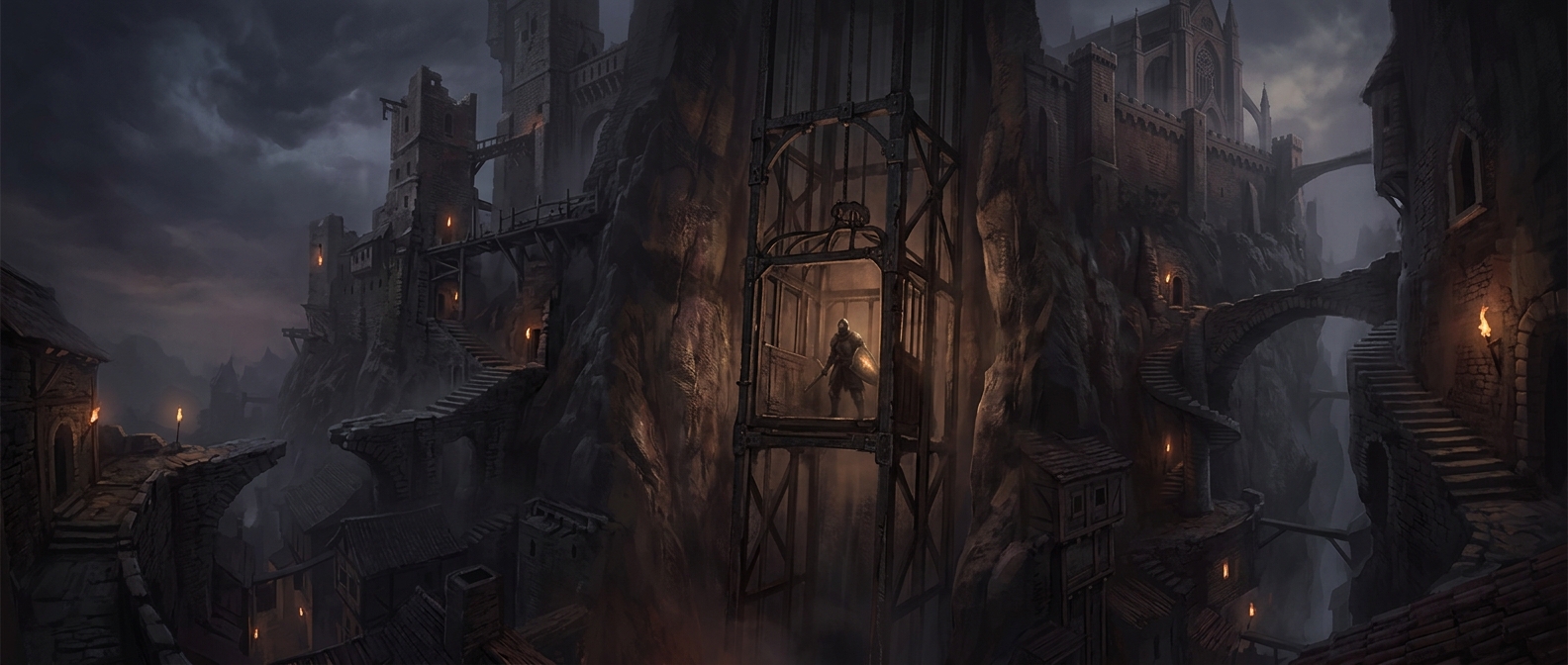
A door in a game is more than a picture and an animation. It can have an interaction zone that detects the player, a prompt that appears nearby, and logic that tells the game what to do when the player presses a button. Those parts can be adjusted separately. If a layout revision makes the intended route unusable or unnecessary, removing the prompt or disabling the interaction may require a separate cleanup pass.
A tiny trace of iteration
The result feels like a deliberate tease: the gate asks to be opened, then refuses. But the more revealing explanation is practical. The prompt records an earlier version of the level’s design, while the final layout no longer supports the action it advertises.
That is why the detail is memorable. Players usually encounter a finished world as if every obstacle were planned; this gate briefly exposes the seams, preserving a piece of the game’s changing design in a single unfulfilled button press.