A game built around partnership
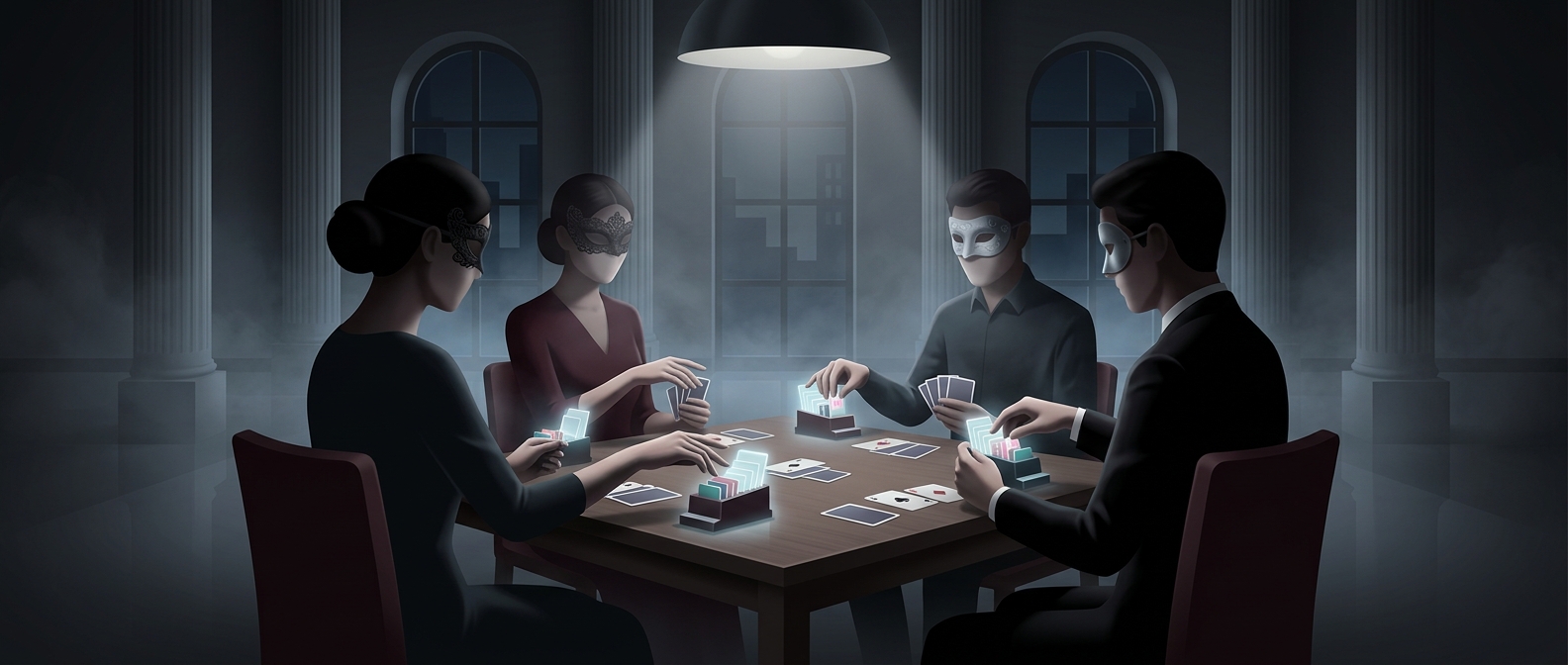
Spades gives four players a shared problem: two teammates must estimate how many tricks they can win, then try to meet that estimate. A trick is one round in which each player contributes a card; the highest card in the suit led usually takes it. Spades are the trump suit, so a spade can beat cards from the other suits.
Before play, each player bids a number of tricks. The partnership’s bids set its target, making every hand a mix of calculation and teamwork: a player has to judge not only their own cards, but what their partner may be able to do.
Why it traveled well
The game needs little equipment beyond a standard deck, and a hand gives a small group something structured to do together. Its rules create room for judgment without requiring a board, a long setup, or specialized pieces—practical qualities when people are moving between places and playing in spare moments.
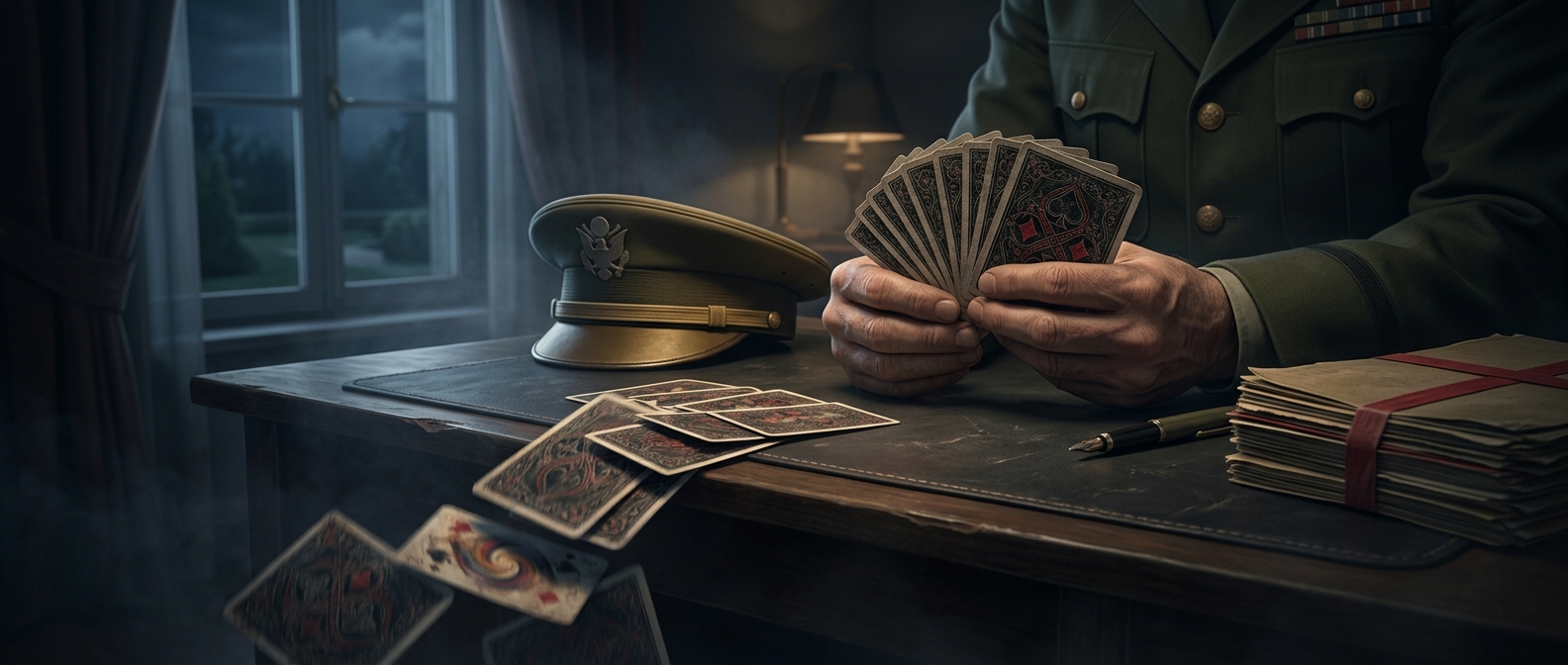
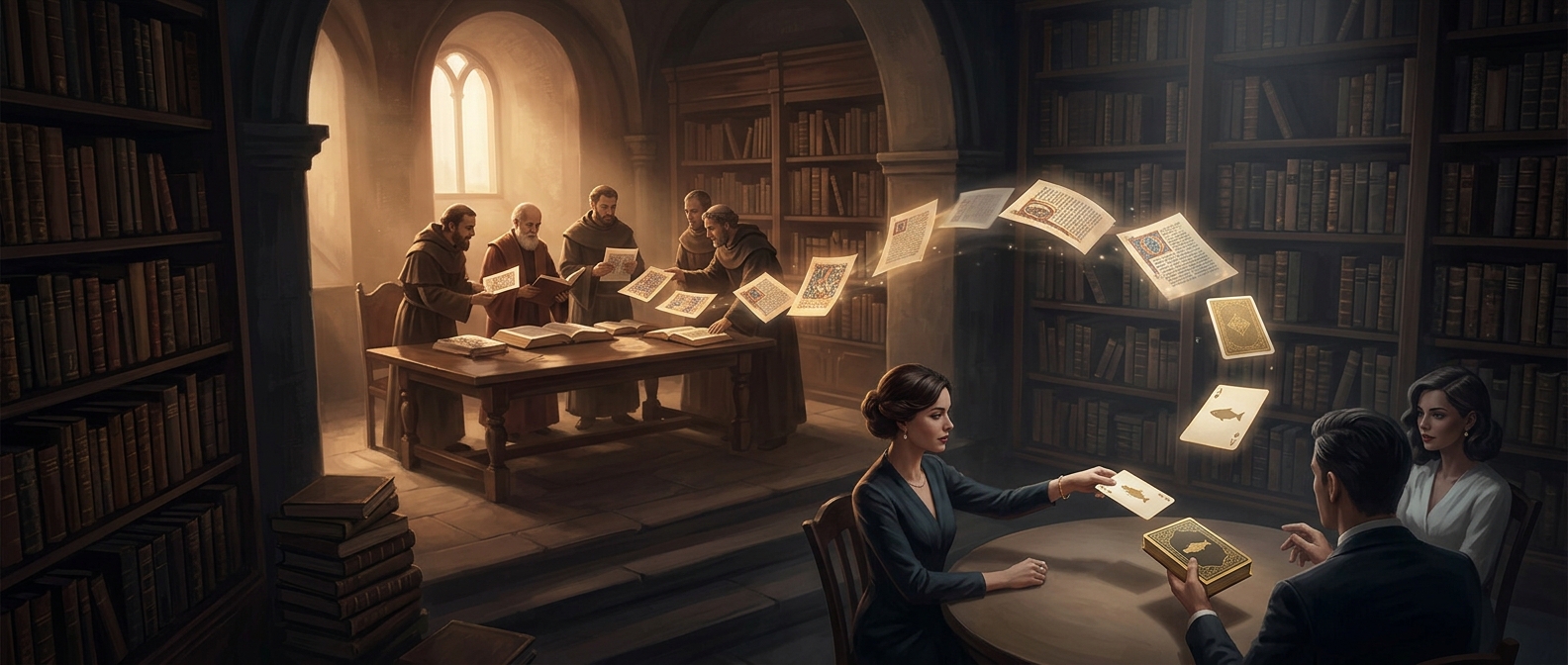
During World War II, troops carried decks overseas and played games such as Spades away from home. That gave the game a way to spread through face-to-face play: someone who learned it in one group could teach it to another. Players returning home could carry the game with them, helping turn a pastime shared among troops into one familiar to a much wider public. The deck was portable; the game spread through the people who played it.