A date that helps a bottle move through the supply chain
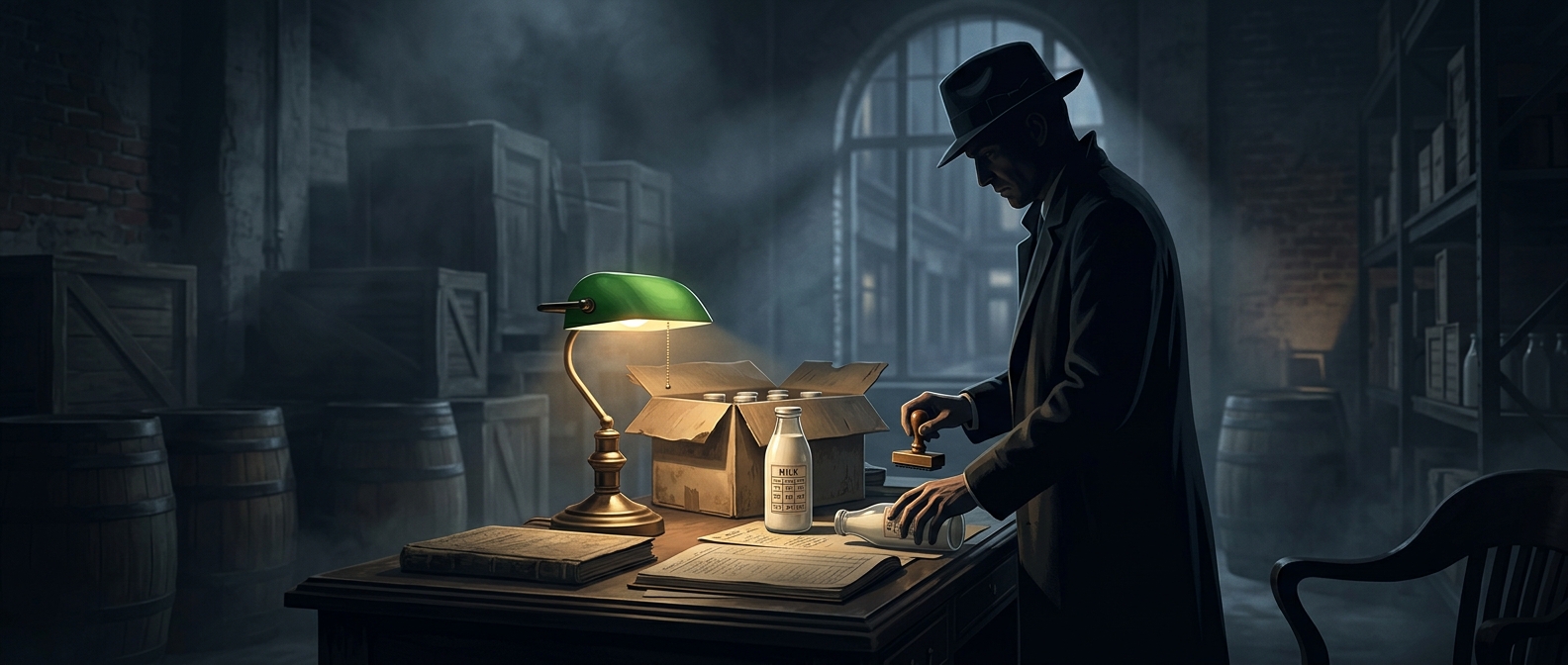
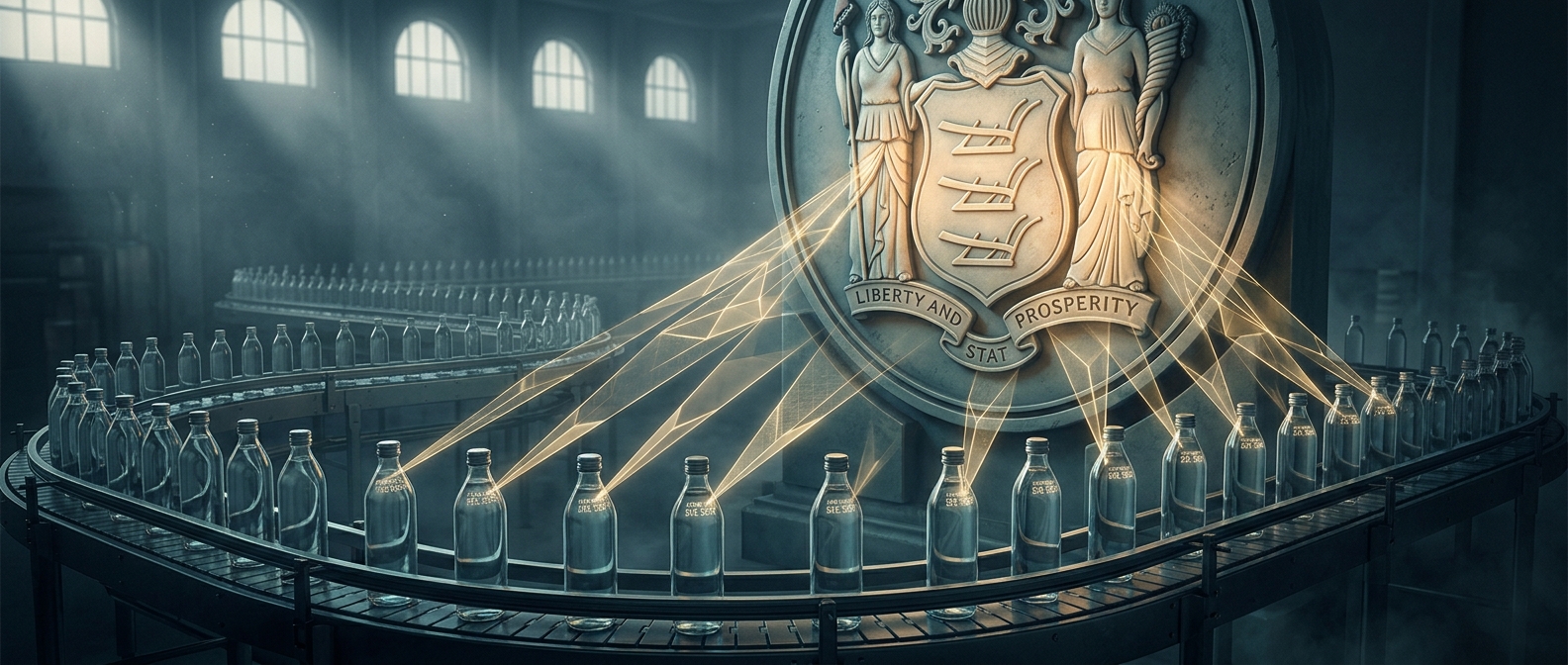
A date on bottled water can look like a warning about what is happening inside the bottle. In this case, its more practical role was to make the product easier to handle alongside foods that do have limited shelf lives. New Jersey’s 1987 packaging requirement created a reason for bottlers to put dates on water labels, too.
Why a nonperishable product still gets a date
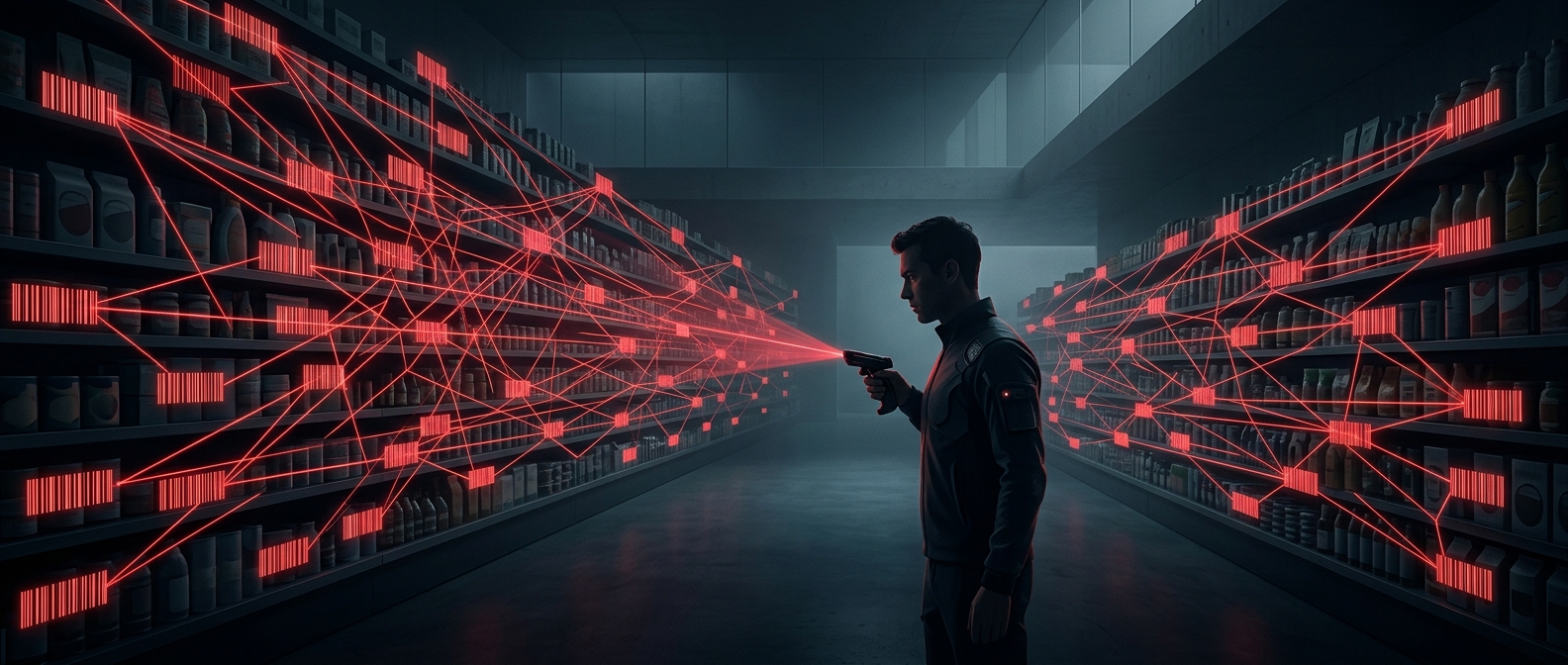
Stores and distributors manage large inventories using routine systems for receiving, shelving, and rotating stock. A date gives staff a consistent label to read and sort, even when the item does not spoil in the way fresh food does. For a bottler selling into multiple markets, using one dated label can also be simpler than maintaining separate packaging for different distribution requirements.
That makes the date a logistics tool rather than a countdown clock for the water. It fits bottled water into the same tracking habits used across a grocery warehouse: identify stock, organize it, and move it through the system in a predictable order.
The useful distinction is between the water and the package carrying it. The date described here was not evidence that the water suddenly becomes unsafe or unusable on that day. It shows how a rule aimed at food packaging could shape the labeling of a product whose contents were not the reason for the date.