How a seat becomes an upgrade prompt
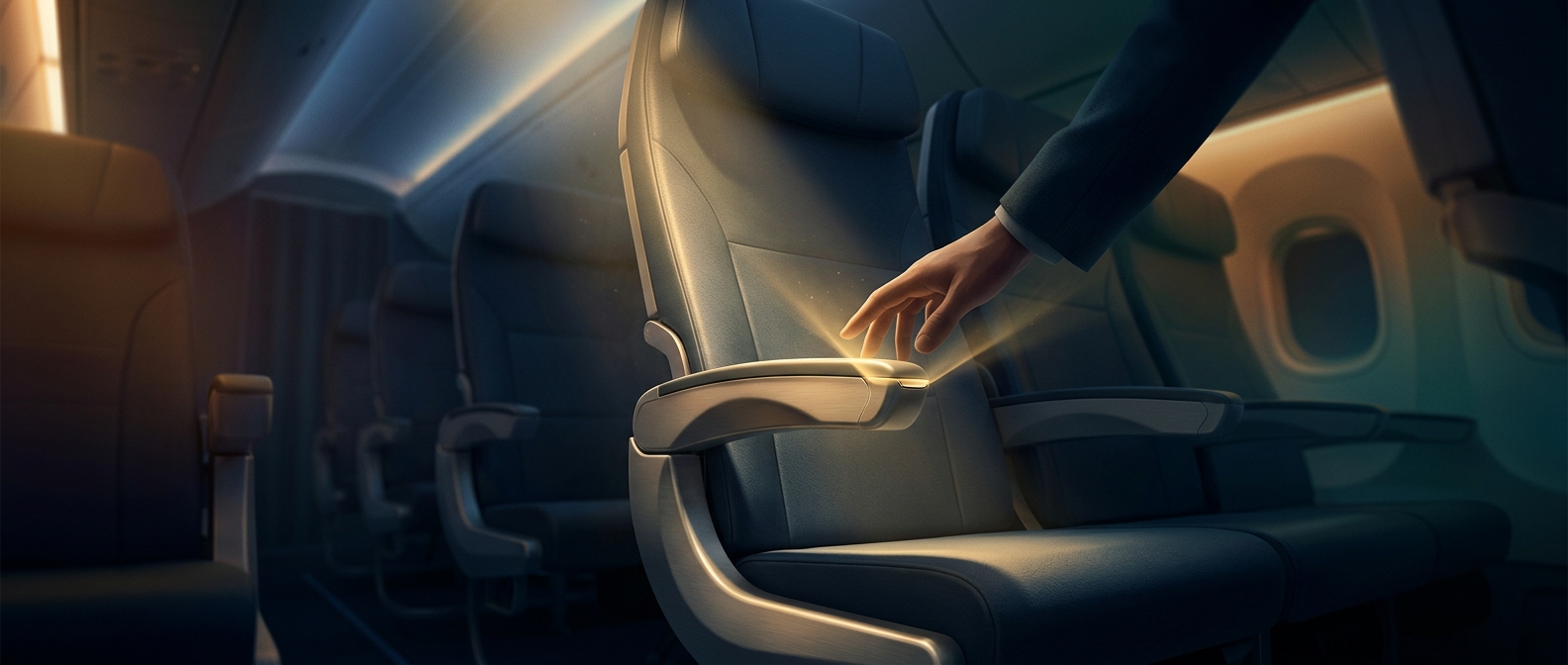
An airline sells more than a place on the plane: it also sells control over where you sit. On many basic-economy fares, choosing a seat in advance is restricted or costs extra. If you skip that purchase, the airline assigns a seat later, often after passengers who paid for selection have chosen theirs.
That sequence matters. Window and aisle seats, rows with extra legroom, and seats near the front may be claimed first. The remaining options can include middle seats or less convenient spots. The airline has not necessarily reserved a particular bad seat for you; it has made certainty about seat location a product that costs extra.
Why uncertainty can be profitable
Seat selection lets airlines collect additional revenue from travelers who care enough about location to pay. It also gives passengers a choice: accept whatever assignment becomes available, pay to select a seat, or—where offered—purchase a fare that includes more flexibility. The lower headline price can therefore come with a practical tradeoff: less control and a greater chance of an uncomfortable seat.
This is a form of ancillary revenue—money earned from services sold alongside the basic ticket. The seat itself is not changing, but the timing of the choice changes its value. Once a traveler has booked, and sees only a middle seat or an inconvenient location available, paying to improve the assignment may feel more attractive than it did during the initial purchase.
The constraint behind the sales pitch
Airlines still have to place every passenger somewhere, and seat assignments depend on the aircraft, the bookings, and operational needs. So an unselected seat is not a guaranteed punishment, and the remaining choices can vary from flight to flight. The commercial advantage lies in selling choice before assignment: the less certainty a basic fare includes, the more valuable certainty can seem later.