Ajna as the point of inner direction
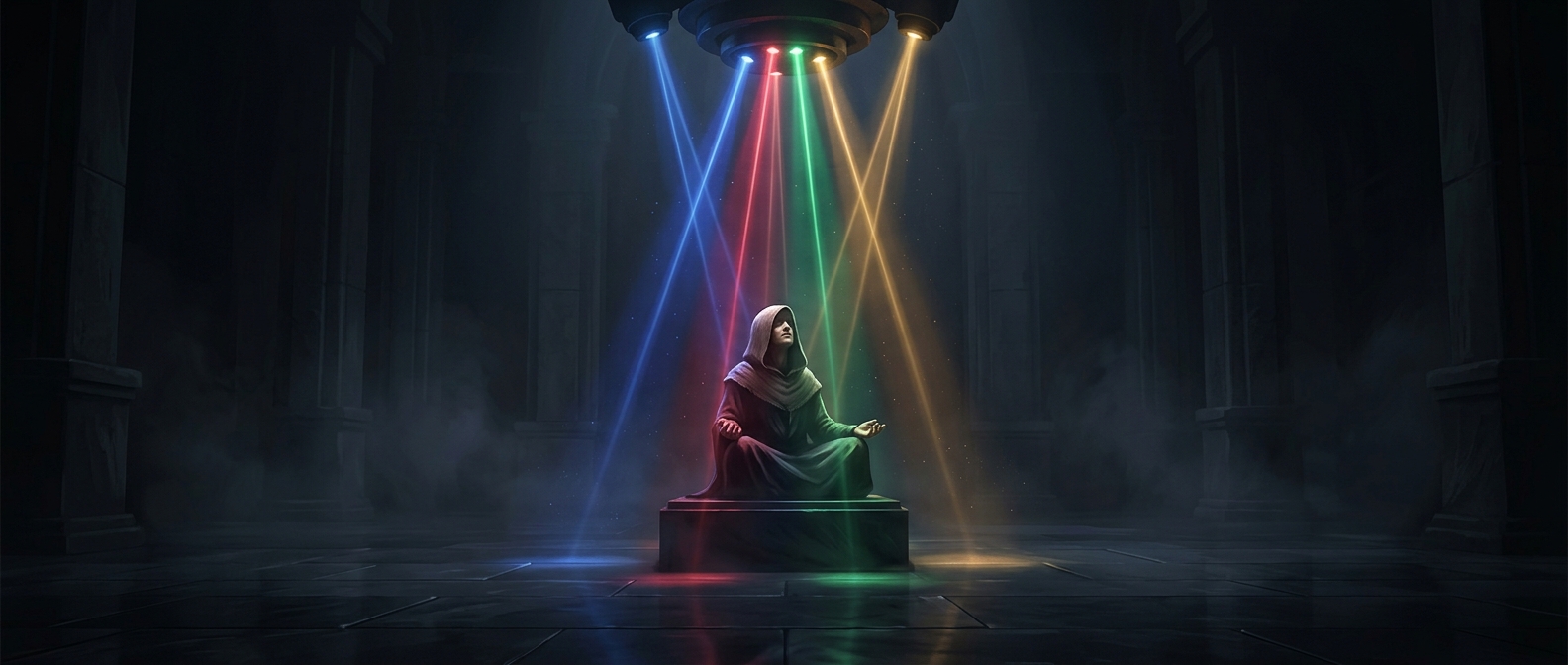
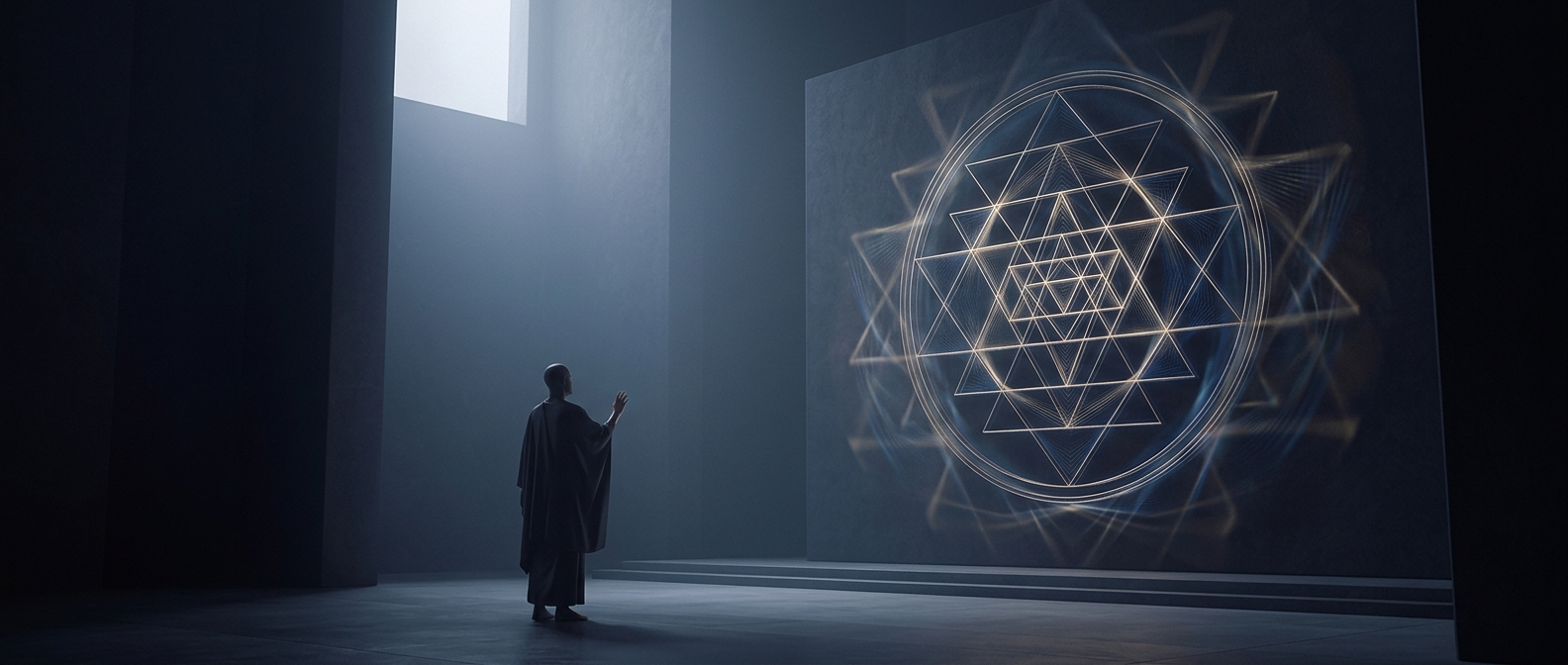
In chakra traditions, Ajna is often called the “third eye” and associated with insight, discernment, and inner vision. Its role as a command center is symbolic: it represents the capacity to notice what is happening within and give direction to the energies or qualities described by the other centers.
Those lower centers are commonly linked, in different systems, with concerns such as bodily needs, emotion, and personal agency. Ajna’s coordinating role suggests that these impulses need not operate separately or dictate action on their own. They can be brought into awareness and considered together.
A spiritual map, not a body part
The chakra system is a spiritual framework, not a map of organs, nerves, or measurable energy channels. So “coordination” here describes a way of interpreting inner life, not a physical process happening at the brow. Traditions and modern interpretations differ in how they explain the centers, but the image of Ajna as a directing point captures a familiar aspiration: to respond with awareness rather than be carried along by every impulse.
That makes the third-eye image less a claim about hidden anatomy than a reminder to pause, perceive, and choose.