Why Lhamo La-tso Matters in the Search for a Dalai Lama
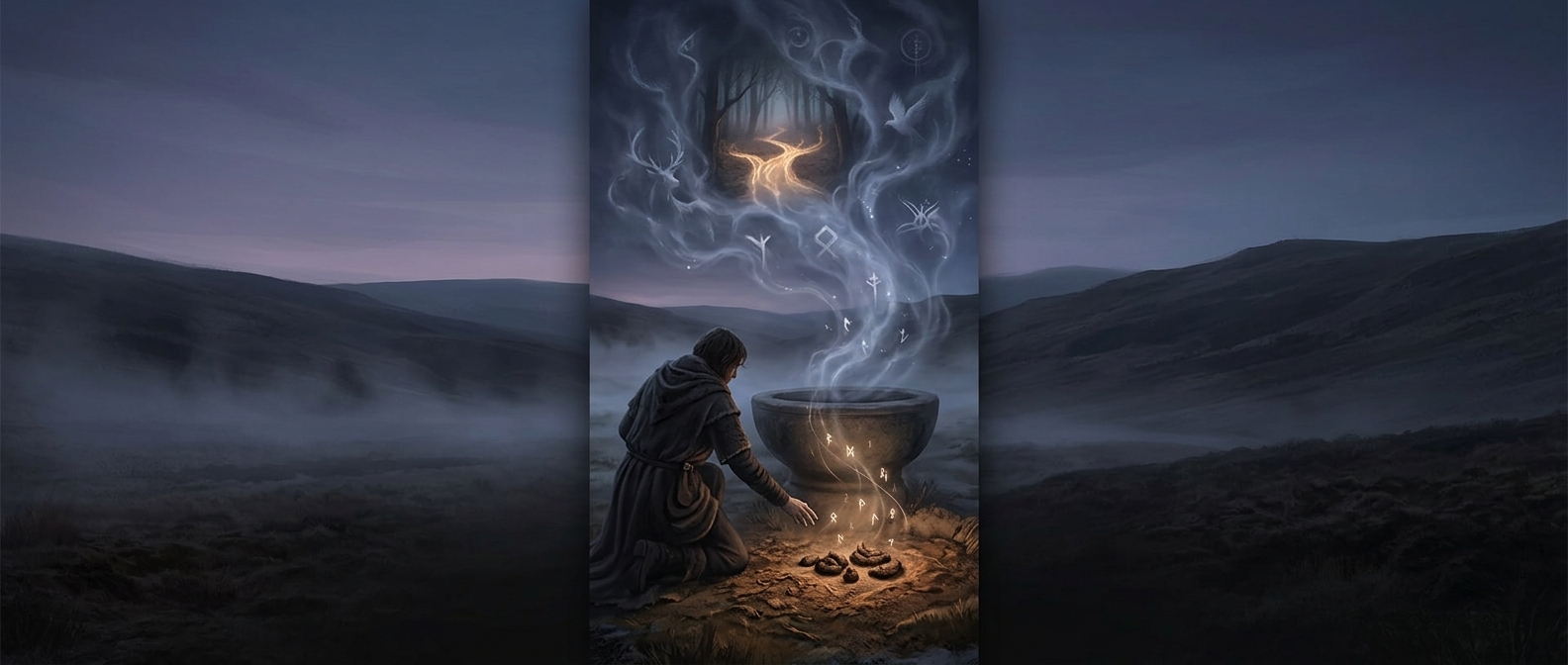
High in Tibet, Lhamo La-tso is revered as a sacred lake where visions may offer guidance. Its best-known role is not forecasting catastrophes: in the Tibetan Buddhist tradition, visions associated with the lake have helped guide the search for a deceased Dalai Lama’s reincarnation.
The search begins after a Dalai Lama dies. Religious leaders look for a child believed to be his rebirth, and signs or visions can help direct them toward places, people, or clues to investigate. They are part of a larger process of discernment, not a stand-alone test that identifies a child by itself.
What the Vision Is—and Is Not
A vision connected with the lake is understood within a religious framework as a possible sign. It may be experienced during meditation or interpreted by practitioners seeking guidance. The meaning lies in how the sign is read and weighed alongside other evidence and religious judgments.
That distinction matters: the tradition is about seeking guidance in a consequential spiritual search, not a general practice of reading predictions of disasters in mountain lakes. Nor does a vision function like a measurable forecast. Its significance depends on the beliefs and interpretive practices of the community.
Why the Setting Is Part of the Practice
Reaching Lhamo La-tso means confronting thin air, cold, and physical exertion. For practitioners, the demanding journey and meditation are not incidental scenery; they help make the visit an act of focused devotion. The lake’s remoteness also sets it apart as a place approached for a serious purpose.
The result is a striking combination of landscape and decision-making: a vision at a high-altitude lake can become one clue in a search that shapes the religious future of Tibetan Buddhists.