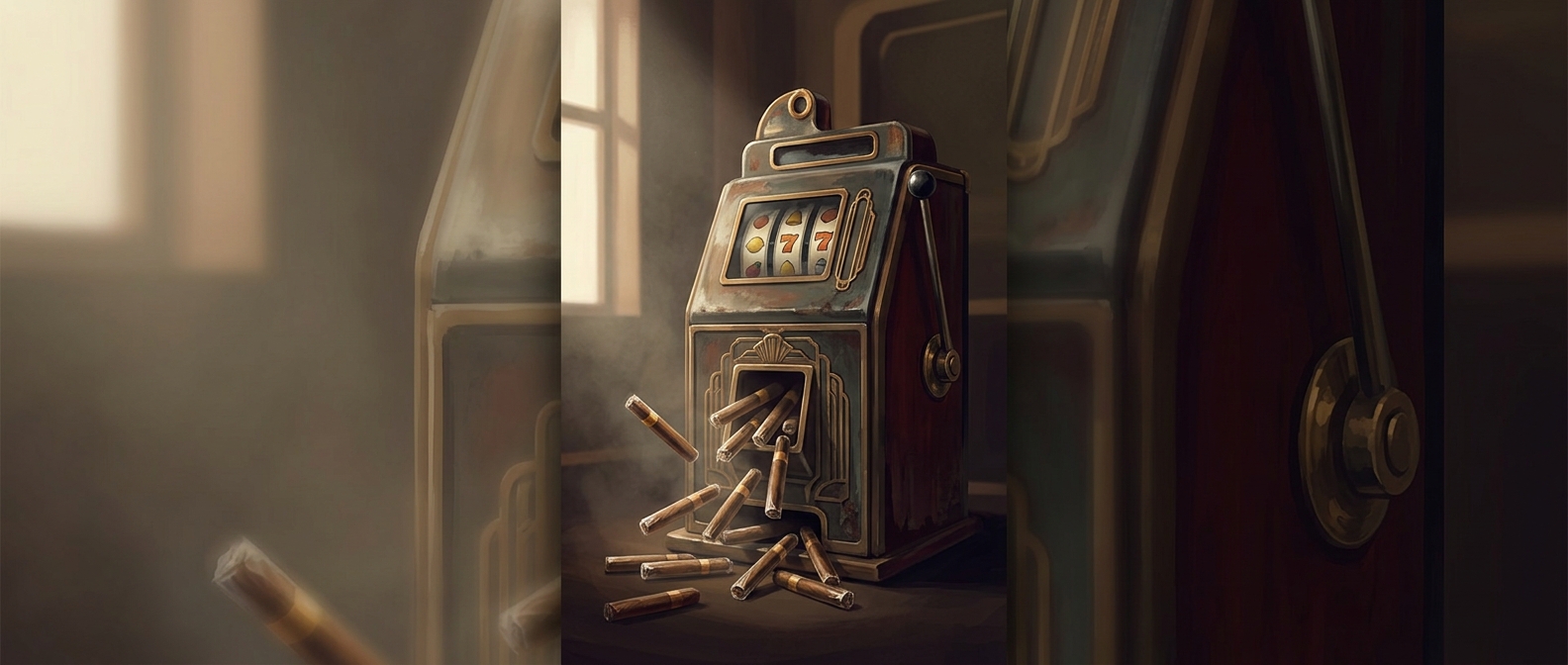
Why a keno hit may still lose money
Keno turns a set of numbered spots into a wager against a posted paytable. A player marks numbers, then the game draws a batch from the full pool. The payout depends on how many picks match—not simply on whether any number appears.
That distinction matters. A ticket can produce a few matches and still pay nothing, or pay less than it cost. The paytable assigns rewards to each possible match count, and those rewards are set so that, over many plays, the average amount returned is less than the amount wagered. That gap is the house edge.
The paytable does the quiet work
A large possible prize can make the game feel generous, but the rare outcomes that qualify for it may be very unlikely. Meanwhile, common outcomes may return little or nothing. The balance between those probabilities and payouts—not the excitement of the drawing—determines the expected return.
Keno’s house advantage varies by game and paytable, so there is no single percentage that applies everywhere. Before playing, the useful comparison is the schedule of payouts for the exact version on offer. A ticket may look like a simple test of lucky numbers; mathematically, it is a bundle of outcomes priced by the casino.