A Prize That Wasn’t Cash
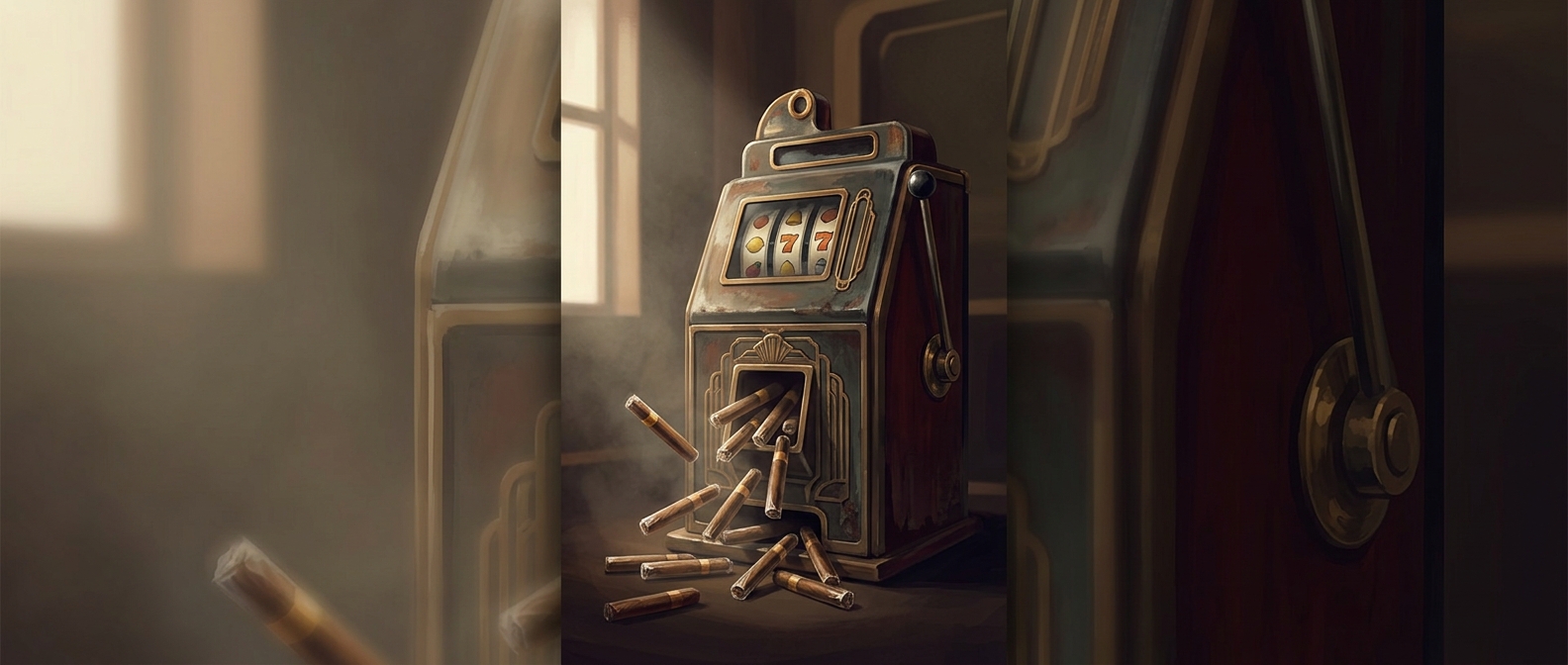
Early slot machines could still promise a reward even where paying out money was prohibited. Instead of dispensing coins, a machine awarded tokens that a player could take to a nearby bar and exchange for goods such as cigars or drinks. The machine’s payoff was therefore tangible, but it came as a bar tab or a product—not cash from the machine.
The Bar Became Part of the Game
That arrangement tied the machine to the business around it. A player might win a token, redeem it at the bar, and spend time there; the reward could draw customers while giving the machine an appeal beyond the chance to play again. The bar, rather than the machine, supplied the cigar or drink.
Tokens also changed what a “win” meant. A payout could be something to consume or share, not money to carry away. The workaround preserved the thrill of receiving a prize while routing the reward through the venue’s goods and services. It shows how a gambling machine’s design could adapt to restrictions: change what it dispensed, and make the surrounding business part of the payoff.