The lever is an input, not a control
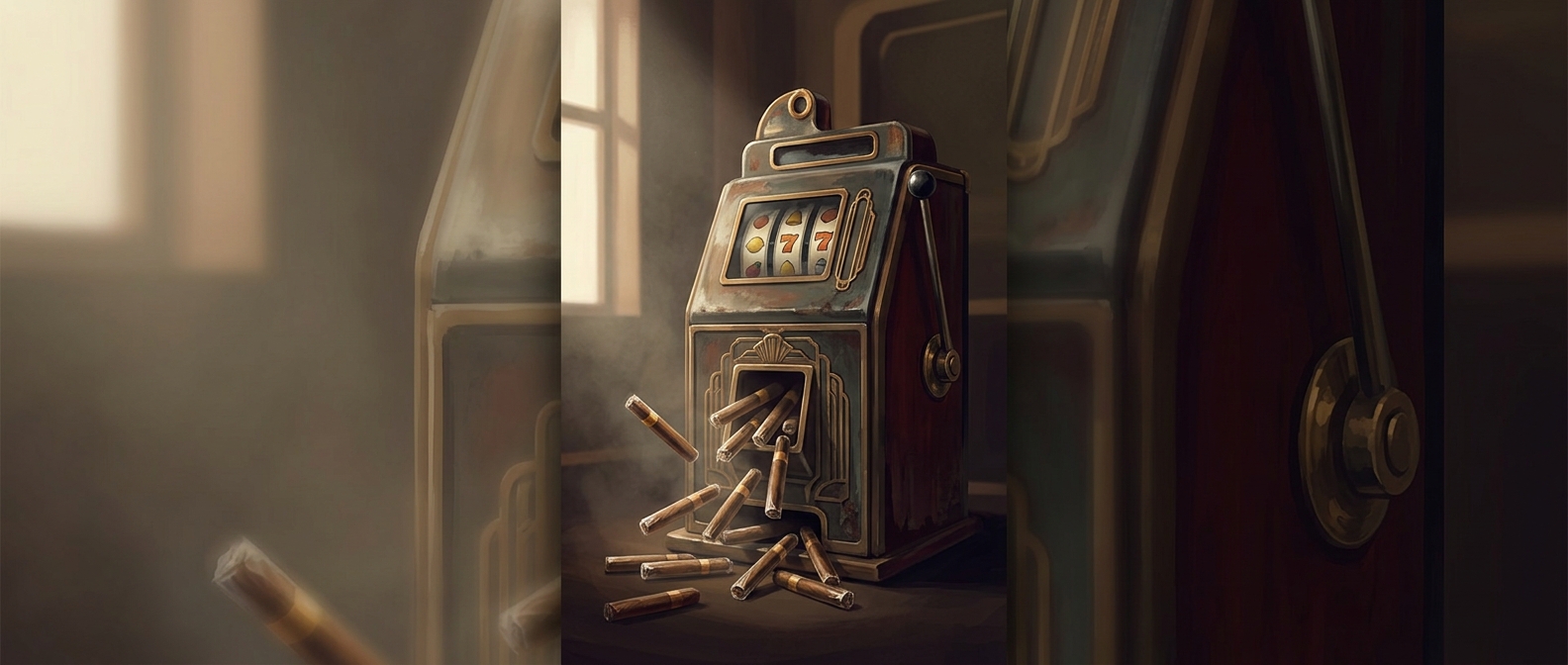
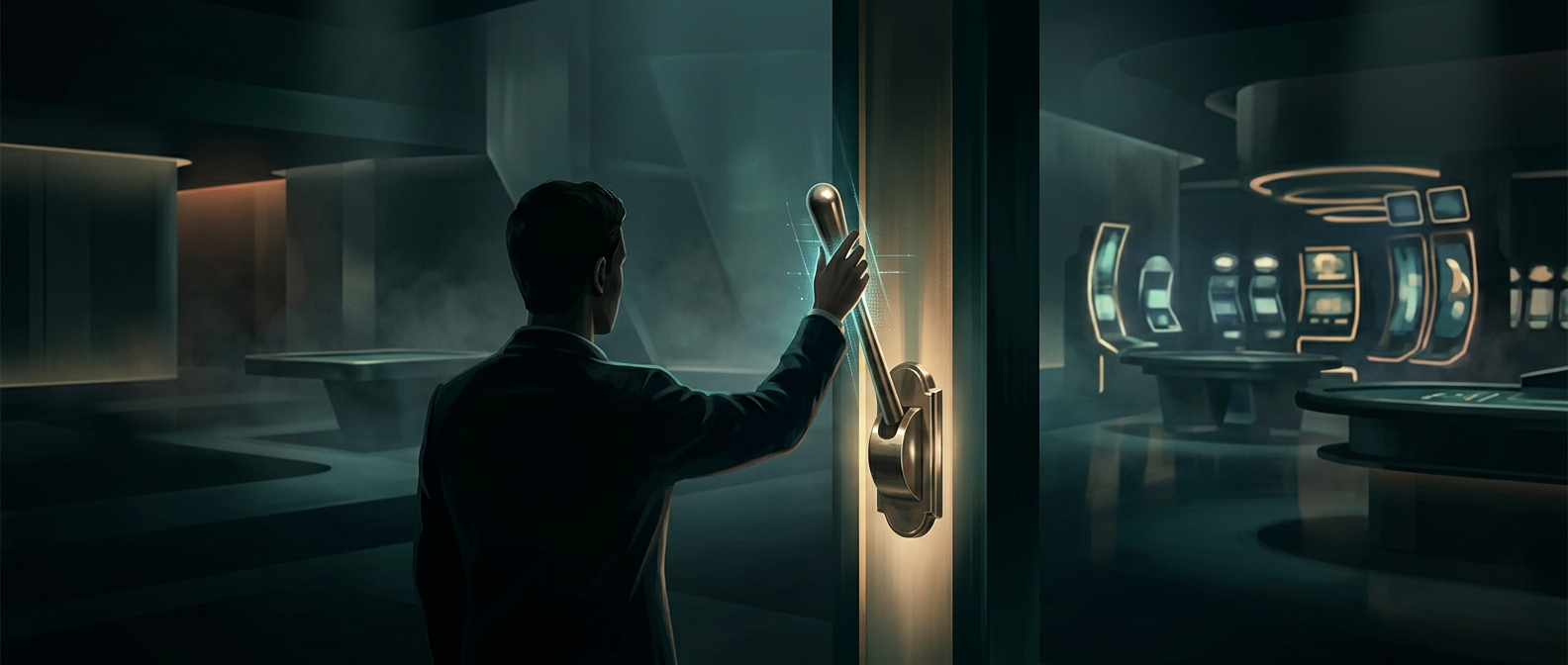
Inside an electronic slot machine, the handle functions much like a start button. Moving it sends the game a signal to begin a play. The machine’s software then uses a random-number generator—a process that produces unpredictable values—to select an outcome from the game’s possible results.
Those values are mapped to symbol combinations and their associated payouts. The lever does not choose which symbols appear, and pulling harder or more smoothly does not nudge the machine toward a better combination. Once the play is underway, the player’s physical technique is not part of the calculation.
Why the reels seem to tell a different story
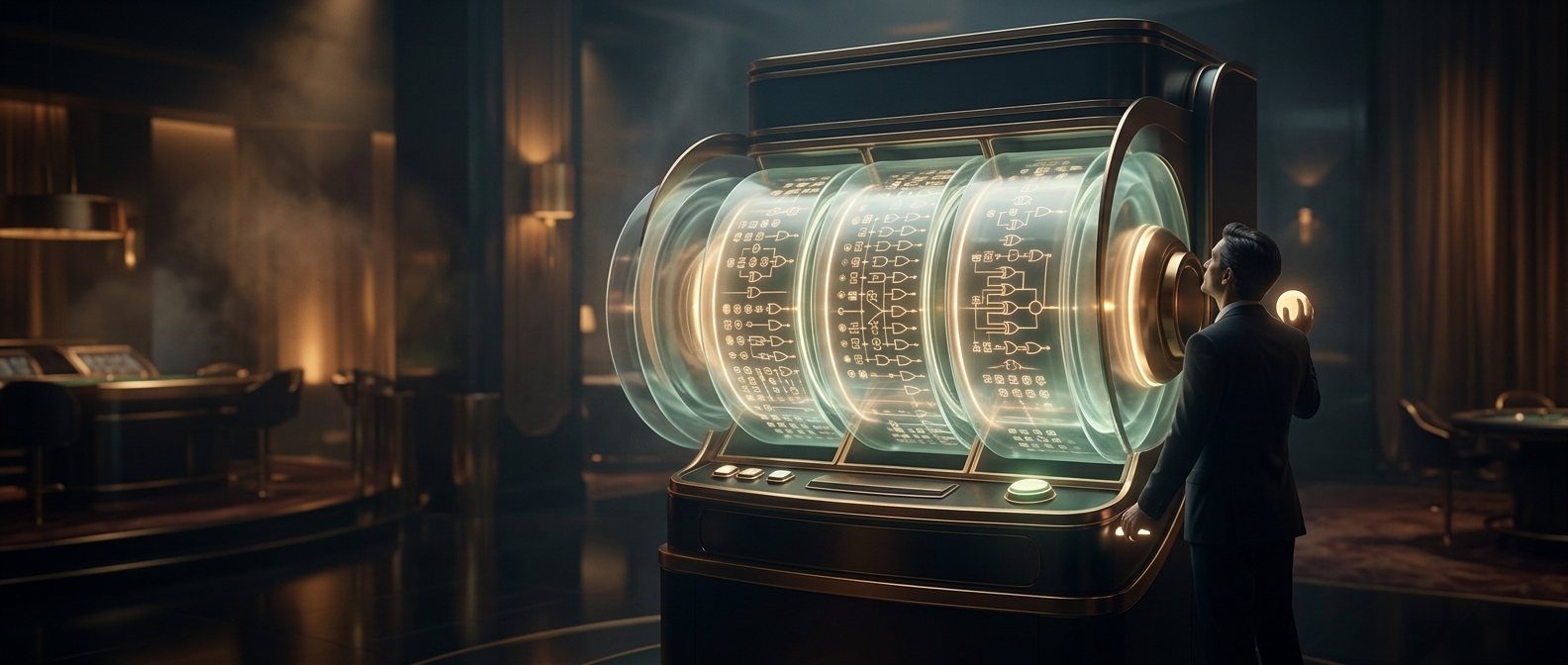
The spinning reels provide a visible performance of the result. They may slow and stop one after another, creating suspense, but their movement is designed to display the combination the software has selected. The apparent motion is not a set of physical reels whose final positions a skilled pull can influence.
That separation explains how the handle can feel consequential while having no effect on the odds. It preserves a familiar, tactile ritual from older machines, while the electronic game handles the actual selection. Pulling the lever starts the show; it does not steer its ending.