Why a pool makes voices hard to place
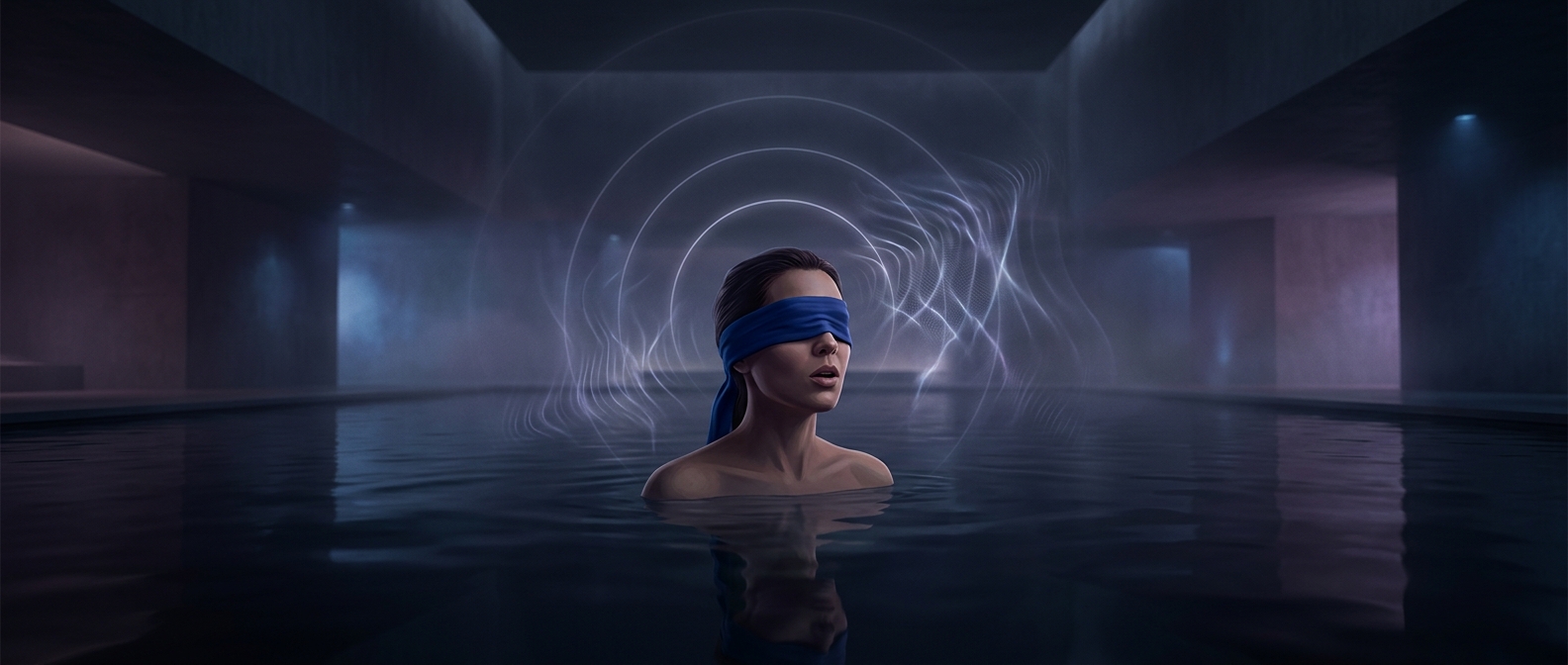
In Marco Polo, the blindfolded player has to turn a voice into a direction. A pool makes that task less reliable because sound reaches the ear by more than one route. Voices bounce off hard walls and the water’s surface, so a player may hear the original sound mixed with quick reflections. Those overlapping arrivals blur the tiny timing and loudness differences the two ears use to judge where a voice came from.
The pool adds competing sounds, too. A splash can cover part of a call, while the slap of water against the sides may seem to come from a different direction than the person who caused it. The result is not that voices become unrecognizable; it is that their location becomes harder to pin down.
The call-and-response is the game’s design
The familiar exchange—“Marco” followed by “Polo”—gives the seeker repeated clues without giving away a player’s exact position. Each reply narrows the search for a moment, but children can move between calls, and echoes or splashing can make the apparent direction misleading. The seeker must keep updating the guess rather than simply follow one sound in a straight line.
That turns a simple rule into a small sound puzzle: the players announce themselves, yet the pool makes those announcements imperfect guides. The same call that reveals someone is nearby can leave the seeker unsure which way to turn.