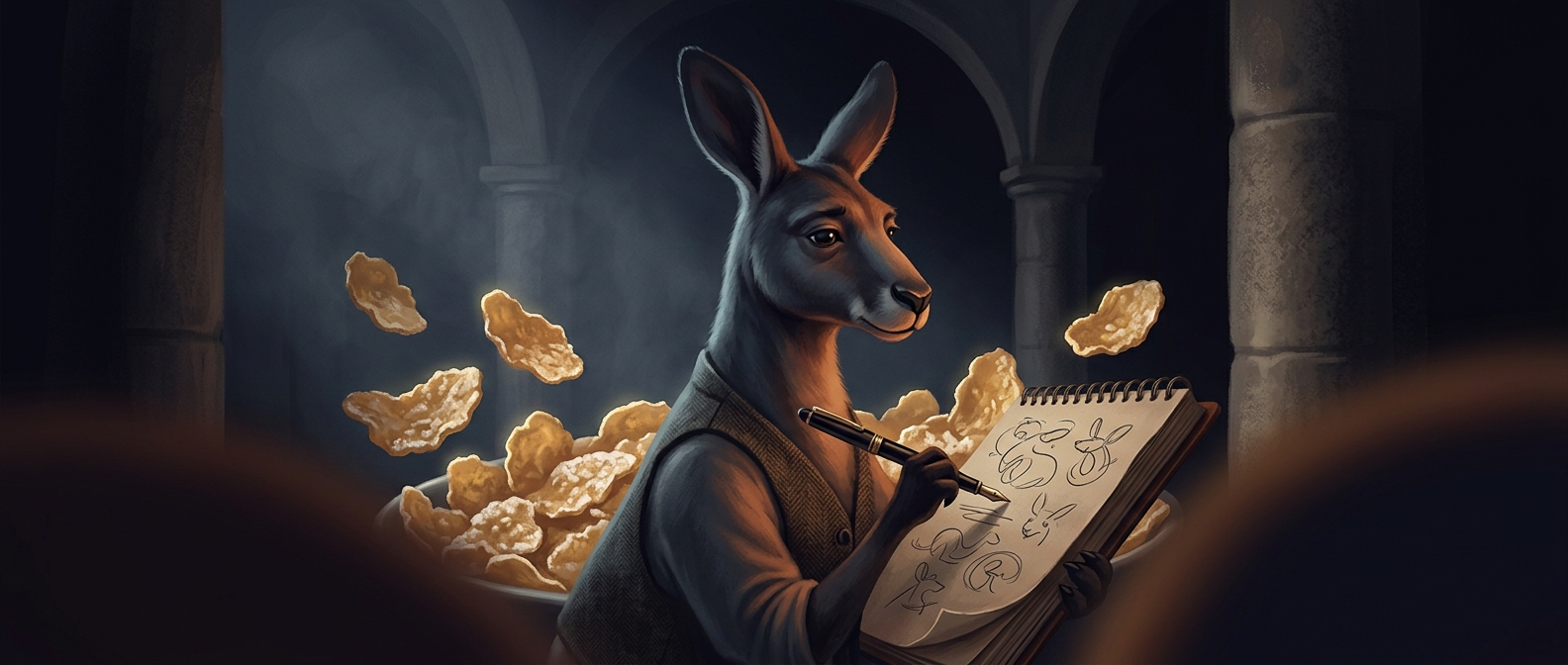
A rumor can test a story before the story is locked
A plot idea on a page reaches a small circle. A rumor about that idea can reach thousands of fans, who respond in their own words: they may cheer a pairing, reject a character’s return, or object to a twist they think is coming. That reaction can reveal which parts of a story carry emotional weight—and which might create friction—while a script is still being revised.
The useful signal is not simply whether people like the rumored plot. Their reasons matter. Excitement may point to an audience’s attachment to a character; anger may expose a perceived betrayal of the story’s established rules. Writers and executives can use that feedback to reconsider emphasis, timing, or even whether an idea is worth pursuing.
The feedback is suggestive, not a vote
Online reactions are a rough form of market research. The people who post are not necessarily representative of the wider audience, and a rumor may spread because it is shocking, not because it reflects what viewers truly want. Fans also react to incomplete information: a twist that sounds insulting in isolation might work in a finished story with the right setup.
That makes the response most useful as a prompt for questions, rather than a command to rewrite. A strong backlash can alert a studio to a risk; it cannot reliably predict ticket sales or tell creators exactly how to fix the problem.
Testing an idea can change the idea
If a rumor is deliberately allowed to circulate, the test has another complication: people may respond to the act of being tested, or to the rumor’s source, as much as to the plot itself. A studio also risks losing control of a story’s reveal and weakening trust if fans conclude that they were manipulated.
The practical value is therefore limited but real: early reactions can show where an unfinished story is likely to spark curiosity or resistance. They offer creators a chance to notice that pressure before a draft becomes a production decision.