A ghost invented for an experiment
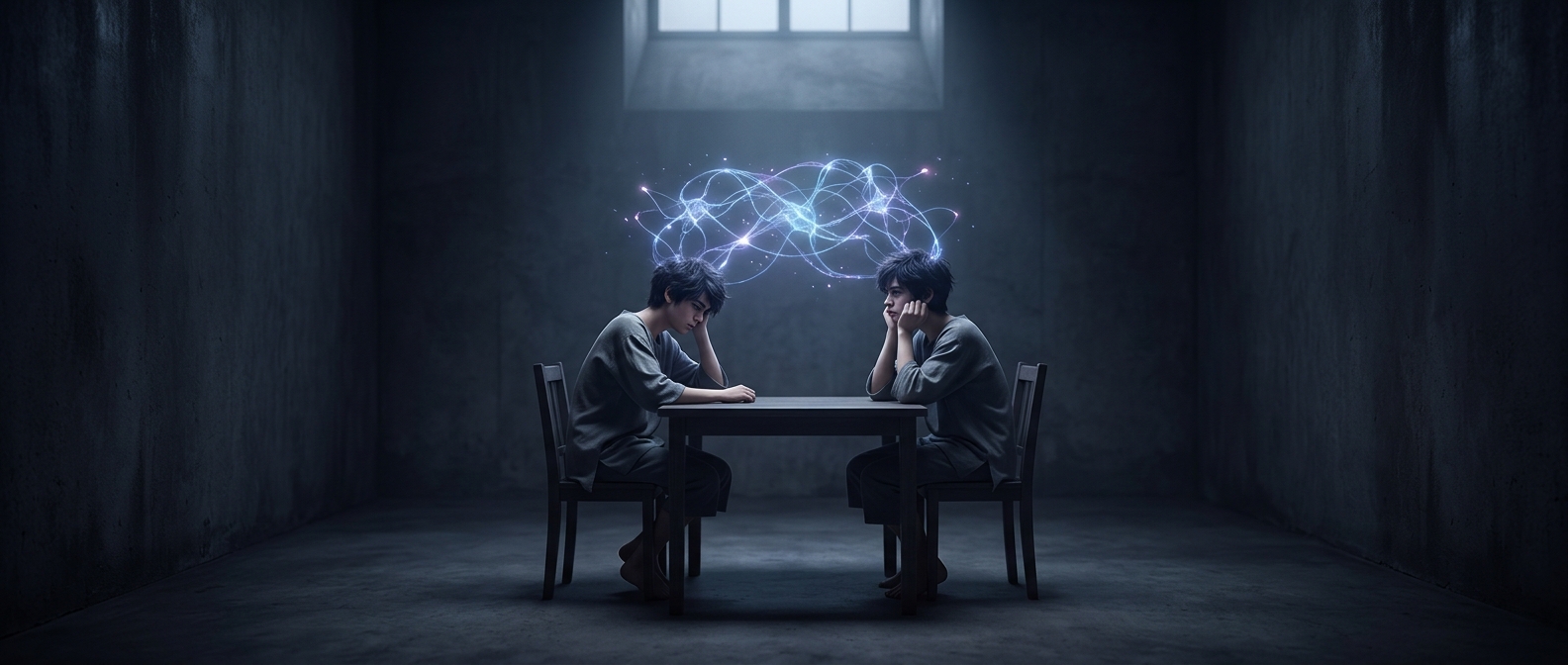
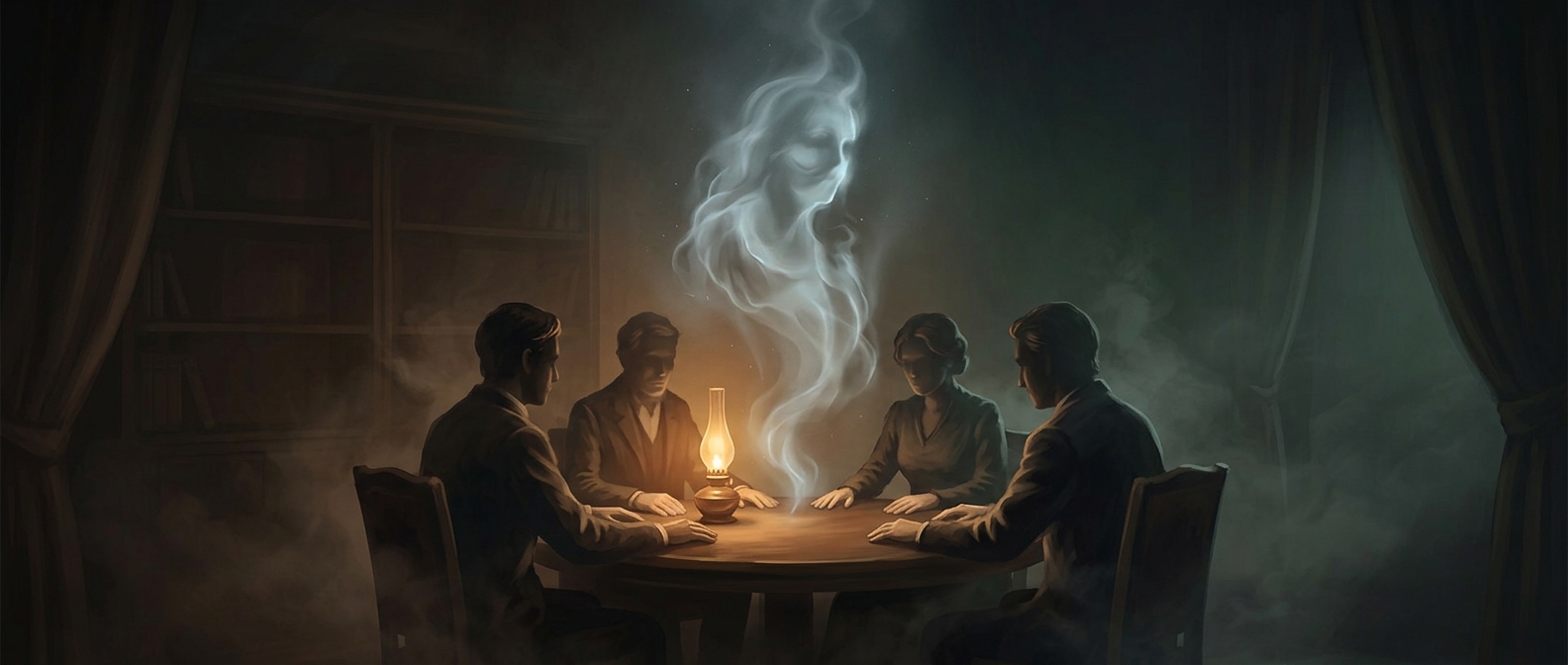
In 1972, a group of Canadian researchers gave an imagined ghost a name and a life story: Philip. The point was not to contact someone believed to have died. It was to see whether a group could produce séance-like events while focusing on a character everyone knew was fictional.
That setup changed the question. If knocks or table movements occurred, the group could not straightforwardly attribute them to Philip as a deceased person. The researchers instead considered whether the participants’ own minds might be affecting the table—a proposed ability called psychokinesis, or mental influence on physical objects.
What the reported movements could show
During the sessions, participants reported knocks and table movements, including apparent levitation. In a séance, such events can seem to supply evidence that a spirit is present. Here, the fictional backstory offered a different interpretation: shared expectation and attention might be connected to the phenomena, without requiring a dead spirit.
The experiment’s memorable twist was therefore its design, not proof that an imaginary person had become real. It treated the séance as something a group might generate together, and left open what caused the reported movements. A table that seemed to answer a ghost could, in this case, be part of an experiment about the people gathered around it.