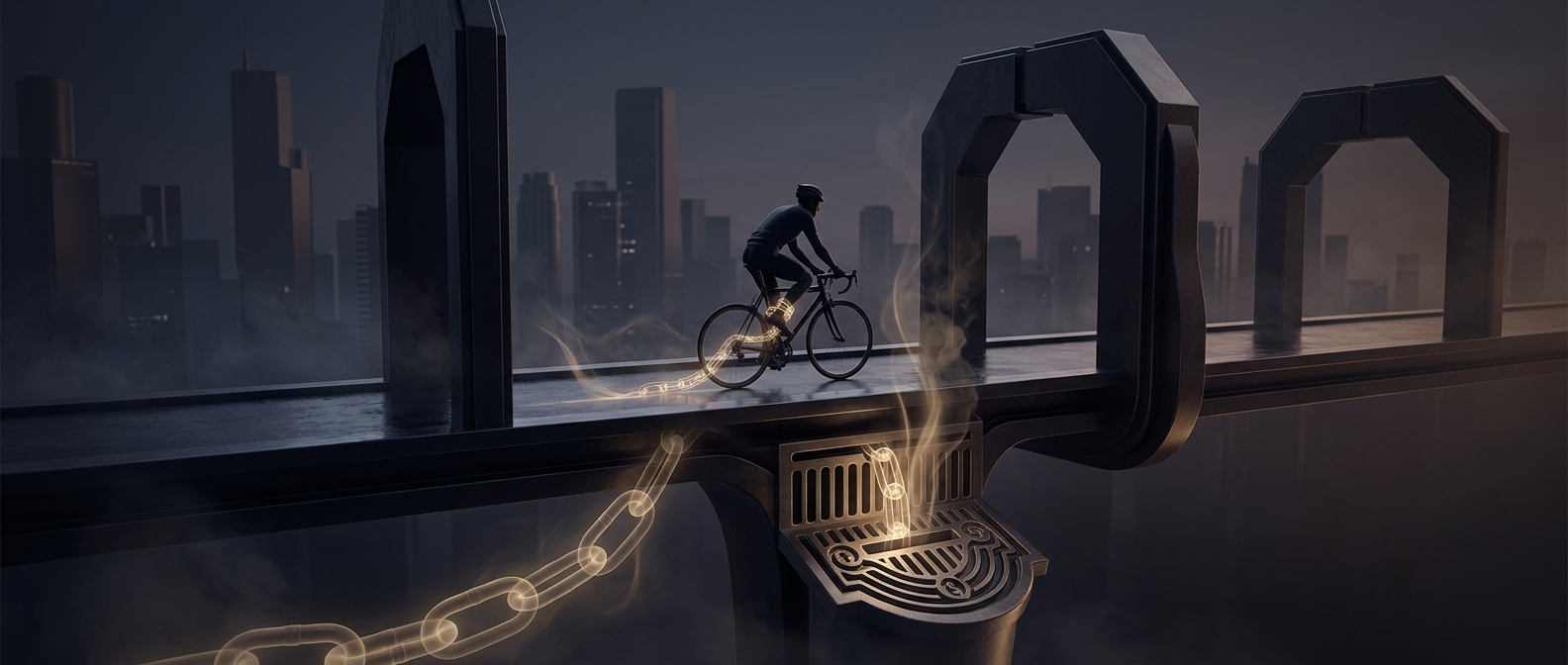
Why a shared bike has a meter
A bike-share bicycle is not simply a bicycle placed on a public street. It is part of a rental system: the operator must buy or maintain the bikes, move them where riders need them, and provide a way to unlock and track each trip. A fee helps pay for that work. Depending on the system, riders may pay a small amount to start a trip and then more according to how long they keep the bike.
That time-based charge reflects a practical constraint: one bicycle can serve several people in a day, but only if it is returned and made available again. A rider who keeps a bike for hours prevents someone else from using it. Pricing can encourage short trips and prompt riders to return bikes promptly, though it also makes the total cost less predictable than a single flat fare.
The ride is free; the service is not
A public street generally does not charge someone for riding a personal bicycle on it. Bike-share fees pay for access to a particular bicycle and the system around it, not for permission to use the road. That distinction matters: a city can make cycling easier by providing shared bikes, but maintaining a fleet and keeping it usable still has costs.
The meter also shapes who finds bike-share convenient. A quick trip may cost less than owning and storing a bike, while frequent or lengthy rides can add up. The price is attached to the borrowed bicycle and the time it is in use—not to the pavement beneath its wheels.