A carriage did not need wheels to be taxed
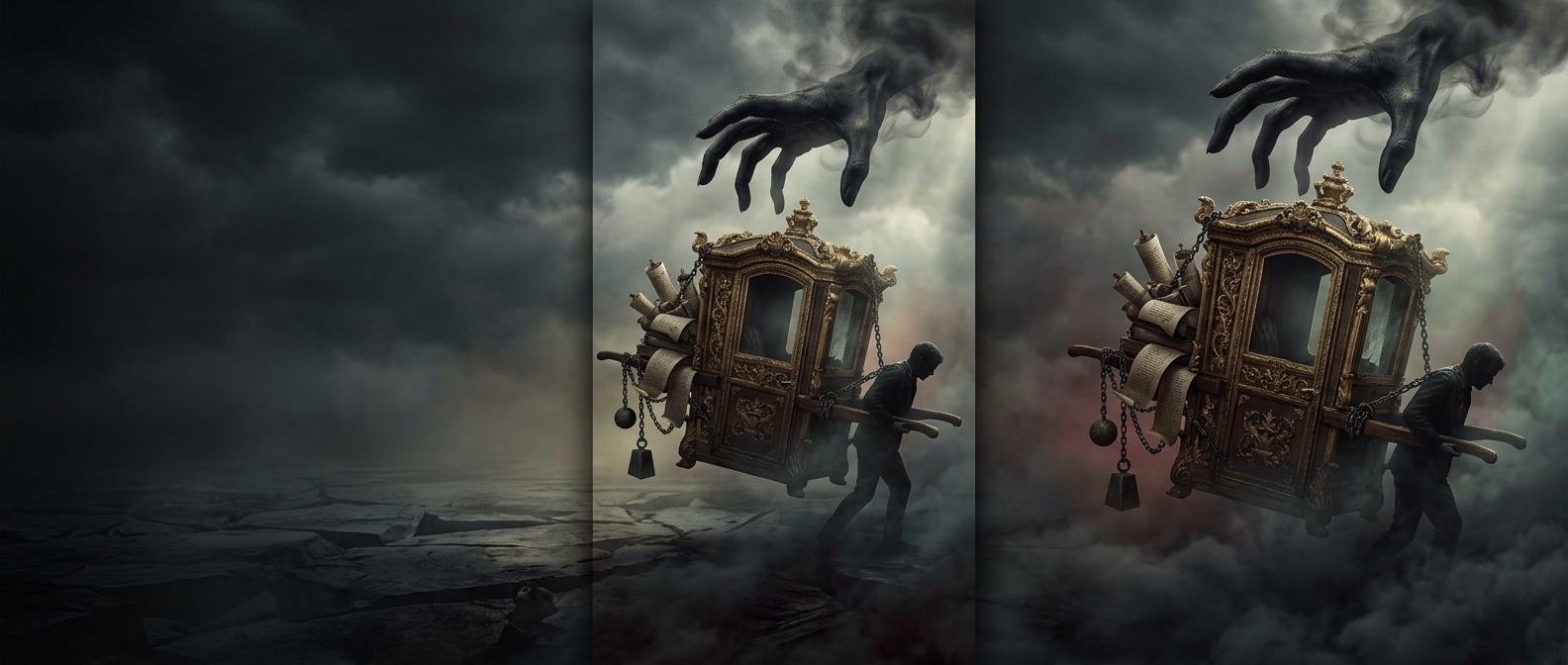
A sedan chair was a small enclosed seat carried between two long poles. Two chairmen lifted the poles at either end and walked, turning human strength into a hired ride through town. To the passenger, the result served much the same purpose as a carriage: someone else provided the transport, and the passenger avoided the walk.
That made sedan chairs awkward for a tax system built around familiar categories. Their power source was muscle, but their function was transportation. England taxed the chairs as a form of transport, with the chairmen paying for the privilege of operating this human-powered service. The tax treated the ride as a taxable convenience rather than asking whether the “horsepower” came from animals, a machine, or people.
The burden fell on the people carrying the ride
The arrangement put the formal cost on the chairmen, not directly on the passenger. In practice, a cost attached to providing a service can affect what it costs to hire, though the exact effect on fares is not established here. The striking point is the category itself: two men carrying a passenger could still count as a carriage for tax purposes.
The episode reveals how transport is defined less by what moves it than by what it does. A chair borne on shoulders could occupy the same fiscal imagination as a wheeled vehicle—so long as it carried paying passengers from place to place.