Why perfection can make starting feel dangerous
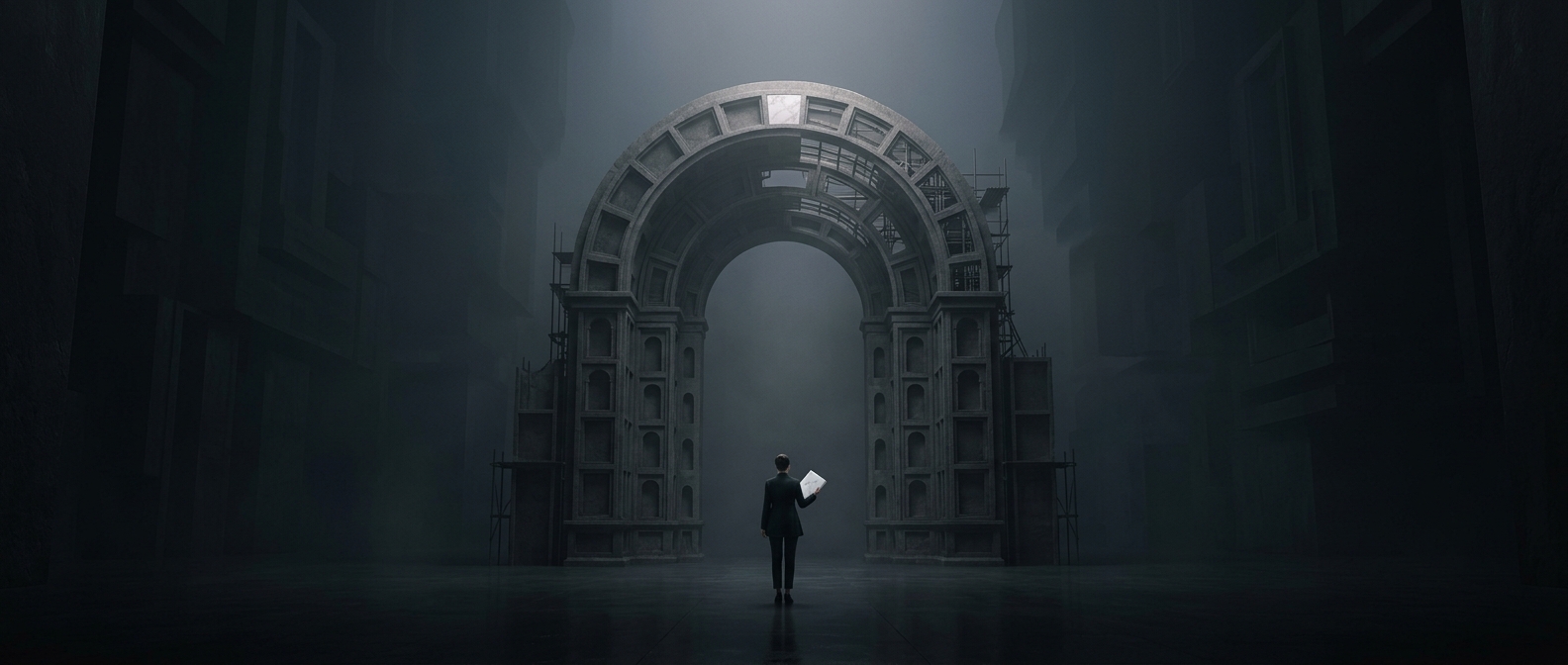
When a task must be flawless to count, beginning is not just work—it is a test whose result seems to say something about the person doing it. A rough draft can feel like evidence of inadequacy rather than a normal stage of making something. The higher the stakes feel, the more threatening that first visible imperfection becomes.
Avoidance is rewarded immediately
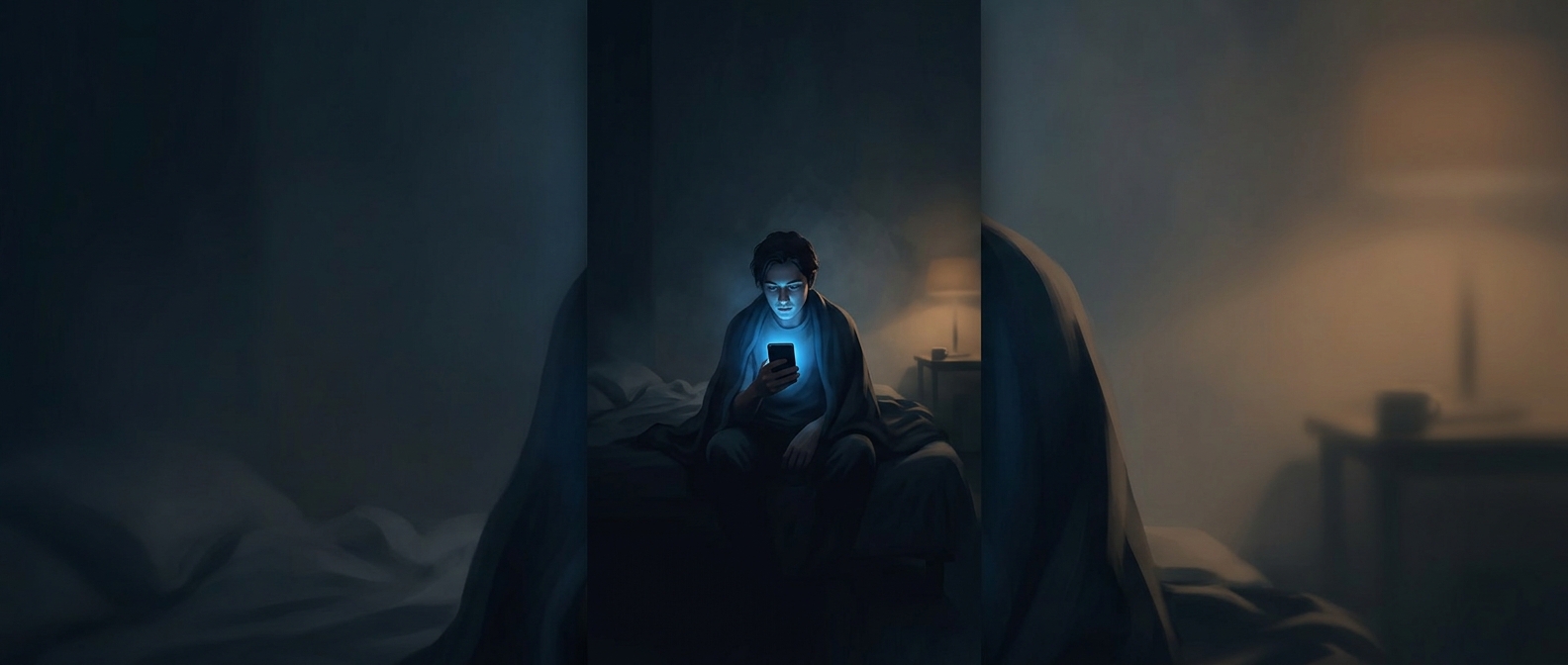
Putting the task off reduces that threat for a moment. There is no draft to inspect, no mistake to correct, and no verdict to face. That quick relief can teach the brain to avoid the task again the next time anxiety rises. Psychologists call this negative reinforcement: a behavior becomes more likely because it removes an unpleasant feeling.
The relief is immediate, while the cost arrives later. With no attempt underway, there is also no feedback—no chance to discover that a weak opening can be rewritten, or that a mistake is manageable. The standard stays absolute because it is never tested against the ordinary process of improvement.
Make the first step a trial, not a verdict
A useful shift is to give an early attempt a different job. Instead of asking it to prove the work is good, ask it to reveal what needs work. A deliberately rough outline, a short timed session, or one practice attempt creates something specific to revise while keeping the commitment small.
This does not mean abandoning care or aiming low. It means separating the quality of the finished work from the quality of its first version. A project can only be polished after it exists; revision is where an imperfect start can become strong.