Separation Is the Rule—Not a Matter of Pilot Courtesy
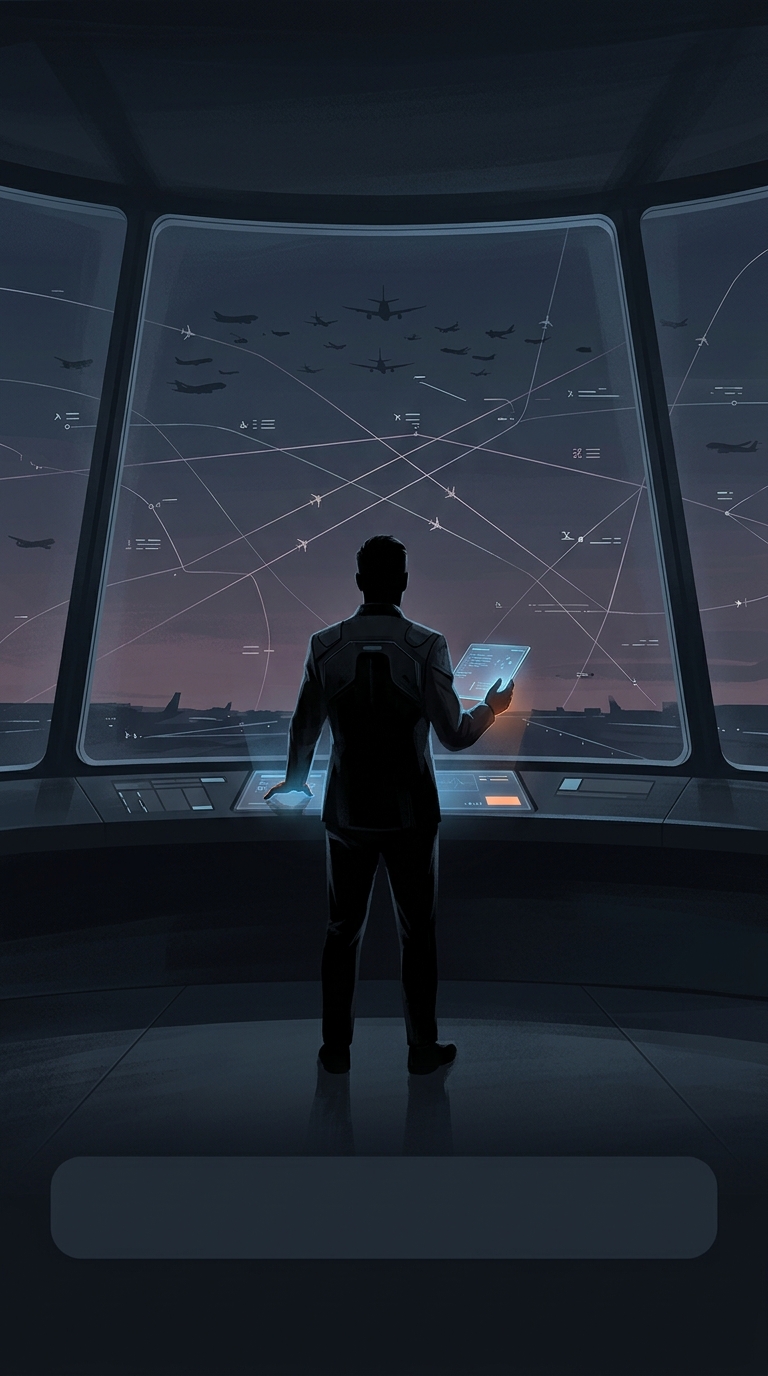
Commercial aviation prevents mid-air collisions through positive separation: air traffic controllers keep aircraft apart using assigned routes, altitudes, and instructions. Pilots are expected to follow their clearances and promptly report anything that could affect them. This is a formal operating discipline, not merely an informal cultural custom.
Controllers track aircraft by radar or other surveillance systems and maintain required spacing. When aircraft are traveling in opposite directions or converging, a change in altitude or heading can create a buffer. The exact separation depends on the airspace and the surveillance and communication systems in use.
When the System Warns the Pilots
Aircraft also carry traffic-alert and collision-avoidance equipment. TCAS—the Traffic Collision Avoidance System—tracks nearby aircraft equipped to respond and can issue a resolution advisory, such as “climb” or “descend.” If that instruction conflicts with an air traffic control clearance, pilots follow the TCAS advisory and tell the controller as soon as they can.
That division matters: controllers organize traffic before conflicts develop; TCAS provides a last-resort warning when aircraft are getting dangerously close. Pilots still have to act quickly and coordinate in the cockpit, but they are not expected to improvise a solution from visual spotting alone.
A Layered Defense
No single safeguard makes a collision impossible. Separation instructions, pilot read-backs, onboard alerts, and coordinated responses are designed to catch problems at different stages. If one layer fails—because of a communication mix-up or an unexpected maneuver—the others may still prevent the aircraft from meeting.
The practical rule is simple: follow the clearance unless an urgent safety alert requires otherwise, and communicate the change. That disciplined handoff between controllers and pilots is what turns collision prevention into a system rather than a matter of luck.