How a Missing Monocle Gets Added to Memory
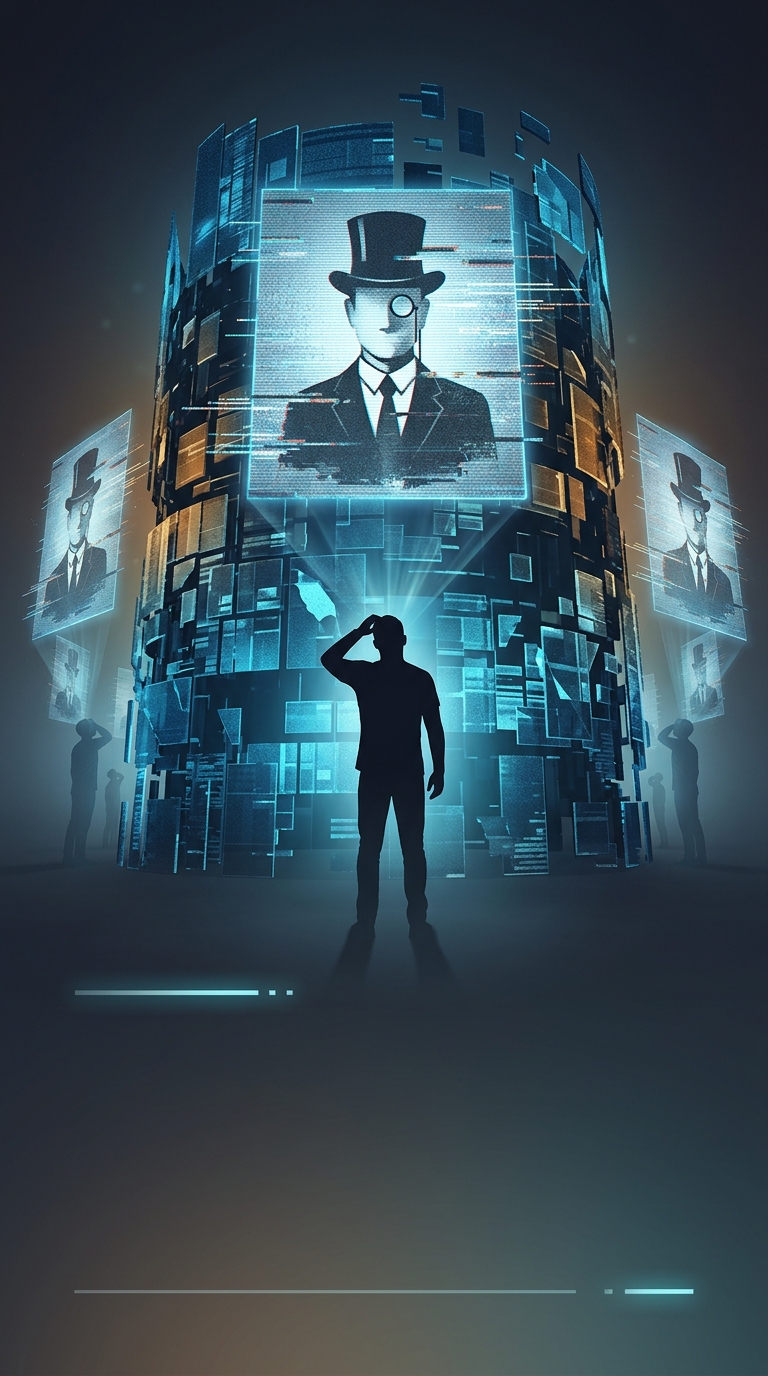
Memory is not a perfect recording. When you recall a familiar image, your brain rebuilds it from stored details and expectations. That usually works well—but it also lets a plausible detail slip in. A monocle fits the visual shorthand for a wealthy, old-fashioned gentleman, so it can feel right on Monopoly’s top-hatted mascot even though it is not part of his design.
Shared Cues Make Errors Converge
People do not reconstruct the image in isolation. They have encountered the same character in the same broad culture, alongside many other cartoon and advertising images. A monocle worn by another familiar character, or simply the general “rich tycoon” stereotype, can supply a detail that seems to belong. The result is a mistake that is personal in the moment but predictable across people: different minds draw on overlapping associations.
The memory’s source can blur, too. Someone may remember the idea of a monocle, but not where they saw it, and later attach it to the Monopoly mascot. Once that version comes to mind, each act of recall can strengthen the reconstructed image rather than restore the original one.
Why Agreement Feels So Convincing
When people compare memories, a shared wrong answer can seem like proof that the detail was once there. But agreement does not necessarily mean everyone saw the same lost version; it can mean they share the same visual expectations and cultural references. Online discussions can reinforce the effect by repeatedly pairing the character with the monocle, making the association easier to retrieve.
That is why the mistake is so retellable: the monocle feels like a tiny, obvious part of the image, yet its very plausibility helps explain how many people can remember adding it.