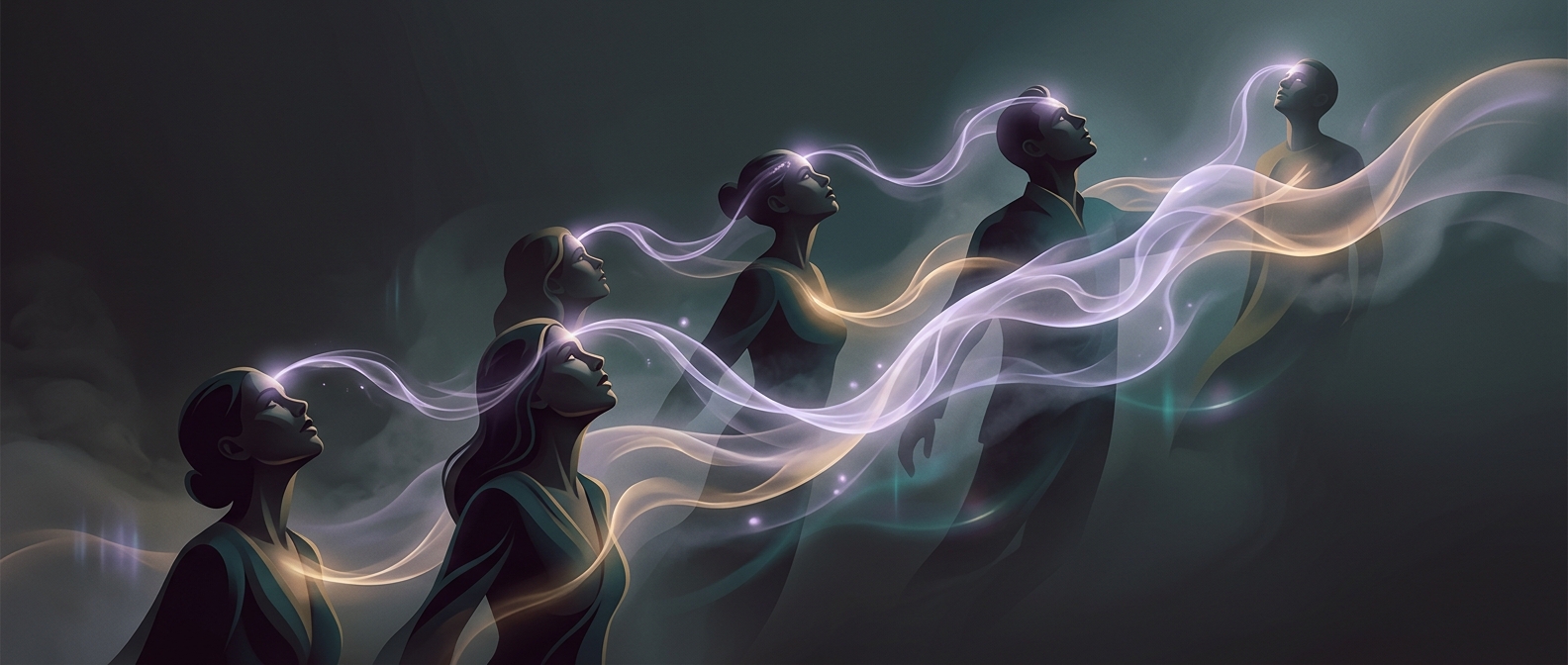
How a belief can take hold between two people
In rare cases, two people in a close relationship come to share the same false belief. Clinicians have historically called this folie à deux, French for “madness of two.” The phrase describes a pattern of belief, not a mental illness spreading like an infection.
Often, one person already holds a delusion—a firmly held belief that persists despite strong evidence against it—and the other gradually adopts it. Isolation from other people, intense dependence, or spending nearly all one’s time together can leave little room for outside perspectives. The belief may then be reinforced through repeated conversations and shared interpretations of events.
Why closeness matters
A shared belief does not mean both people have the same underlying condition or that either is simply pretending. Their circumstances and mental health need to be considered individually. In some cases, a clinician may find that one person’s belief has influenced the other; in others, both may need separate assessment and care.
Creating distance from the relationship or situation can sometimes help the second person reconsider the belief, but it is not a guaranteed cure. The important distinction is that social influence can shape a particular belief without making mental illness generally contagious.