Why a meme can go stale in days
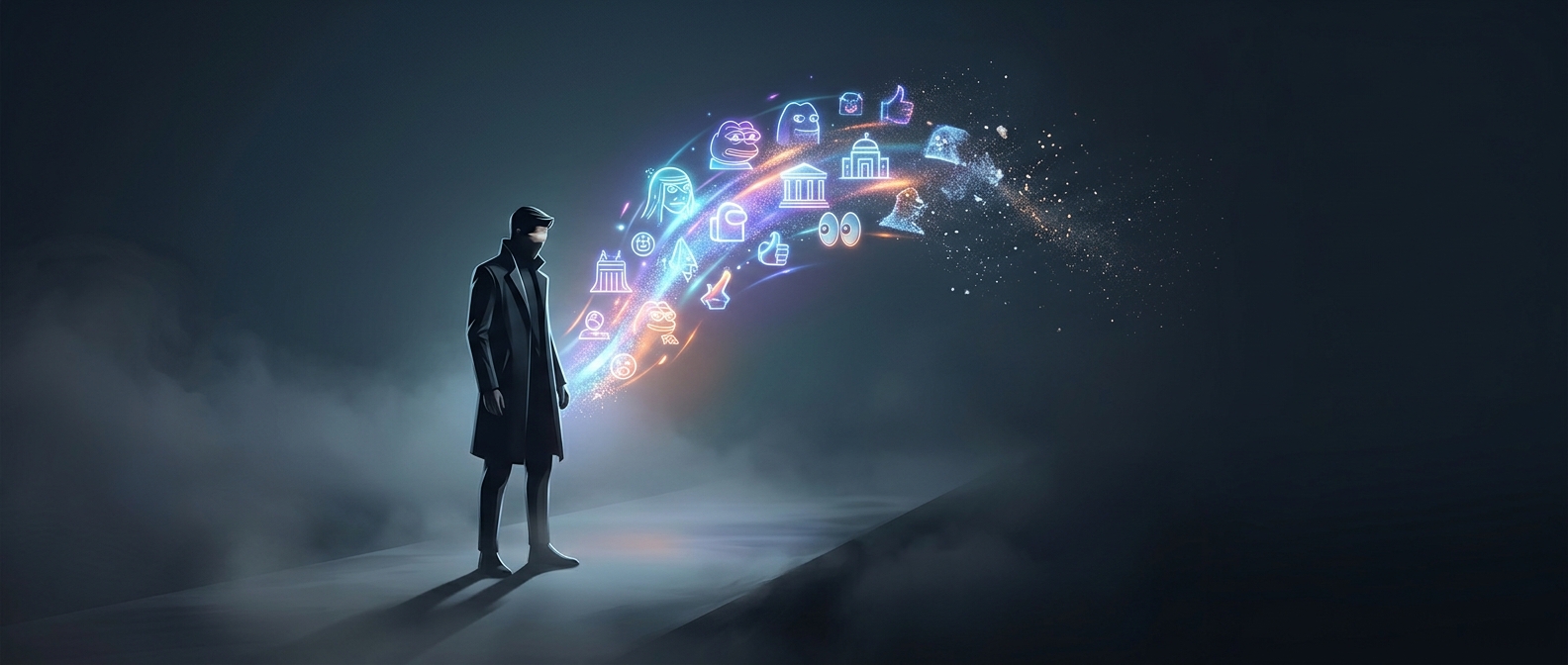
A meme’s useful life is less like a fixed expiration date than a race between discovery and repetition. It often starts in a small online community, where people recognize the original reference and enjoy seeing it twisted into new versions. When a format spreads beyond that group, each remix can carry it to a larger audience—until the joke becomes familiar even to people who never sought it out.
Reach creates the backlash
Platforms reward posts that attract attention, so a successful format can suddenly appear across feeds, reposts, and videos. That visibility is a boost for creators, but it also makes the joke easier to exhaust. Once the same setup shows up repeatedly, the pleasure of recognizing it fades; users may keep copying it, but increasingly as parody or deliberate overuse.
Brands often enter at this late stage. A company needs time to notice a trend, approve a post, and publish it. By then, the audience that made the meme feel fresh may have moved on, and the brand’s polished version can seem like proof that the joke has reached everyone. That reaction helps turn a lively format into a symbol of being behind the moment.
The format may survive the joke
There is no exact countdown shared by all memes. Some fade quickly; others return in new contexts or persist as reusable templates. What lasts only a few days may be the feeling of being in on the joke at the right moment. After that, the image or phrase can remain online while its original social spark has already passed.