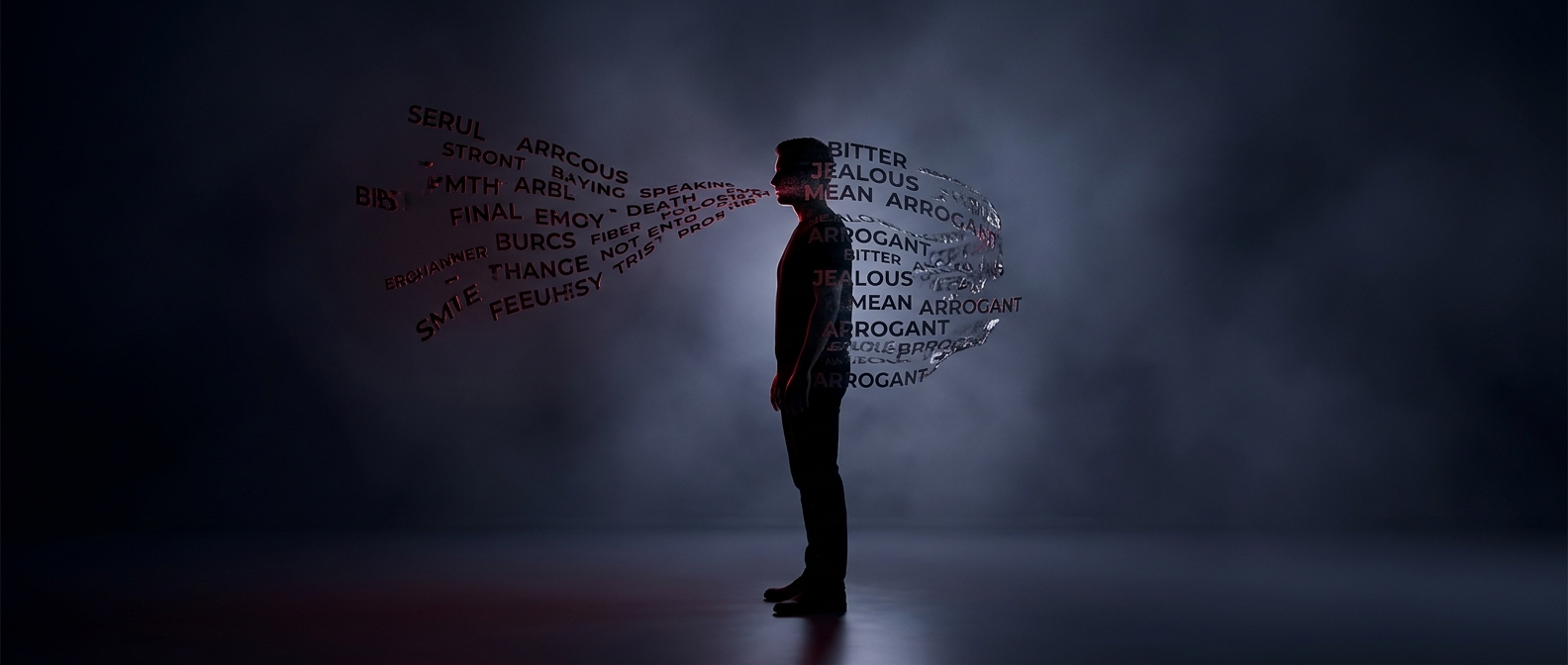
How private doubt can look like group certainty
In an uncertain meeting, people do not judge an idea only by its merits. They also watch for clues about what others believe: a nod, a question, or simply whether anyone objects. When everyone is waiting for the same clues, silence becomes misleading. Each person may read the lack of objections as evidence that others understand or agree, even when those others are also unsure.
Psychologists call one version of this pattern pluralistic ignorance: people privately hold doubts or feelings they believe are unusual, because they mistake others’ outward behavior for their true views. No one has to be deliberately pretending. A person may stay quiet to avoid slowing the meeting, looking uninformed, or challenging a senior colleague. The next person sees that restraint and has another reason to keep quiet.
Why the mistaken impression spreads
The group’s apparent confidence can become a kind of social evidence. Someone who was leaning against a proposal may reconsider after seeing no resistance; someone with a question may decide it must have an obvious answer. As each person adjusts to what the room seems to think, the visible consensus grows stronger—even though it began with no clear agreement.
This is why a quick show of hands or an open-ended “Any objections?” can fail to reveal what people actually think. A more informative discussion makes room for independent judgment first: for example, asking participants to write down concerns before hearing anyone else’s view, or inviting people to name uncertainties rather than defend a position. The key is to make doubt visible early, before silence is mistaken for knowledge. A room can sound unanimous simply because no one wants to be the first to speak.