Being Watched Turns One Task Into Two
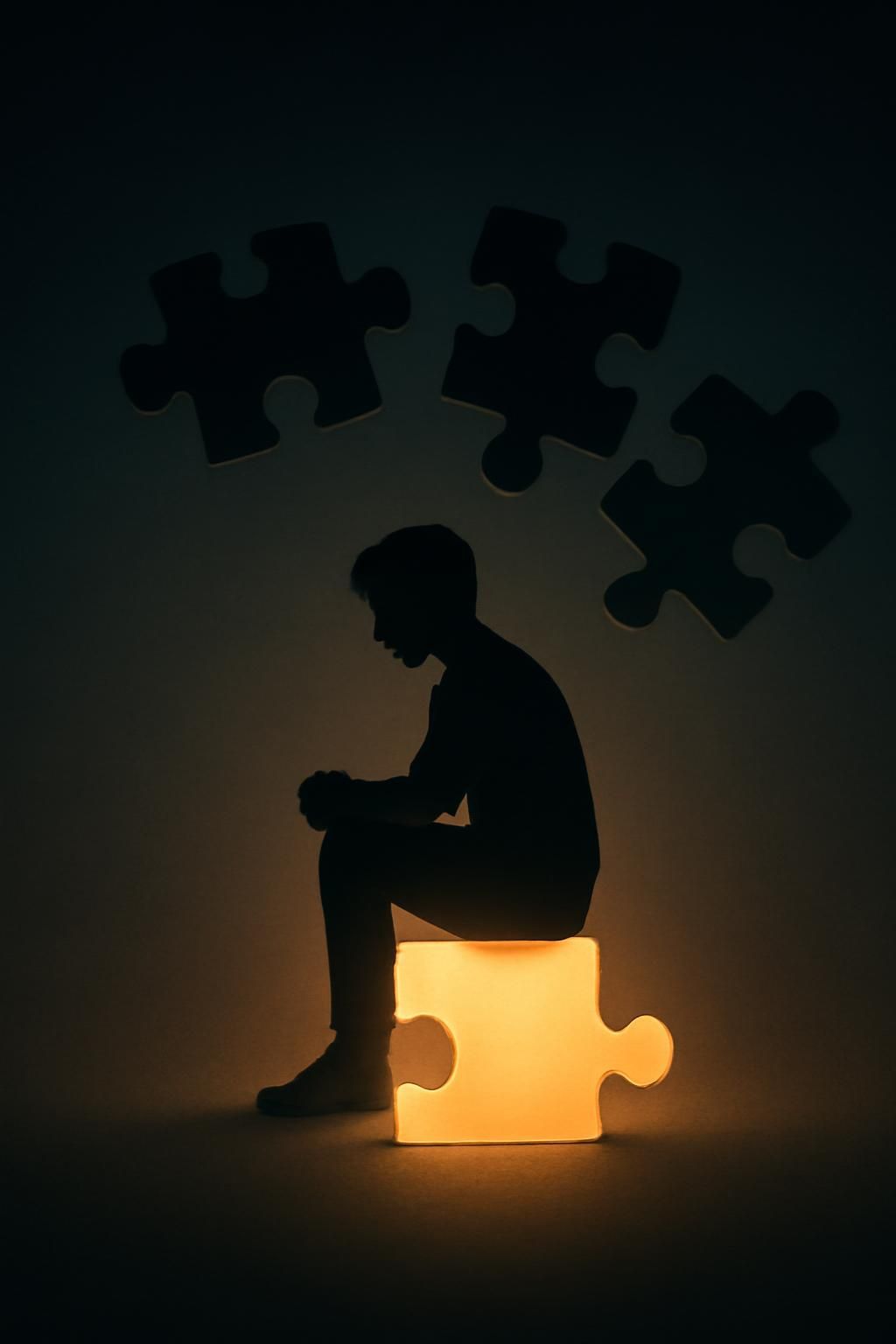
A puzzle that feels easy alone can become awkward when someone is watching because your attention is no longer devoted entirely to solving it. Part of your mind may start tracking the observer: Are they waiting? Do I look stuck? Should I explain what I’m trying? That self-monitoring competes with the mental workspace you need to hold clues, test possibilities, and remember what you have already tried.
The effect is especially noticeable when the puzzle requires deliberate reasoning. You may know how to proceed, yet feel pressure to perform quickly or avoid looking foolish. Trying to control every step consciously can interrupt a process that would otherwise unfold more naturally.
Why Familiar Tasks Can Be Different
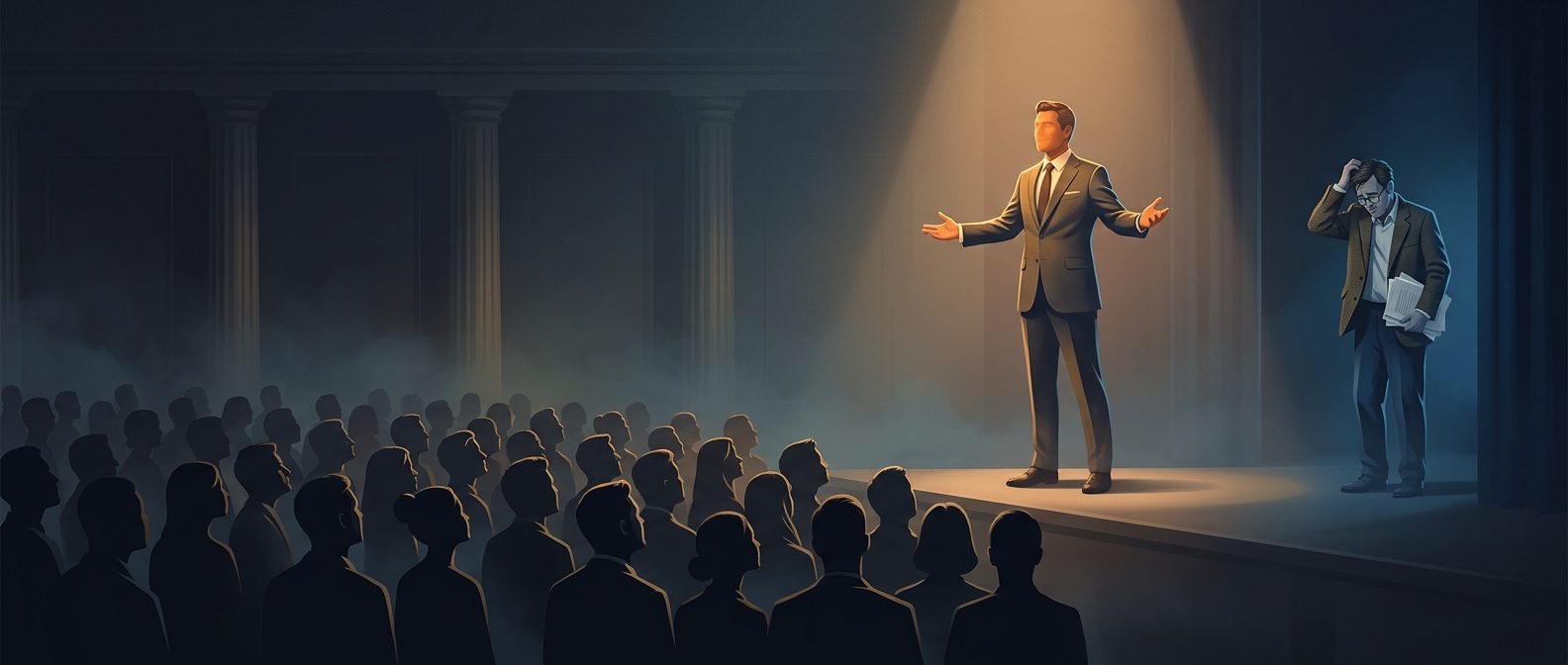
Psychologists often describe observation as changing arousal and attention. For a well-practiced task, extra alertness can sometimes help: a familiar action takes little conscious effort, so there is less to disrupt. For a new or difficult task, however, performance depends more on focused thought. Concern about being judged can pull that focus away.
That is why the same audience can have different effects on different activities—and on different people. Someone who feels supported may treat a watcher as reassurance; someone who feels evaluated may experience the same presence as pressure. The puzzle has not changed, but the mental conditions for solving it have.
The Audience Becomes Part of the Problem
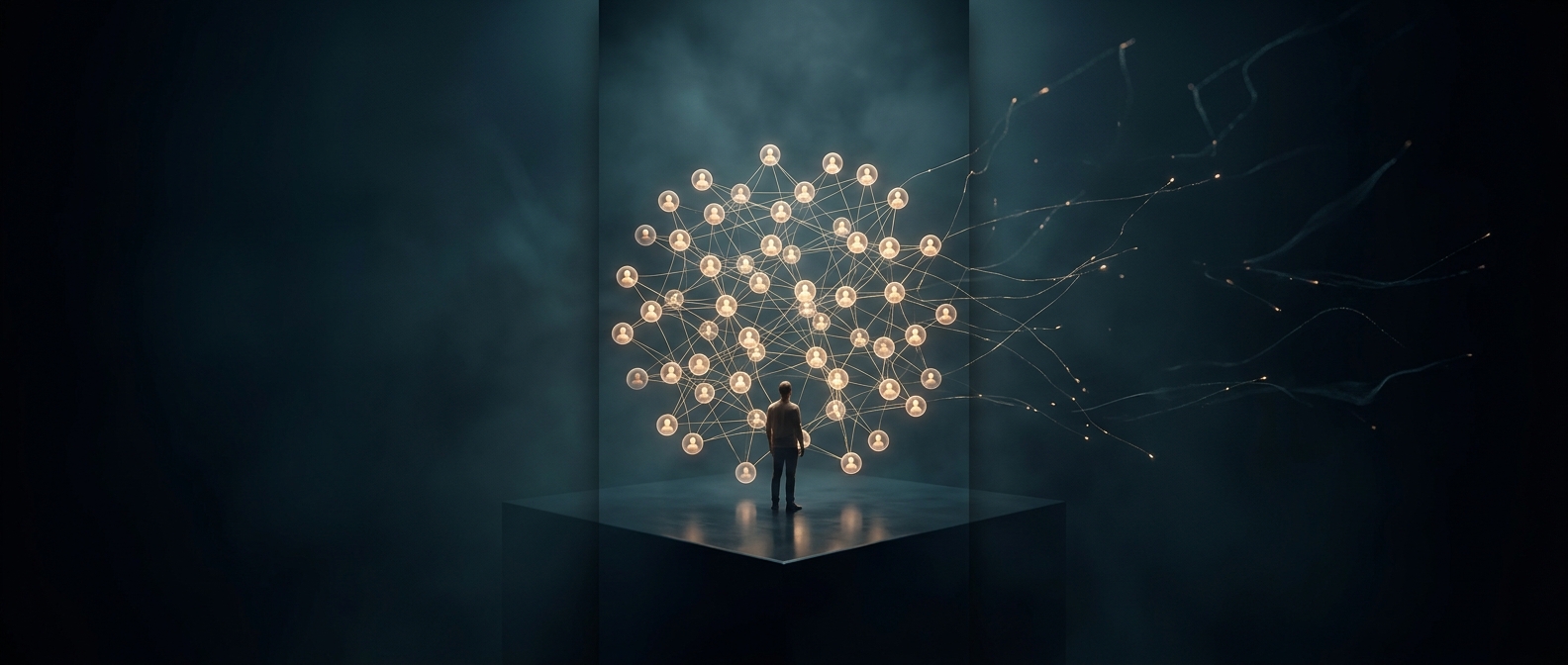
A useful way to picture the moment is that the solver is juggling both the puzzle and an imagined performance review. Even when the observer says nothing, the possibility of being evaluated can occupy attention. Give the solver privacy, or make clear that mistakes are expected, and some of that attention can return to the clues.
So the stumbling is not necessarily evidence that the puzzle was harder than it seemed. Being watched can add a second, invisible task: managing how you appear while you think.