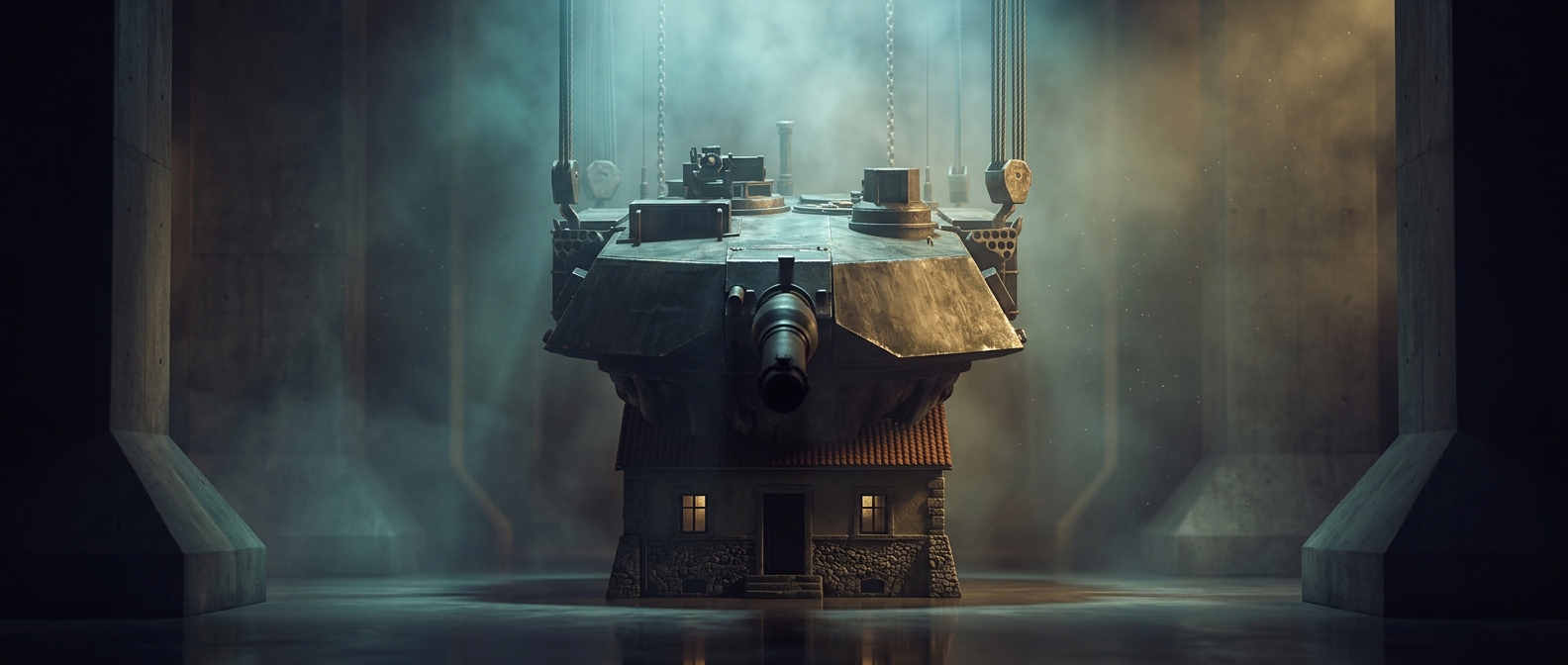
Why a Tank’s Rotating Roof Becomes So Heavy
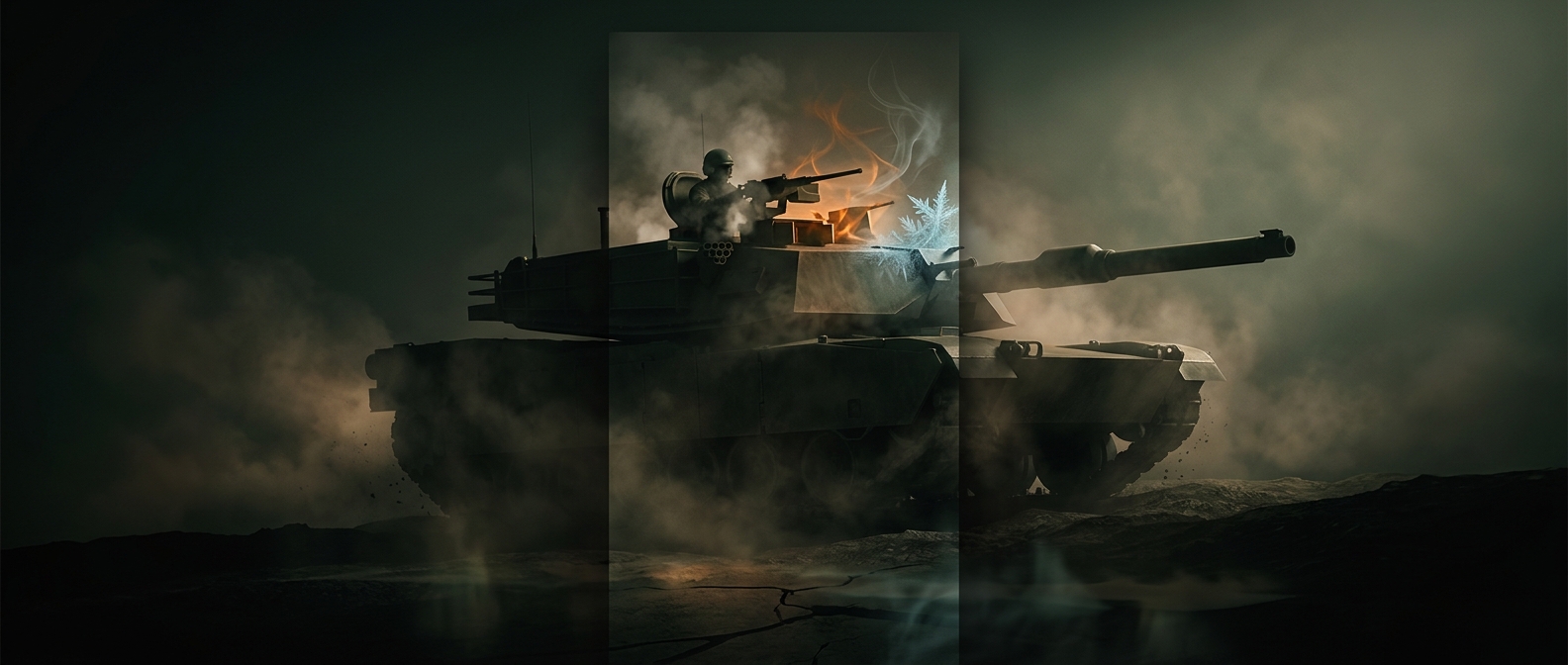
A turret has to protect more than the gunner’s head. Its armor forms a shell around the crew and the weapon, including the exposed front and sides. Because armor must stop incoming threats across an area, adding protection means adding material over broad, curved surfaces—not just a thick plate in one spot. That material quickly becomes a major share of the turret’s weight.
The Gun Has to Turn With It
The turret also carries the gun and the equipment needed to aim it. When the turret rotates, all of that mass moves together on a large circular bearing, often called the turret ring. A powered drive must overcome the assembly’s inertia—the tendency of a heavy object to resist changes in motion—whenever the crew swings the gun toward a new direction.
The weight also has to be supported by the hull beneath it. Designers must balance protection and firepower against the demands placed on the rotating mechanism and the vehicle’s structure. A thicker shell may better shield the crew, but it also makes the turret harder to turn and adds weight the tank must carry.
That is why a turret weighing more than 20 tons is not simply a gun attached to a lid: it is a large armored room that must rotate smoothly while carrying its weapon and aiming gear.