Why an Armored Vehicle Feels Smaller Inside
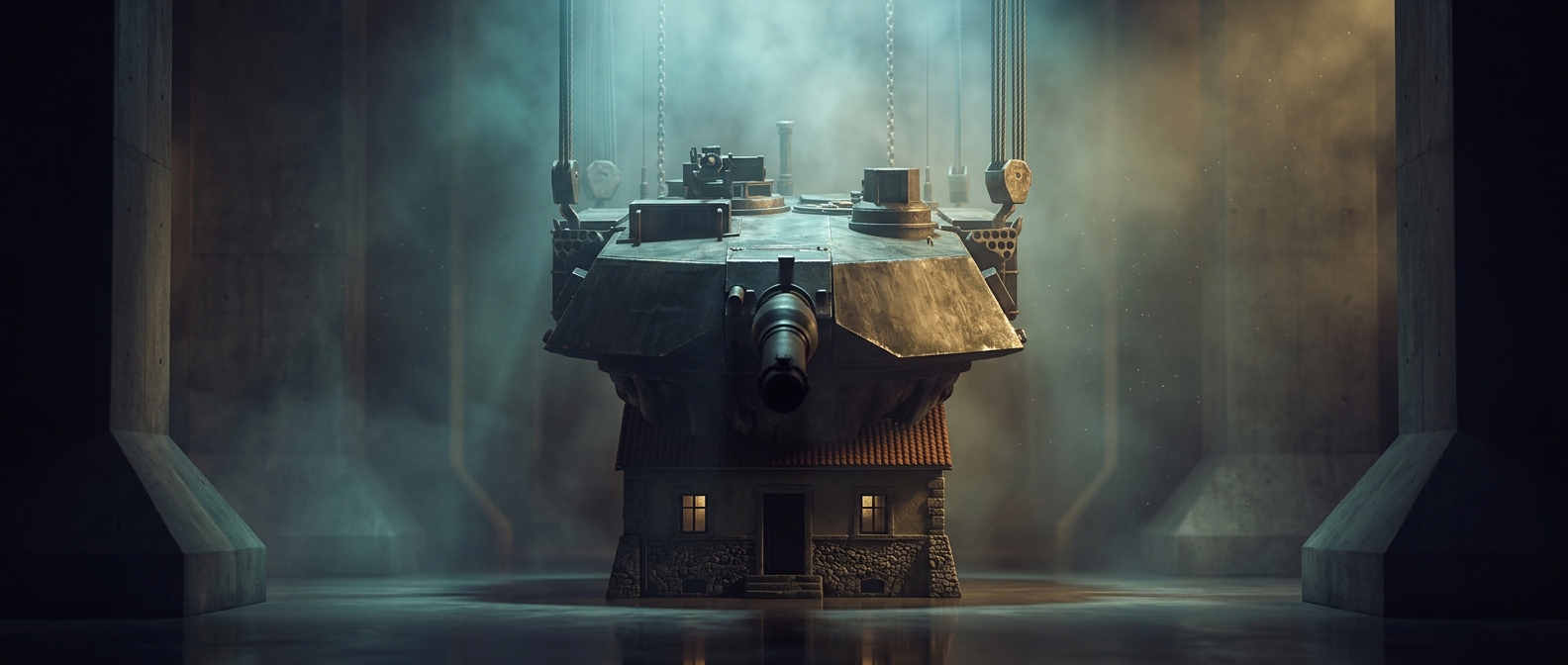
An infantry fighting vehicle has to fit a protected crew, a group of dismounting soldiers, their equipment, an engine, and weapons into a vehicle that must still move and maneuver. Those demands compete for the same limited space. Armor adds weight, so designers cannot simply make the hull larger without also asking the engine, suspension, and drivetrain to handle more mass. A larger vehicle can also be harder to maneuver and present a bigger target.
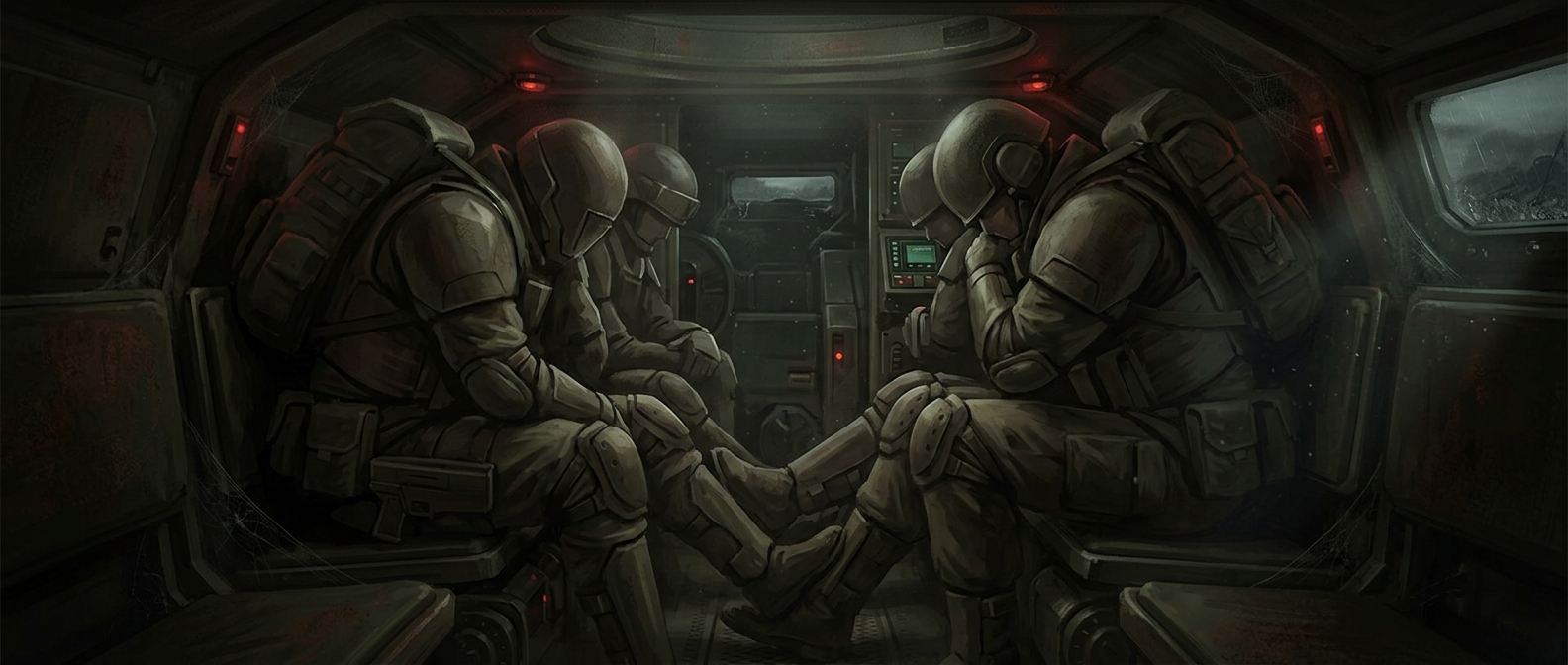
The layout creates its own constraints. The engine and transmission occupy part of the hull, while a turret or other weapon system can extend into the space below it. Seats, structural supports, and equipment stowage then have to fit around them. The resulting troop compartment may have little spare room even before everyone boards.
Space Is Also About Getting Out
The compartment must do more than hold passengers: soldiers need to remain seated during movement, keep essential gear with them, and reach an exit when the vehicle stops. A rear ramp or door needs clear space, so that area cannot simply become extra seating or storage. Gear that is loose or piled in the way can slow dismounting, making orderly stowage a practical requirement rather than a matter of neatness.
Designers therefore trade comfort and elbow room against protection, mobility, weapon placement, and rapid exit. The cramped ride is not incidental to the vehicle’s purpose; it reflects how much of its limited interior is committed to getting soldiers to the point where they can leave and fight.