A Motorized Shortcut Through the Grocery Store
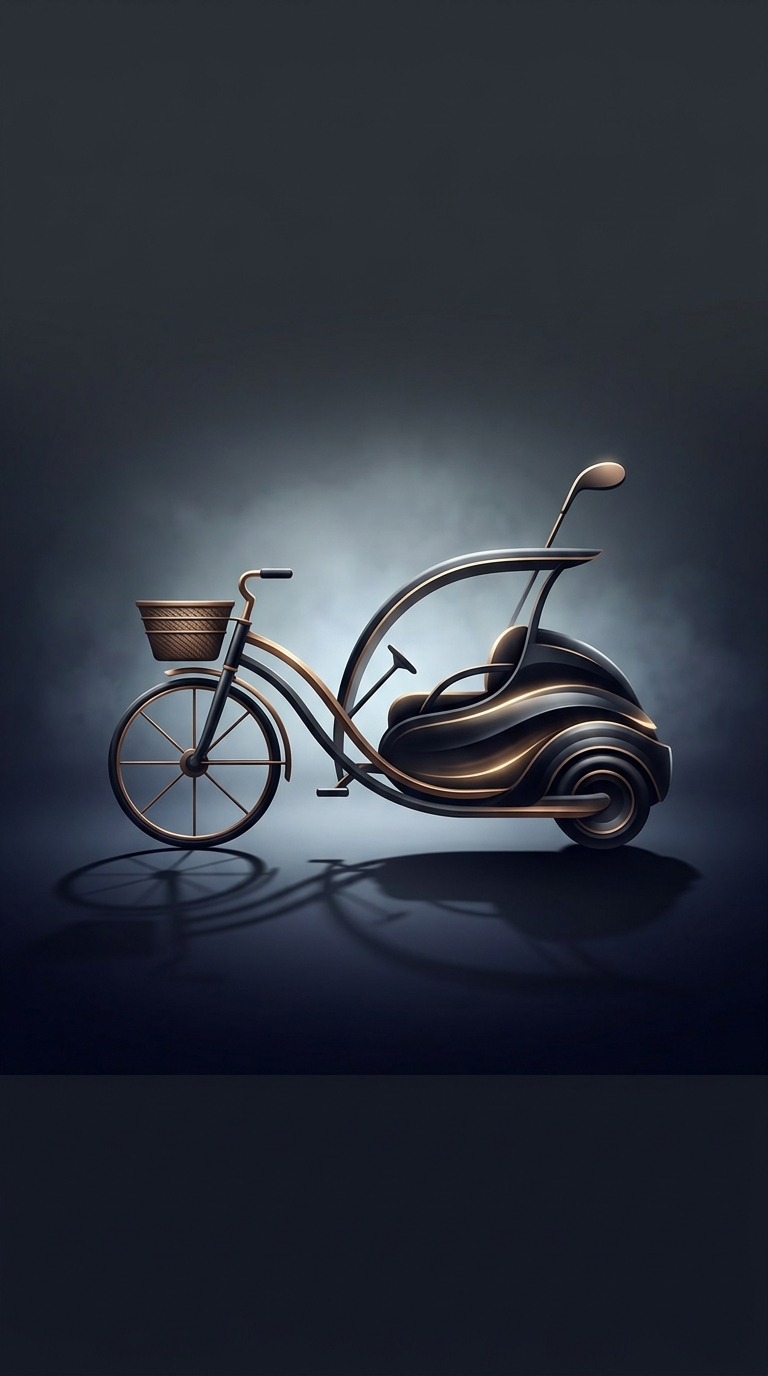
The early golf cart began with a practical problem: walking the length of a large store could be difficult or impossible for someone with limited mobility. A small motor turned a wheeled seat into a way to move through the aisles without having to walk every step.
The important design choice was modest power, not speed. A motorized cart needed to carry a person at a controlled pace and maneuver among shelves and other shoppers. That made it a mobility aid for an everyday errand, rather than simply a faster vehicle.
From Shopping Aisles to Golf Courses
Golf offered a natural next use for the same basic idea. A course involves long distances between holes, and players also have clubs to transport. A compact motorized vehicle could carry both player and equipment, adapting the mobility aid to a recreational setting.
That shift changed what people associated with the cart, but not its underlying purpose: reducing the effort of covering ground. The familiar golf-course vehicle grew from a design meant to make an ordinary trip through the store more manageable.