How a Yard Turns Cars Into a Train
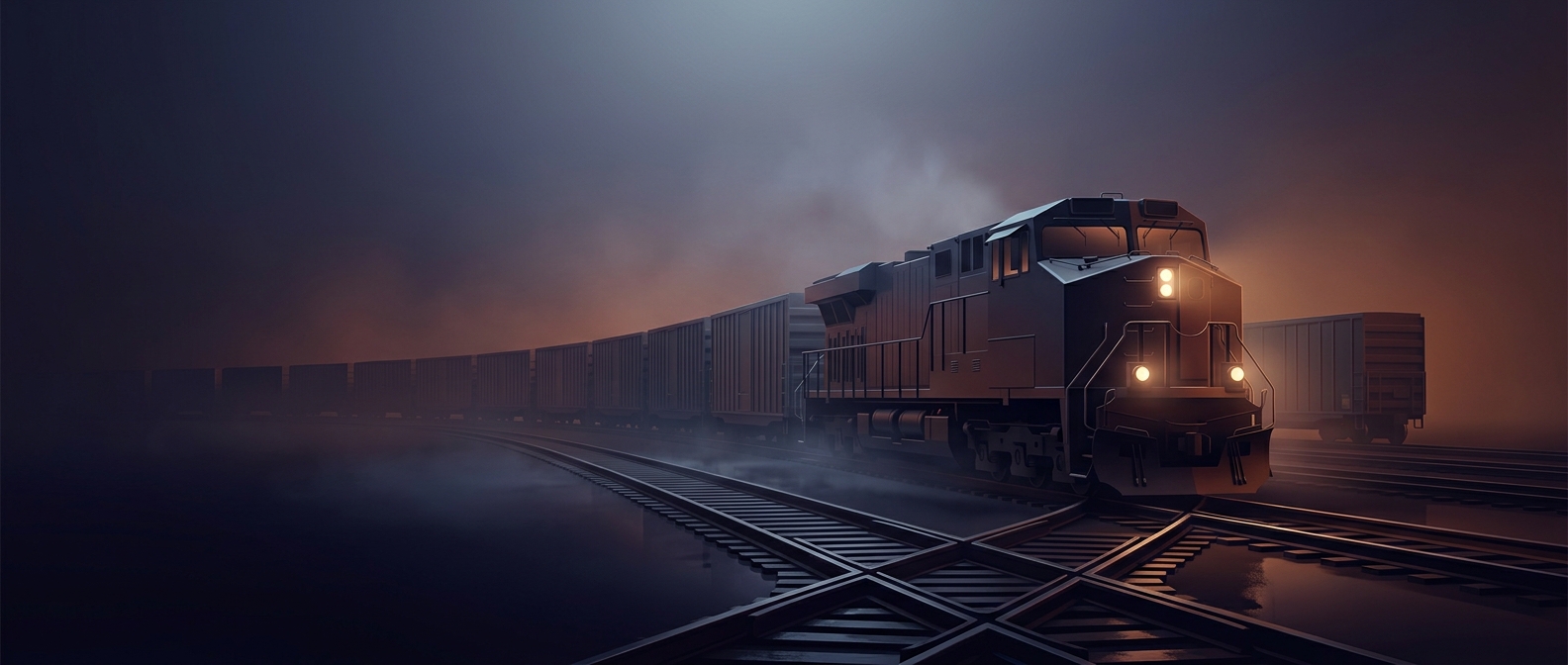
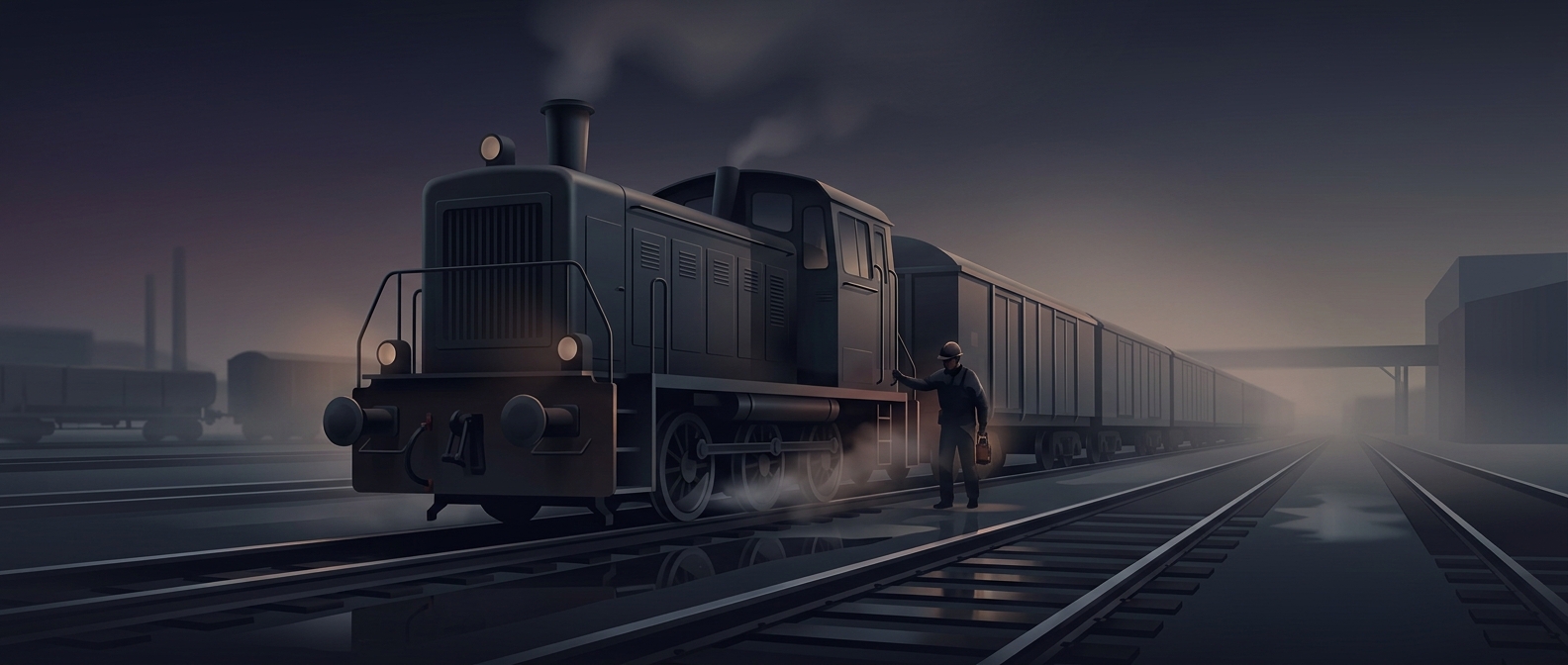
A freight car cannot choose its own route. Its wheels follow the rails, so sending it to a different track means guiding it through switches: movable rails that direct a car onto one branch or another. A shunting locomotive makes these short moves, pushing or pulling cars through the yard while the switches are set for each route.
The work is a sequence of controlled handoffs. Crews first separate cars by uncoupling them, then move groups to tracks assigned to particular destinations or trains. A car may be shifted more than once before it reaches the track where its final position in the departing train can be set. Couplers—the hardware linking cars together—make it possible to connect and release groups as the order changes.
Why the Order Matters
A train is assembled for its journey, not simply gathered in one place. Cars headed toward different destinations may need to be split up along the route, so their arrangement affects how easily crews can handle them later. Putting cars in a useful order now can prevent extra uncoupling and rearranging at a subsequent yard.
The yard locomotive is doing more than moving weight. It must stop a long string accurately, keep cars under control at low speed, and coordinate each movement with the crew setting routes and making connections. The result is a practical kind of sorting system built from tracks: each switch narrows the possible path, and each coupling joins the cars that belong together.
That is why a train’s finished shape can hide a complicated journey through the yard. Before it rolls out as one consist, its cars may have been divided, redirected, and joined again—one carefully routed group at a time.