One locomotive, two kinds of work
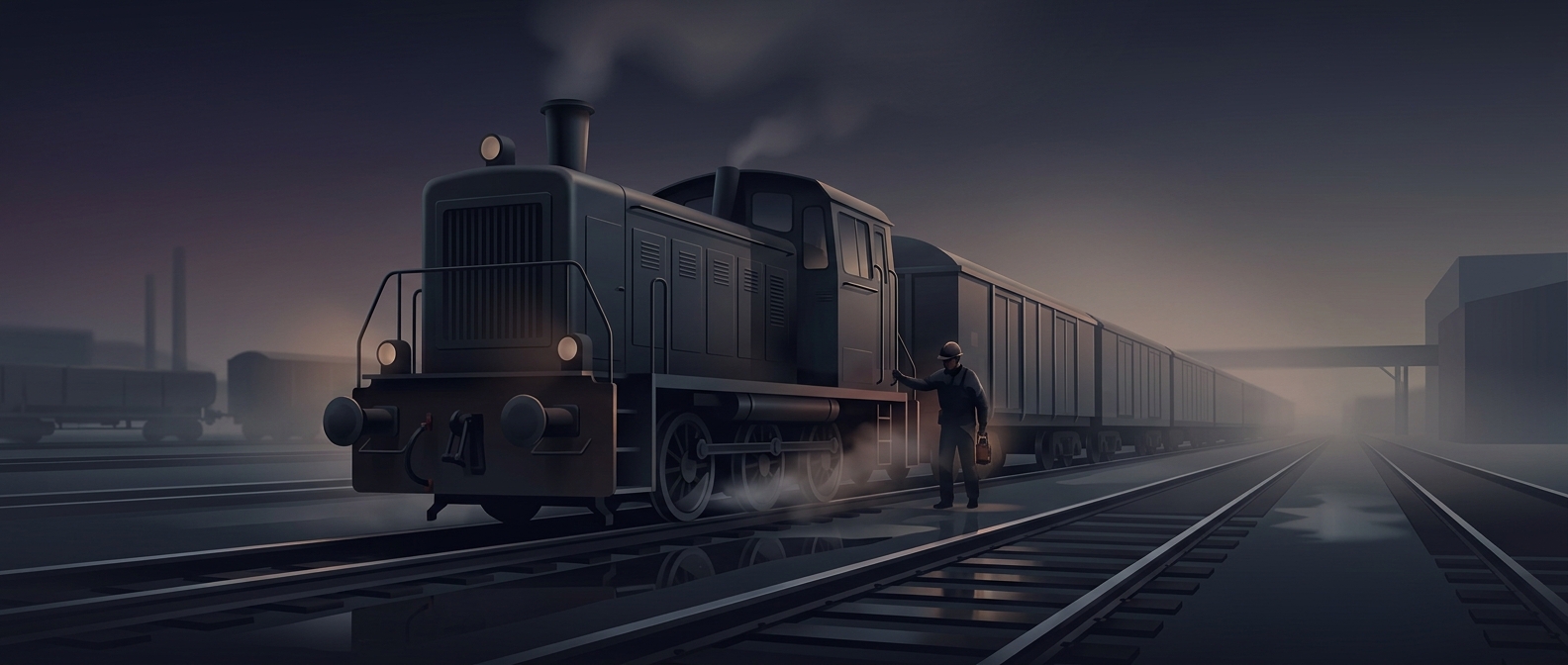
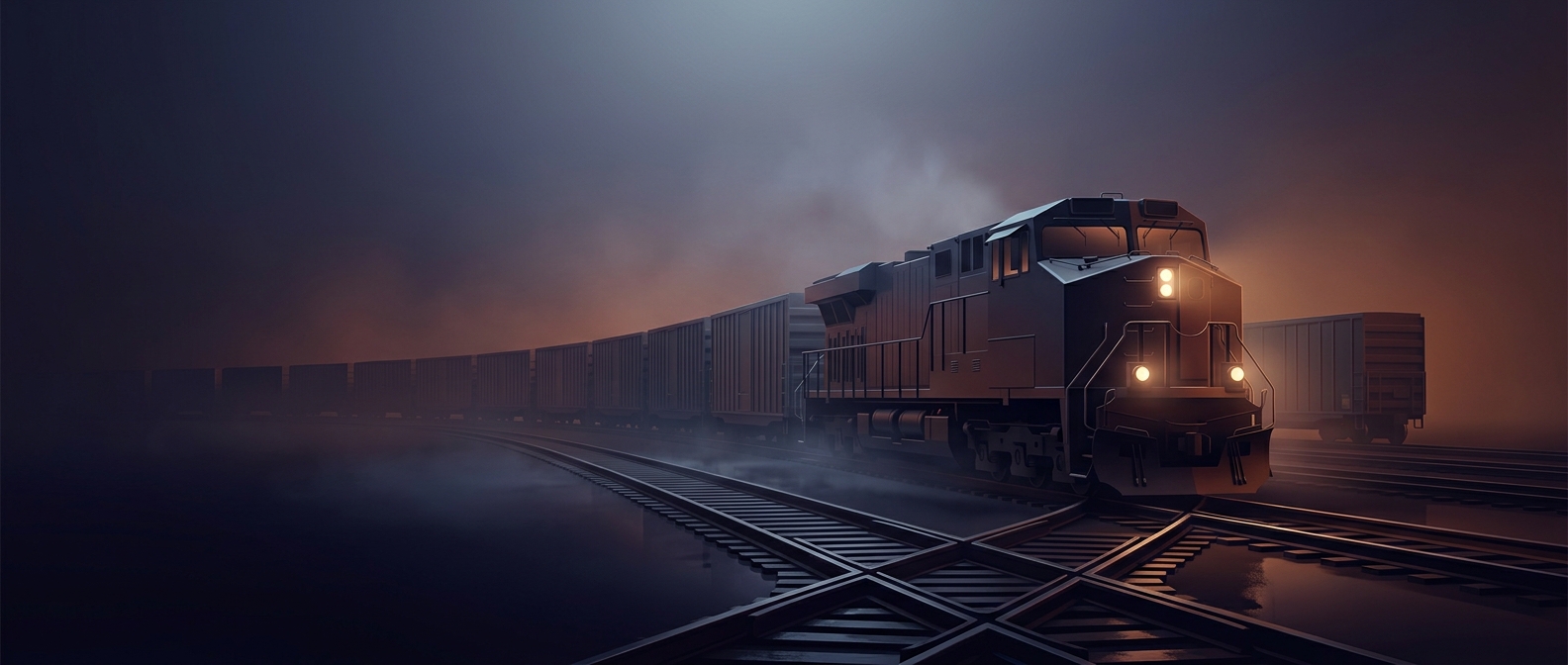
A road switcher is built to travel between towns with a train of freight cars, then work at much slower speeds inside a rail yard. There, “switching” means moving cars among tracks to assemble outgoing trains, separate deliveries, or place cars where crews can reach them.
That change of pace is more than a matter of slowing down. On the main line, the locomotive must pull a heavy train over distance and keep it moving. In a yard, it must start and stop carefully, often moving only a few cars at a time and lining them up to be coupled to other cars.
Why one machine can handle both
Many road switchers use diesel-electric drive: a diesel engine generates electricity, and electric motors turn the wheels. This arrangement lets the locomotive deliver strong pulling force at low speeds as well as power for sustained travel. The same basic force that gets a train moving on the main line can be applied in small, controlled movements while switching.
The work also depends on coordination, not just the locomotive. A crew must position cars, make or release couplings, and manage the train’s brakes as cars are added or removed. In a yard, a small movement can determine which track a car ends up on; on the main line, the same locomotive may be responsible for hauling a much longer consist.
The payoff—and the tradeoff
Using one locomotive for both jobs avoids handing the train off to a separate yard engine simply because it has reached a terminal. The road switcher can bring freight in and help sort it for its next trip. Its versatility is practical rather than magical: it still has to shift from long-distance hauling to precise, stop-and-start work, one car movement at a time.