The waterline is a moving target
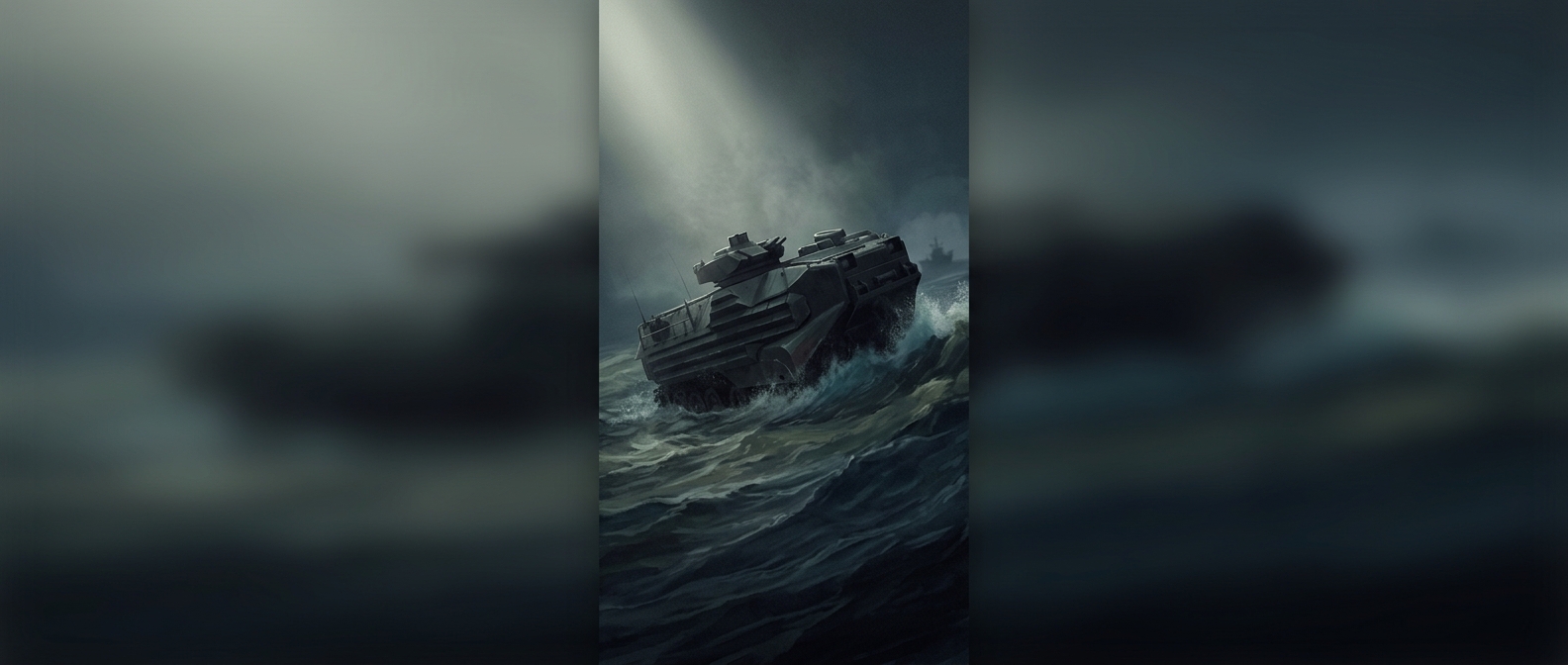
An amphibious vehicle does not have a sealed hull as deep as a ship’s. Its body must also serve as an armored, drivable vehicle, so the portion that sits above the water may be relatively low. That exposed height is its freeboard: the margin that keeps waves from spilling over the sides.
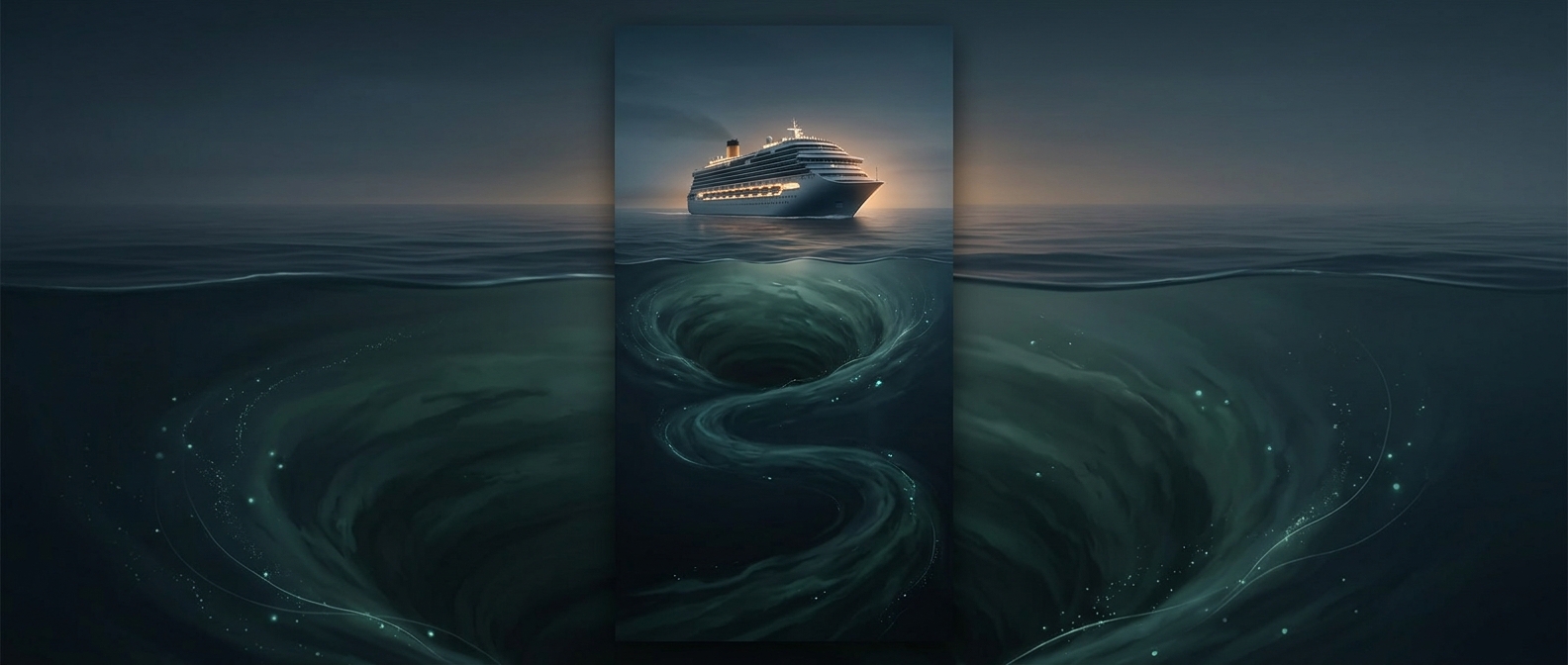
In calm water, the hull displaces enough water to support its weight. In chop, however, the surface rises and falls around the vehicle. A wave that briefly climbs above the rim can pour water onto the deck or into openings. The danger is cumulative: if water cannot drain away as quickly as it comes aboard, the vehicle carries an ever-heavier load.
A small loss of margin can compound
Water inside the hull adds weight without adding useful buoyancy. The hull then sinks lower, reducing the freeboard still further, so later waves have an easier path over the edge. Water sloshing from side to side can also shift the vehicle’s balance, making it heel and exposing more of the hull to incoming water. If enough water enters, the vehicle can become too heavy or unstable to remain afloat.
The design problem is a tradeoff. A vehicle needs enough protection and equipment to function on land, but every added load makes flotation harder, while a high, ship-like hull can conflict with its land role. In rough seas, the practical limit is not simply whether the vehicle floats at rest; it is whether enough freeboard remains after repeated waves wash across it.