A submarine built around one person’s strength
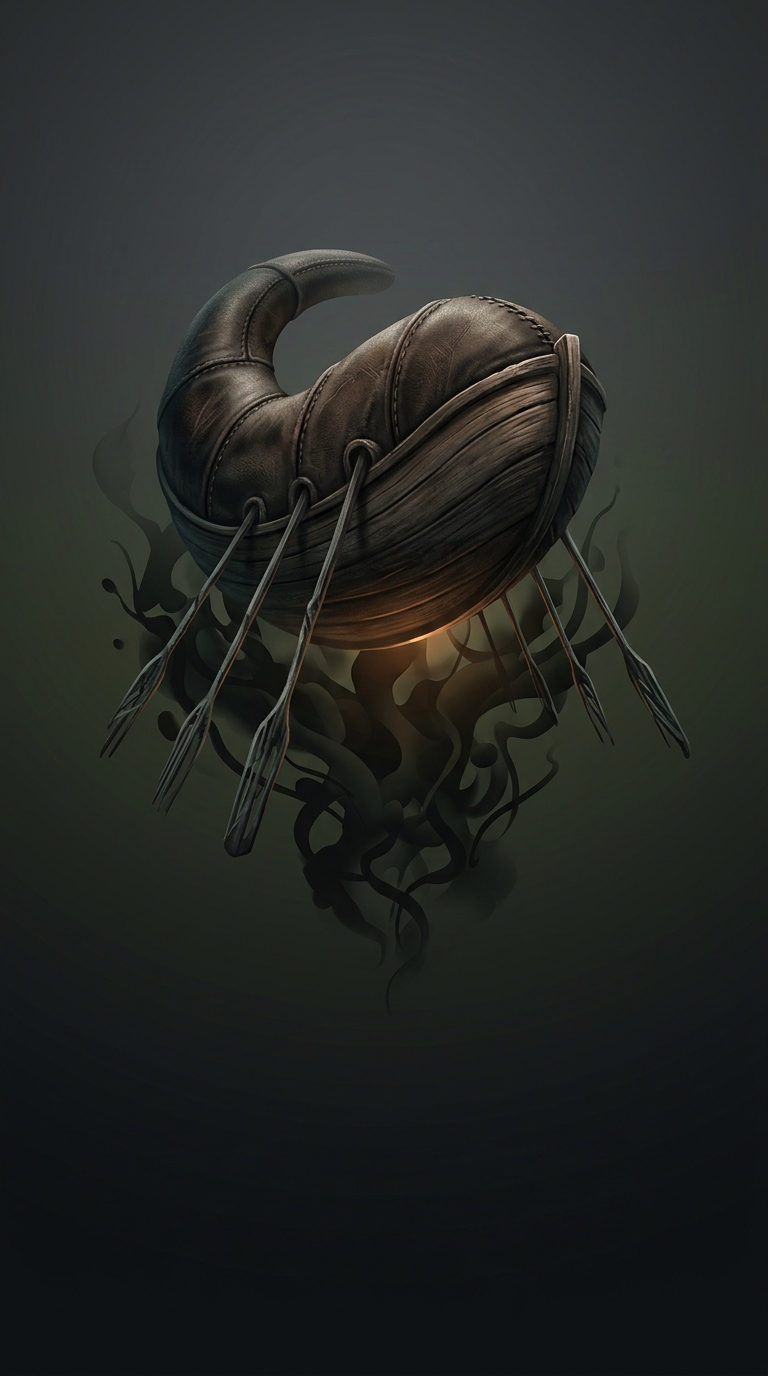
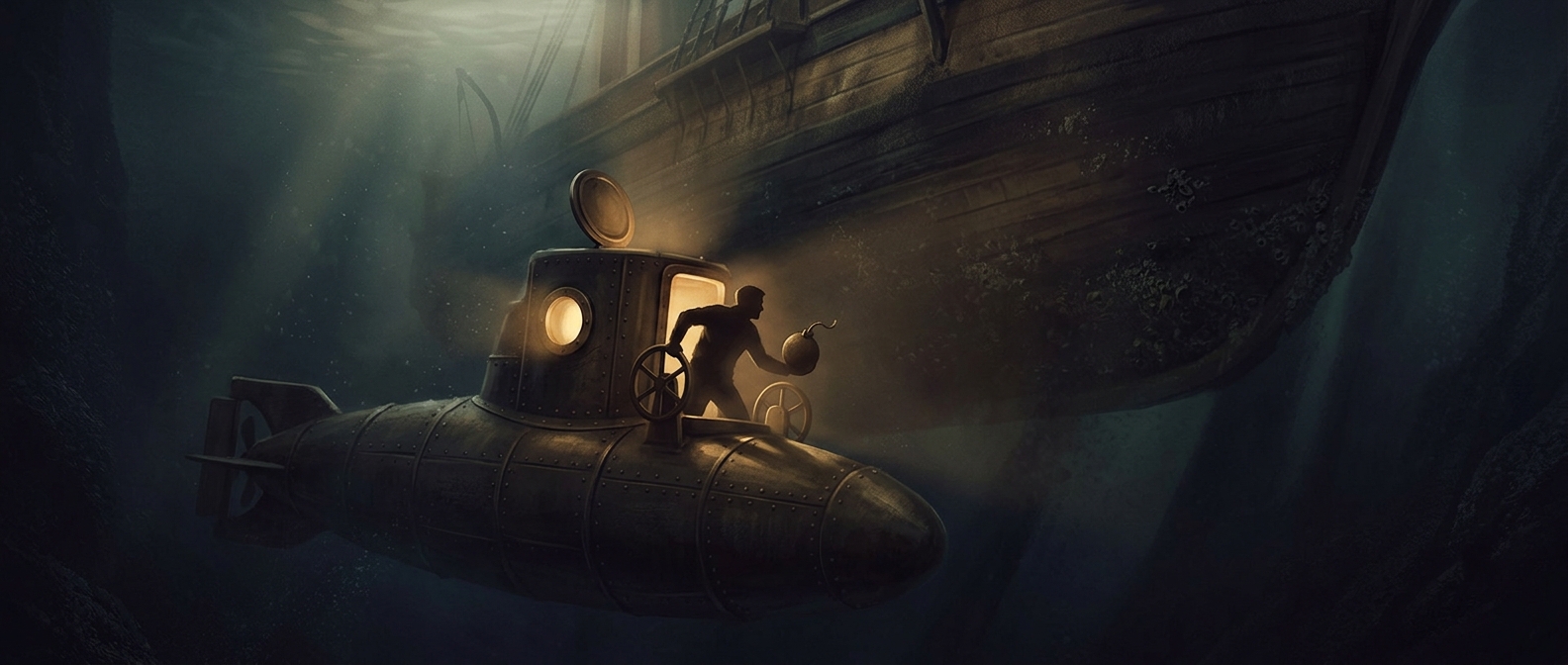
In 1775, American inventor David Bushnell designed the Turtle for a problem that ordinary ships could not solve: how to bring an explosive close to an enemy vessel without being seen. Its compact wooden hull carried a single operator, who had to propel and steer it while working its controls underwater.
The hand-powered screws did different jobs. A horizontal screw drove the craft forward; a vertical one helped move it up or down. That arrangement gave the operator control over direction and depth, but every adjustment depended on human effort. The pilot was not simply rowing in a straight line: he had to manage movement in three dimensions, navigate in darkness, and conserve energy for the attack.
A difficult approach to a moving target
Bushnell’s plan was to fasten a timed explosive charge to an enemy ship’s hull, then retreat before it detonated. In 1776, operator Ezra Lee attempted this against the British warship Eagle in New York Harbor. The attack did not succeed; the charge was not secured to the ship.
That failure exposed the difference between a workable mechanism and a workable weapon. The Turtle could move underwater, but reaching a large ship was only part of the task. Its operator also had to find the hull, hold position beside it, attach the charge, and escape—all while relying on muscle power and limited visibility.
The craft’s importance lies in that attempt to make stealth itself a form of propulsion and attack. Its hand crank was not a quaint substitute for an engine: it was the engine, and the person turning it had to power the entire mission.