Why a train mattered in a sprawling war
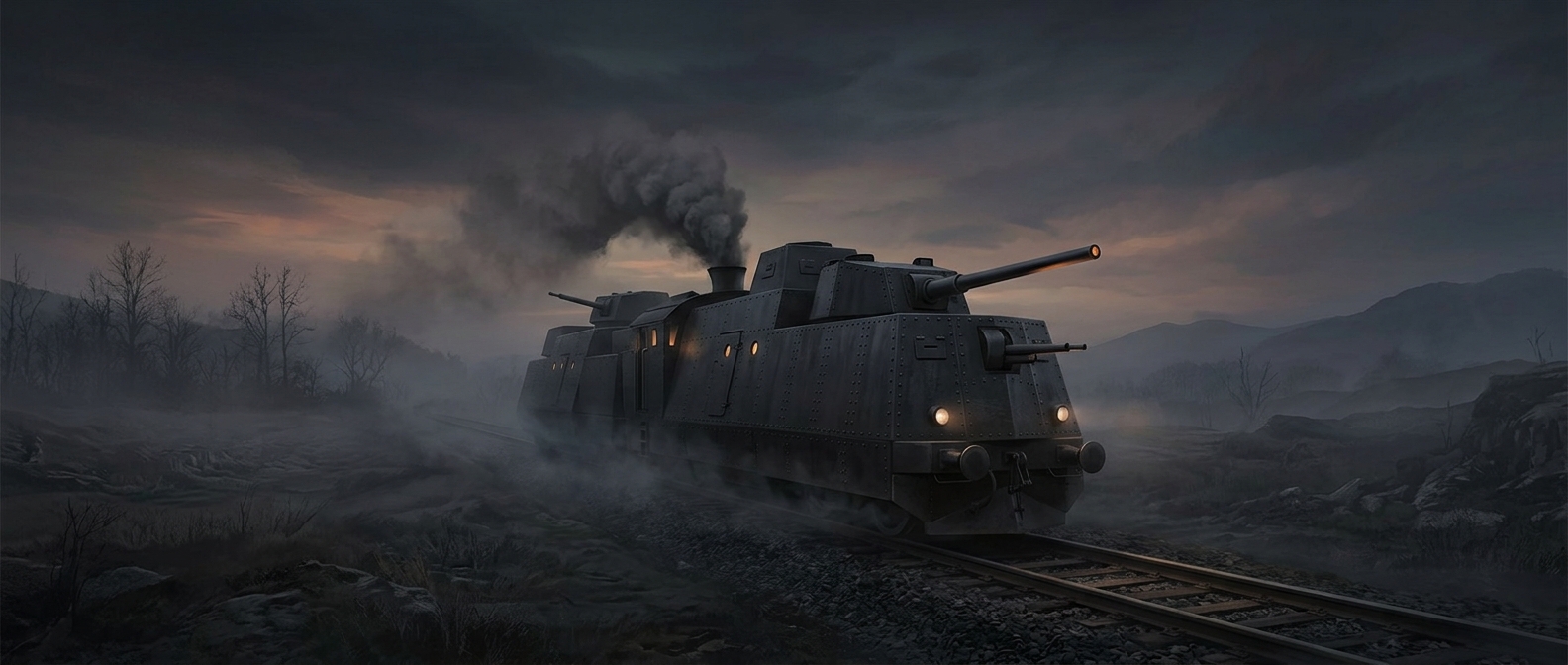
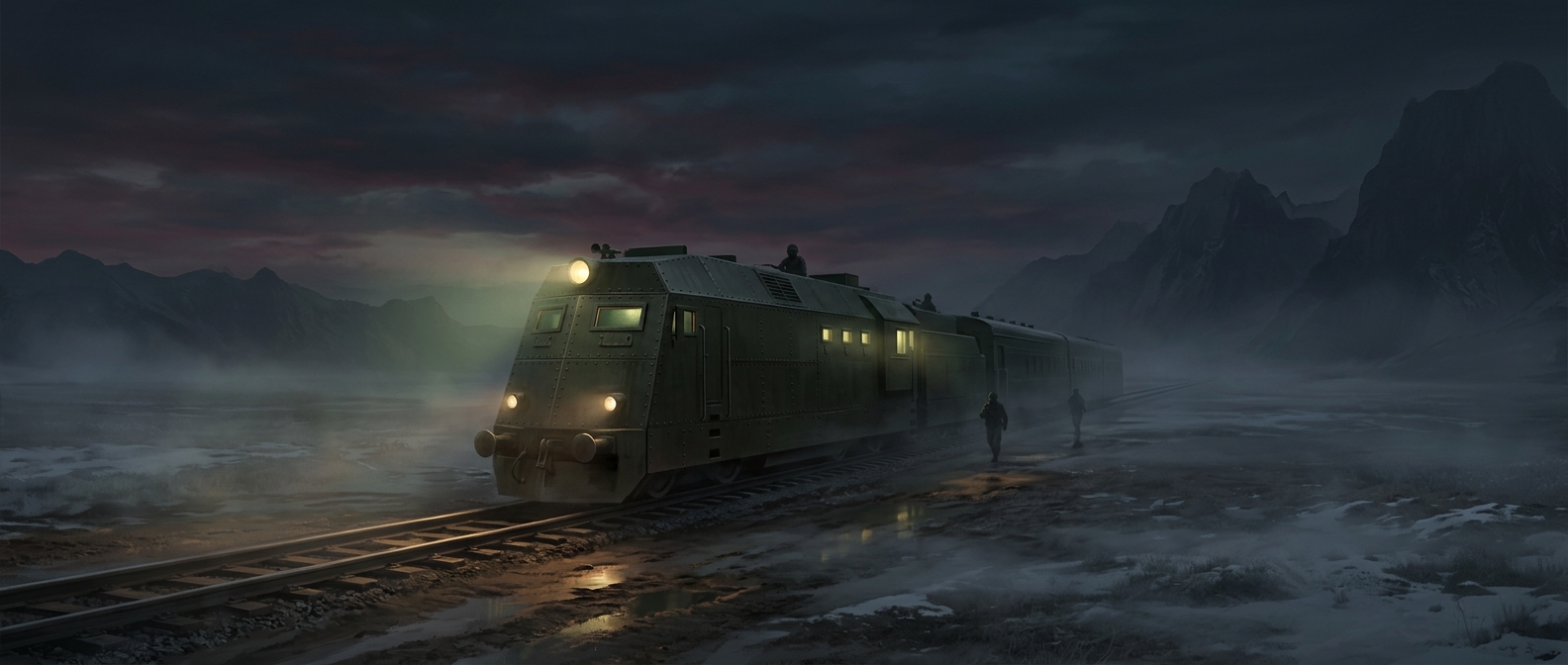
In the Russian Civil War, armies operated across a vast territory where communication could lag behind events on the ground. Railways offered a fast route between distant fronts, but a train could do more than carry people and cargo. Trotsky’s special train brought senior direction and the tools to communicate along with it, allowing the leadership to move closer to changing military situations.
An office that could travel
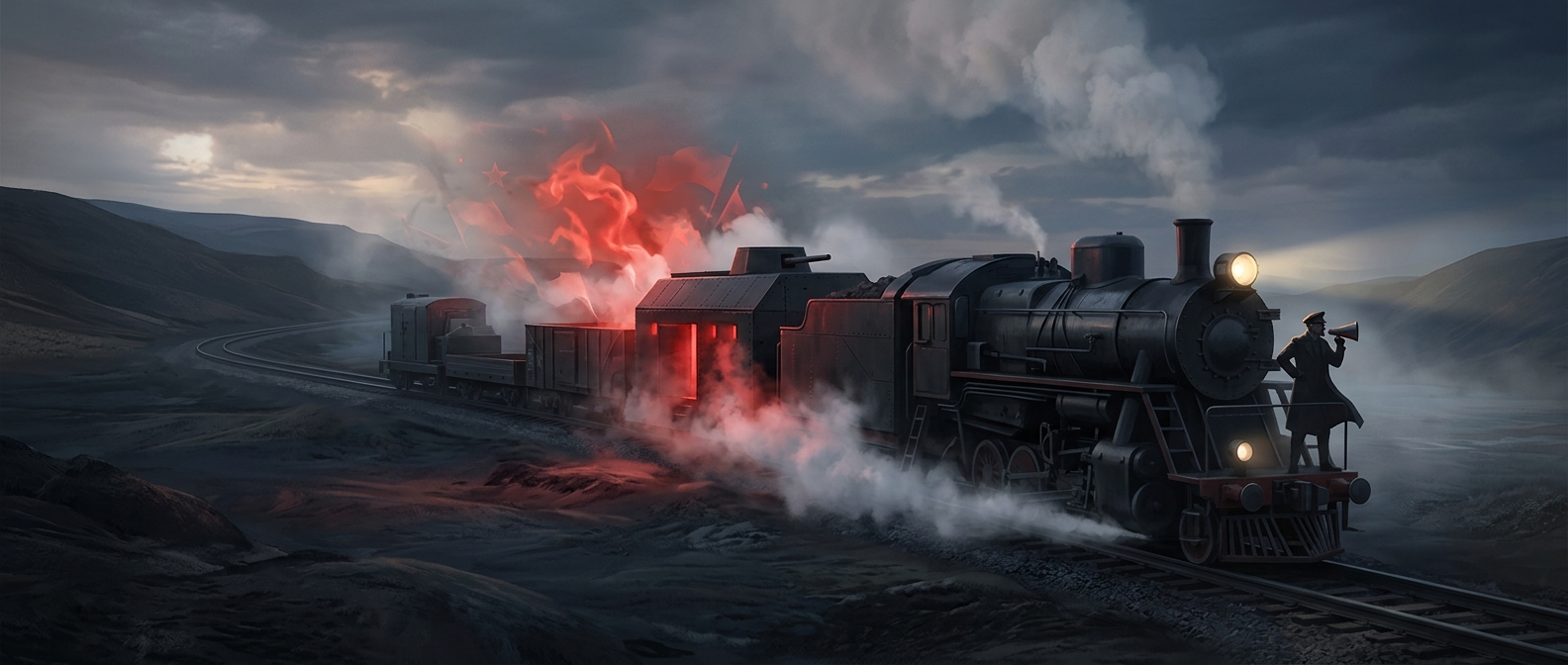
The train’s equipment linked several tasks that would otherwise require separate facilities. Radio equipment helped receive or send messages; the printing press could produce written material on the spot; and supplies supported the staff as it moved. Together, these made the train a mobile command center: not simply a vehicle delivering orders, but a working base able to connect decisions, communication, and distribution.
That mobility mattered because a fixed headquarters depended on messages traveling to and from it. A moving headquarters could visit a front, confer with local commanders, and carry guidance onward by rail. The train did not eliminate delays or guarantee that orders would be followed, but it shortened the distance between central leadership and the people fighting.
Communication was also a weapon
Printed appeals and information served a different purpose from military orders: they were meant to shape how soldiers and civilians understood the conflict. Producing and distributing them from the same traveling operation tied persuasion to the movement of the army. The train’s significance lay in that combination—command and propaganda traveling together, on the infrastructure that could carry both people and messages across the country.