Turning a railway into a gun platform
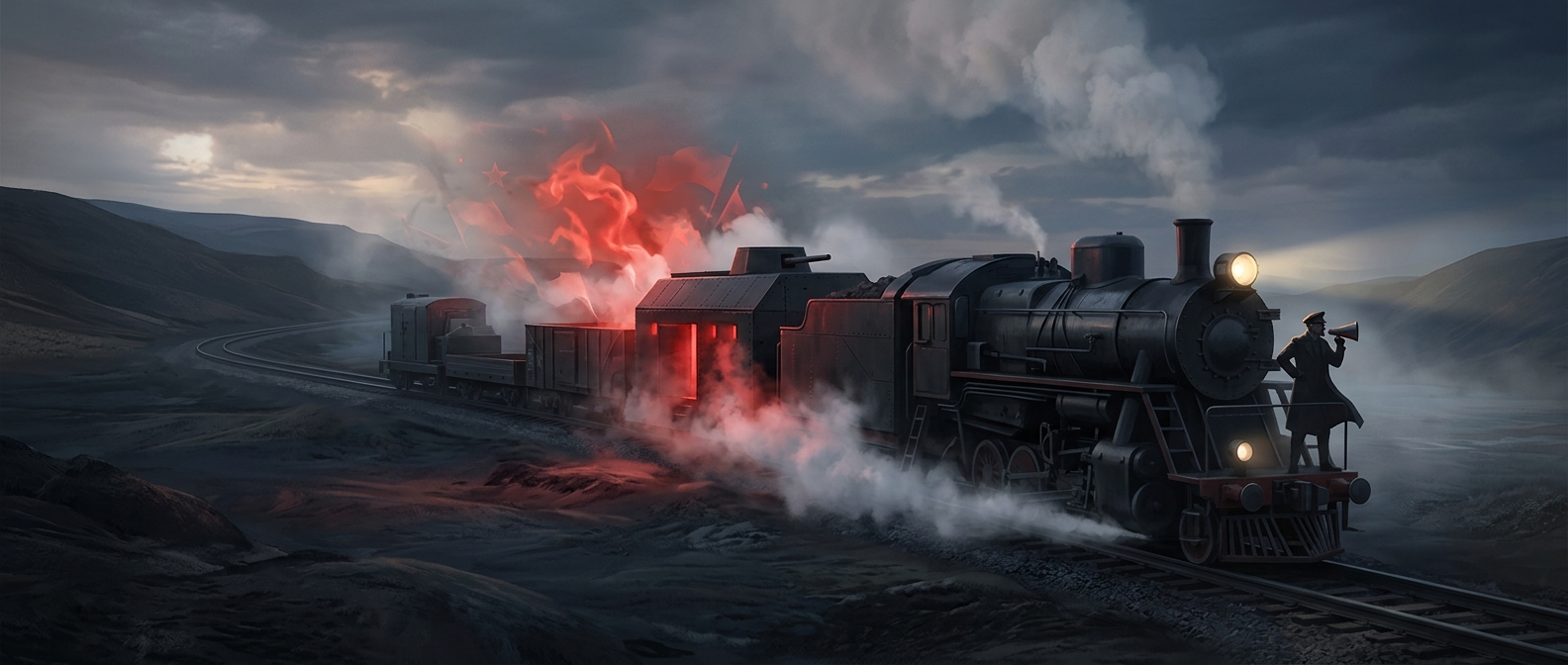
A battleship gun was powerful partly because a ship could carry the heavy weapon, its ammunition, and the structure needed to absorb its recoil. On land, a railcar offered a way to move comparable firepower without building a road capable of bearing the same load. The train could also bring shells and crews close to the front along an existing rail network.
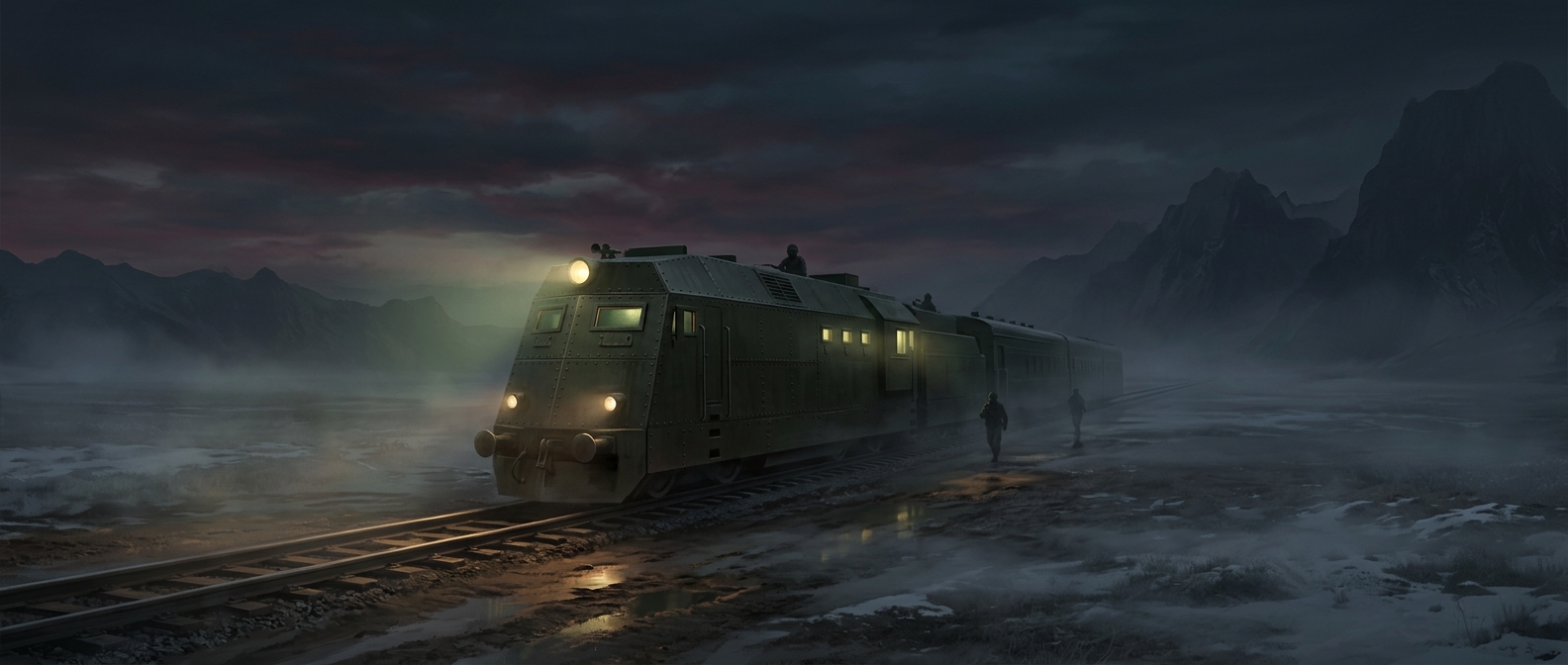
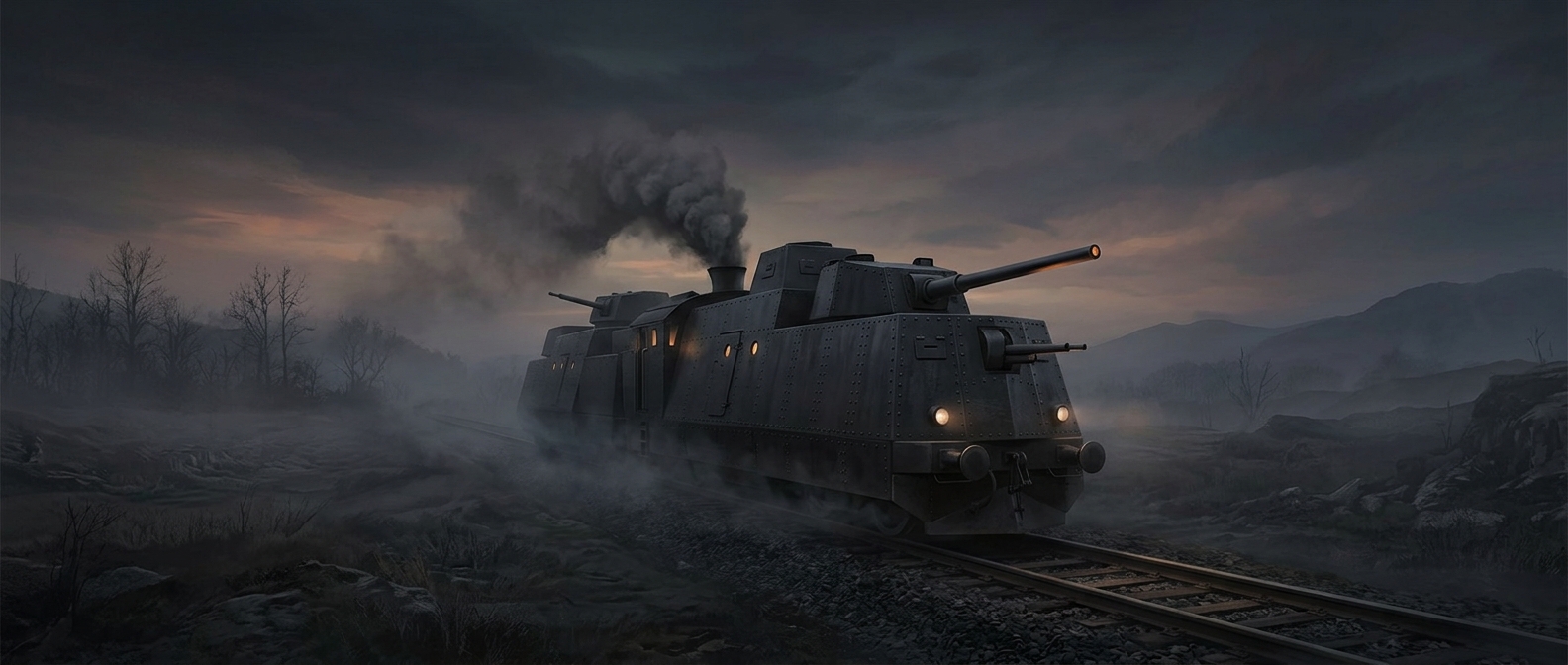
The gun still needed a stable platform. When it fired, the barrel’s recoil pushed backward with enormous force; the mount and railcar had to manage that force rather than simply let the vehicle roll down the track. Depending on the design and firing position, supports could transfer some of the load to the ground or help steady the car. Armor protected the crew and machinery from some attacks, but it added weight—another burden for the rails, bridges, and locomotives.
Firepower tied to a fixed route
Rail guns could travel quickly between places connected by usable track, but they were not free to maneuver like ordinary field artillery. A train needed a suitable stretch of line, room to position or turn its cars, and track in condition to carry the load. The crew also had to work around the railway’s schedule and layout: a gun might be powerful, but it could not take a shortcut across a field to reach a better angle.
That made the railway both the weapon’s advantage and its vulnerability. If an enemy damaged a bridge, blocked a line, or took control of the route, the gun could be stranded or forced to operate somewhere less useful. Its armored shell could shield the train; it could not make the rails beneath it safe. The result was a mobile fortress whose reach depended on infrastructure the enemy could target.