How wheels keep a quiet rail usable
Steel rails left without regular wheel contact develop a thin layer of rust. When a train passes, the wheels press against the top of each rail and rub that layer away along the narrow strip where the wheel runs. That clean contact matters: some railway systems detect trains by sending an electrical current through the rails, and a heavy coating of rust can interfere with that circuit.
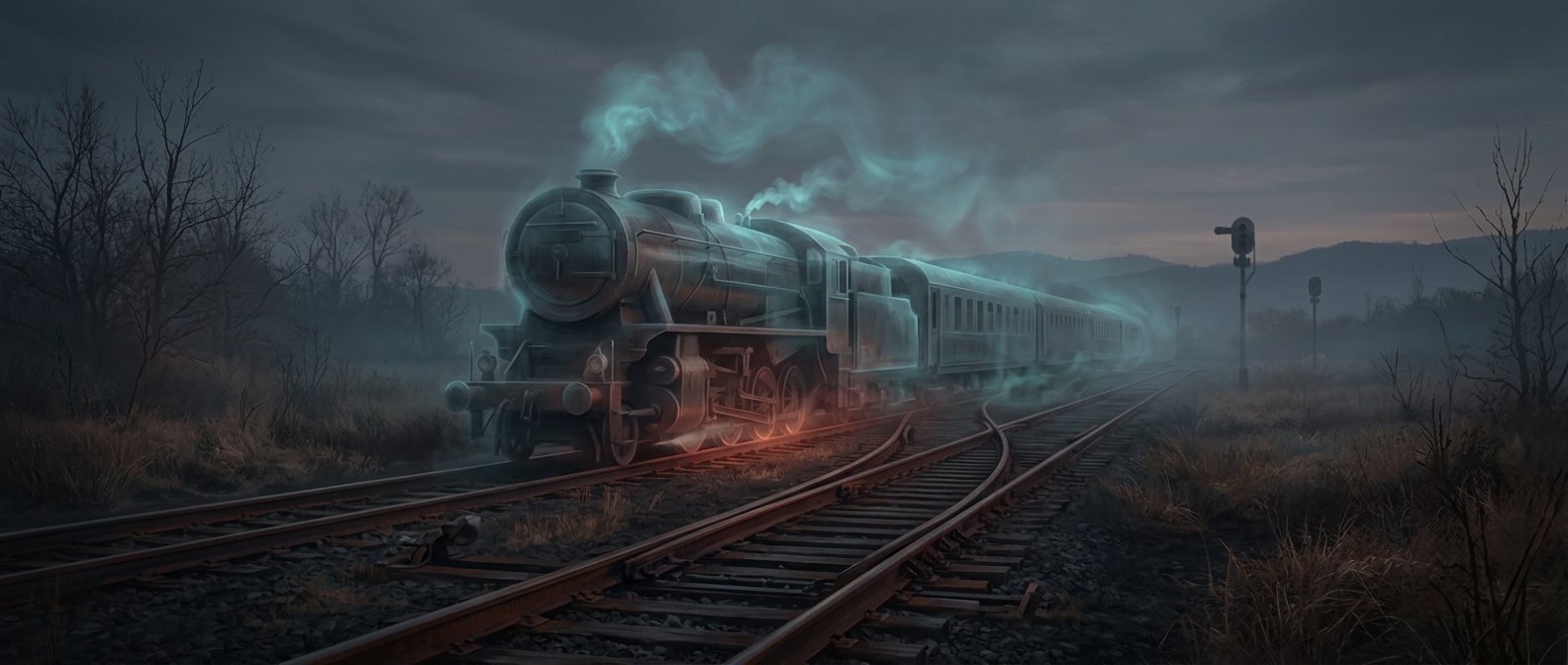
An empty train can do the same work as a passenger train because the useful force comes from the wheels, not the people aboard. On a line with few scheduled services, an operator may run a train over the route simply to keep the rails in working condition and confirm that the track remains passable.
A moving train is not a weed-control plan
Regular traffic can help limit some light growth beside the rails, but wheels do not clear weeds across the track bed or prevent shrubs from spreading. Vegetation that threatens visibility, drainage, or equipment still needs separate attention, such as cutting or spraying. The train’s role is narrower: its passage keeps the wheel-contact surfaces cleaner and can make a rarely used route less likely to deteriorate unnoticed.
So an apparently pointless empty run may be doing quiet maintenance—leaving a clean strip on the rail that the next train, occupied or not, can rely on.