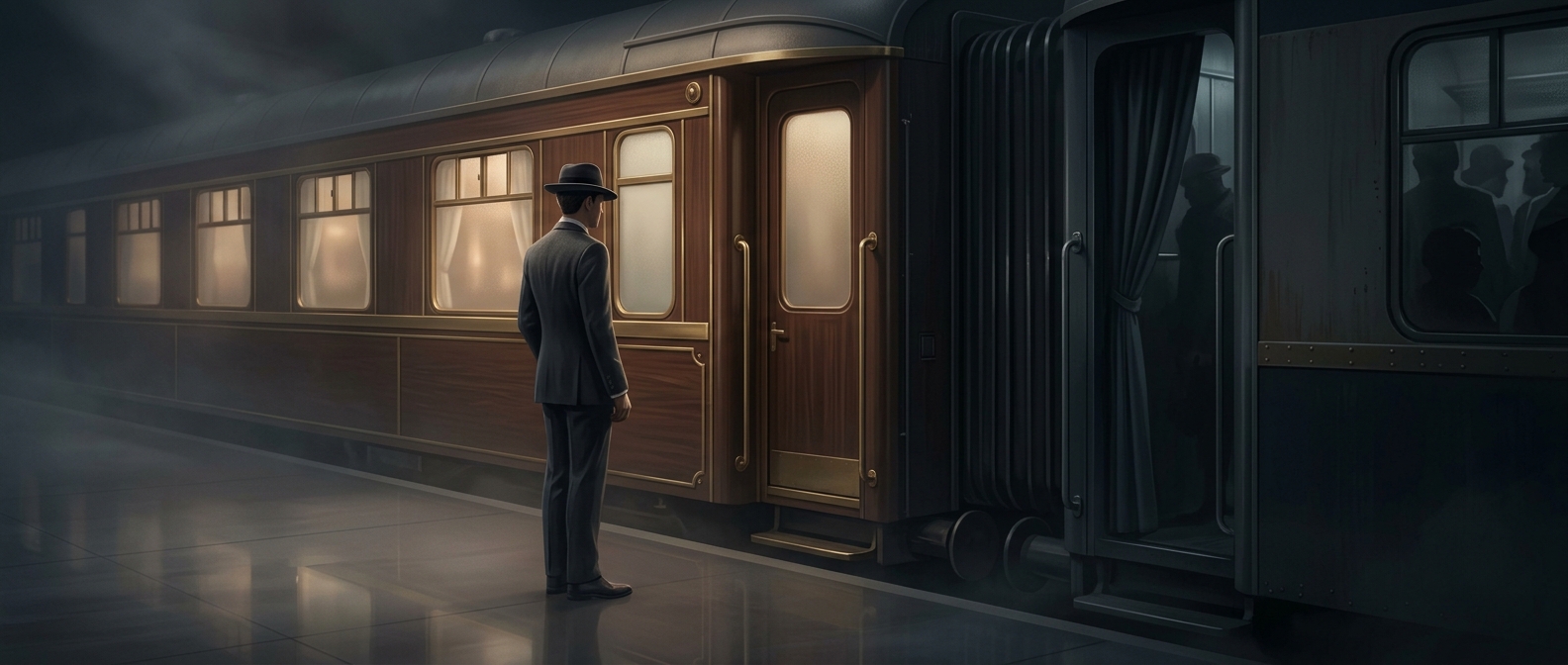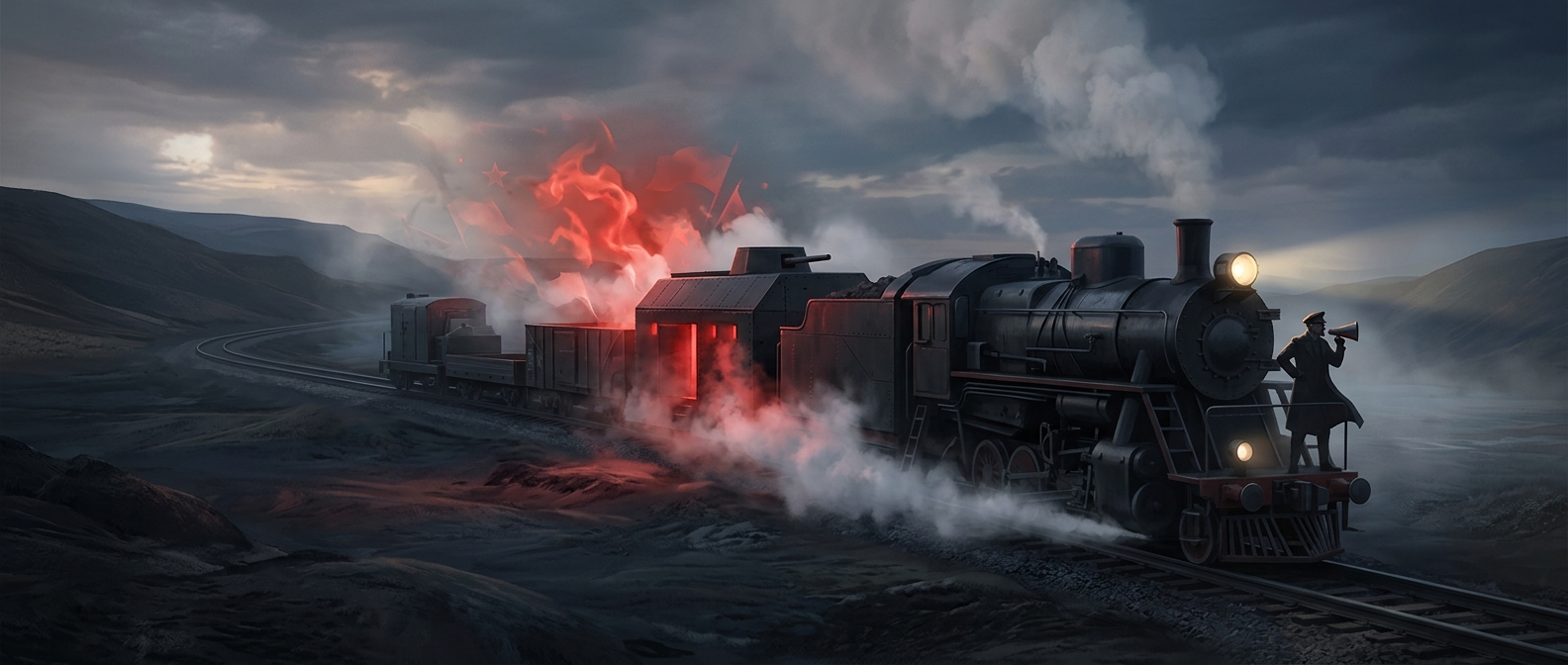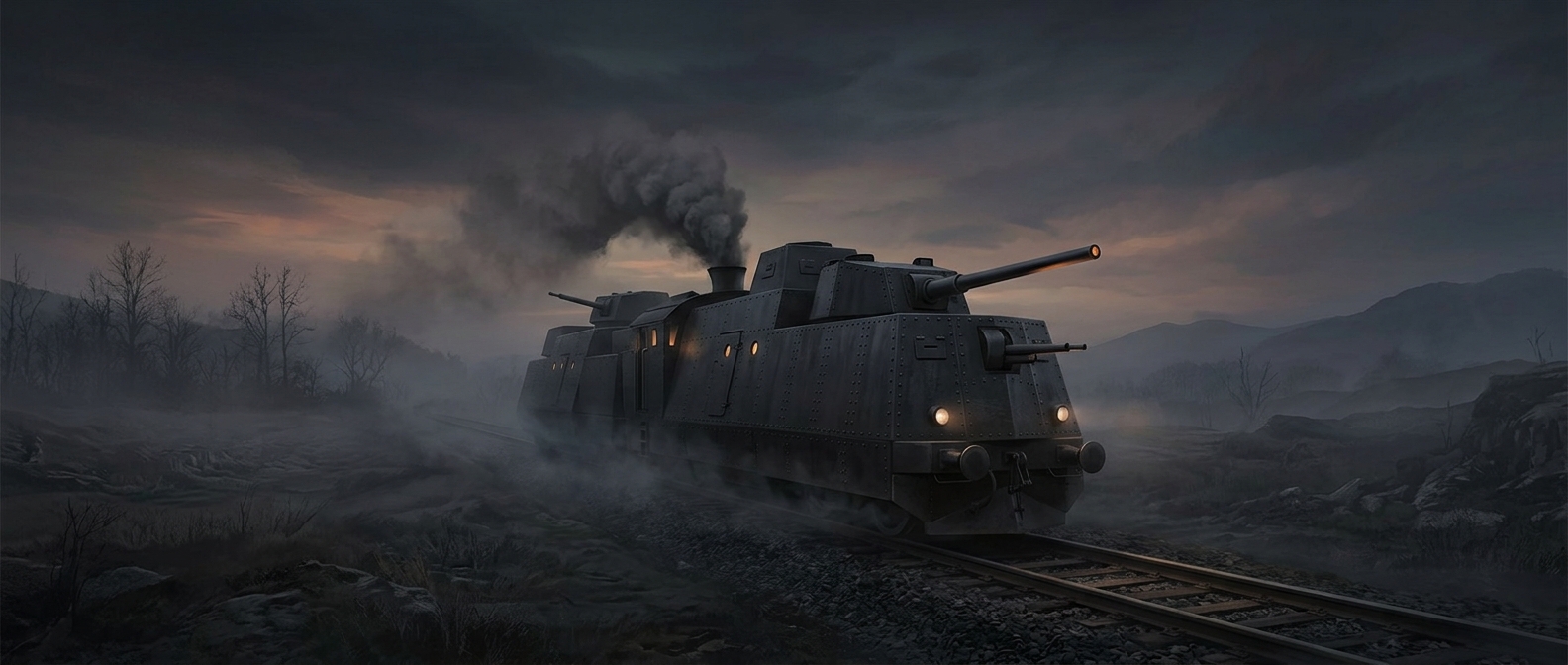
A train turns travel into a security operation
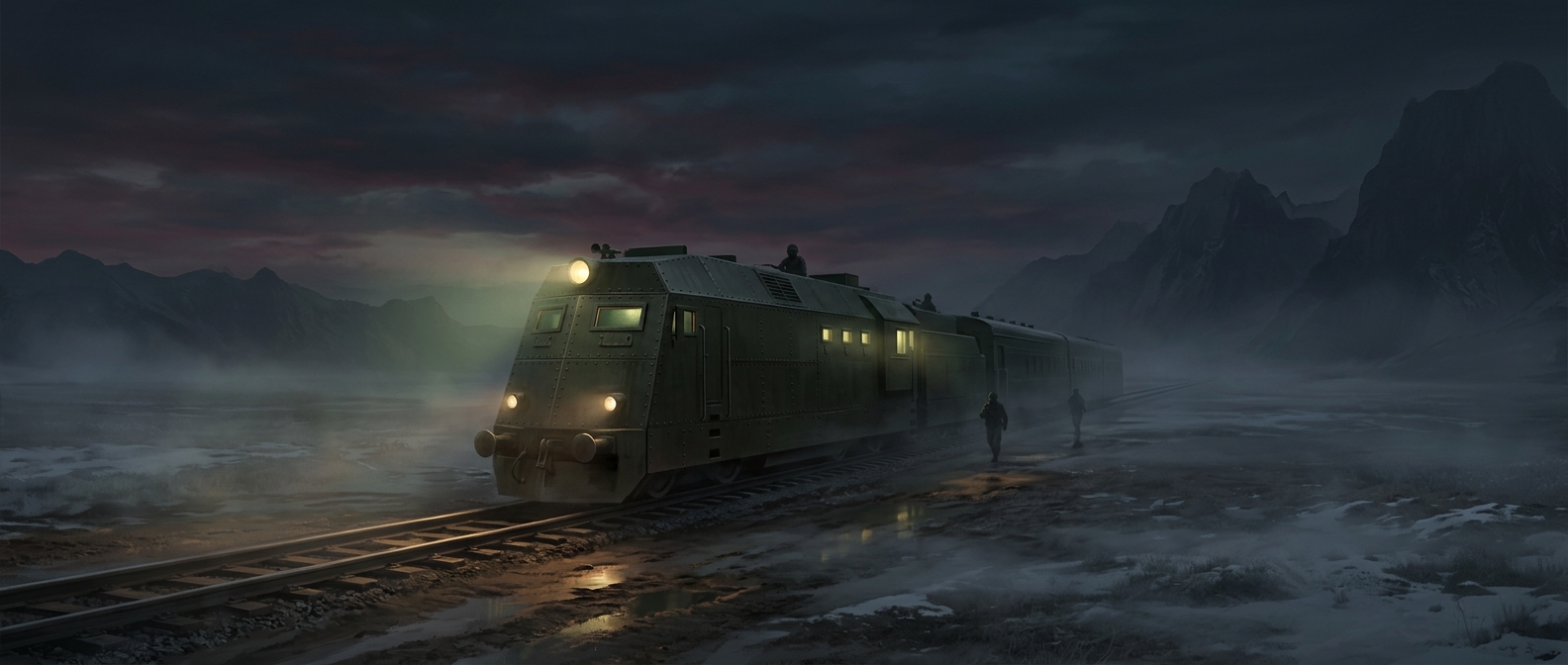
An armored train does not make a route impossible to attack. Its advantage is that the journey can be organized around a known corridor. Rail operators can restrict access to the tracks and coordinate the train’s passage through stations and other controlled points. That shifts much of the security task from protecting a vehicle wherever it might go to controlling the space it must pass through.
The tradeoff is rigidity. A train cannot change direction to avoid a problem; it is tied to the rails and to the condition of the line ahead. Security therefore depends not only on the reinforced cars but also on preparations along the route. The train offers a protected interior, while the guarded corridor helps protect the journey around it.
Protection comes with limits
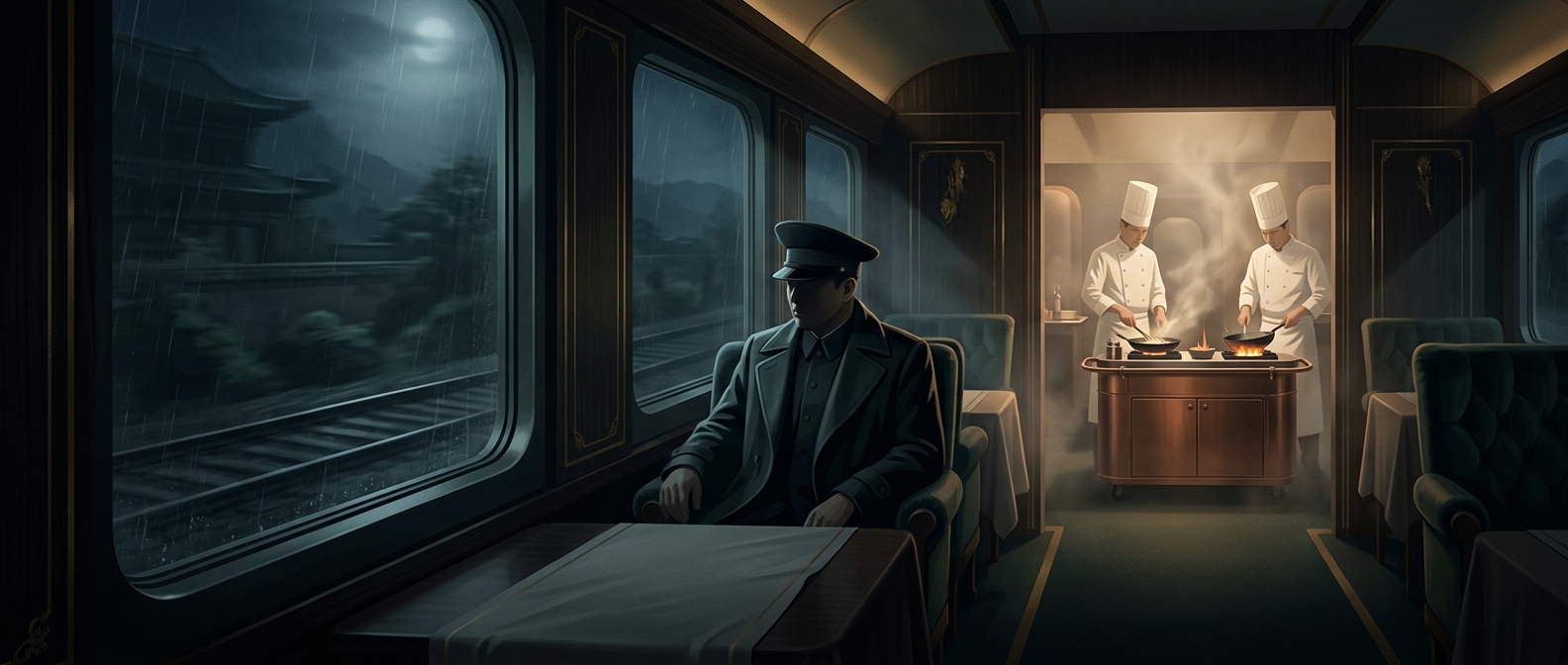
Reinforcement adds weight, and rail travel is constrained by the network’s layout and operating conditions. A train may be slower and less flexible than other ways of traveling, but it can carry people and equipment together over a long journey. The dining car is part of that practical arrangement: it lets the traveling party remain aboard rather than treating the train as merely a brief ride.
The deeper trade is less freedom to change course in exchange for more control over the conditions of travel. A rolling bunker is only as secure as the route and the operation supporting it.