How a Train Carried Its Fare System Inside
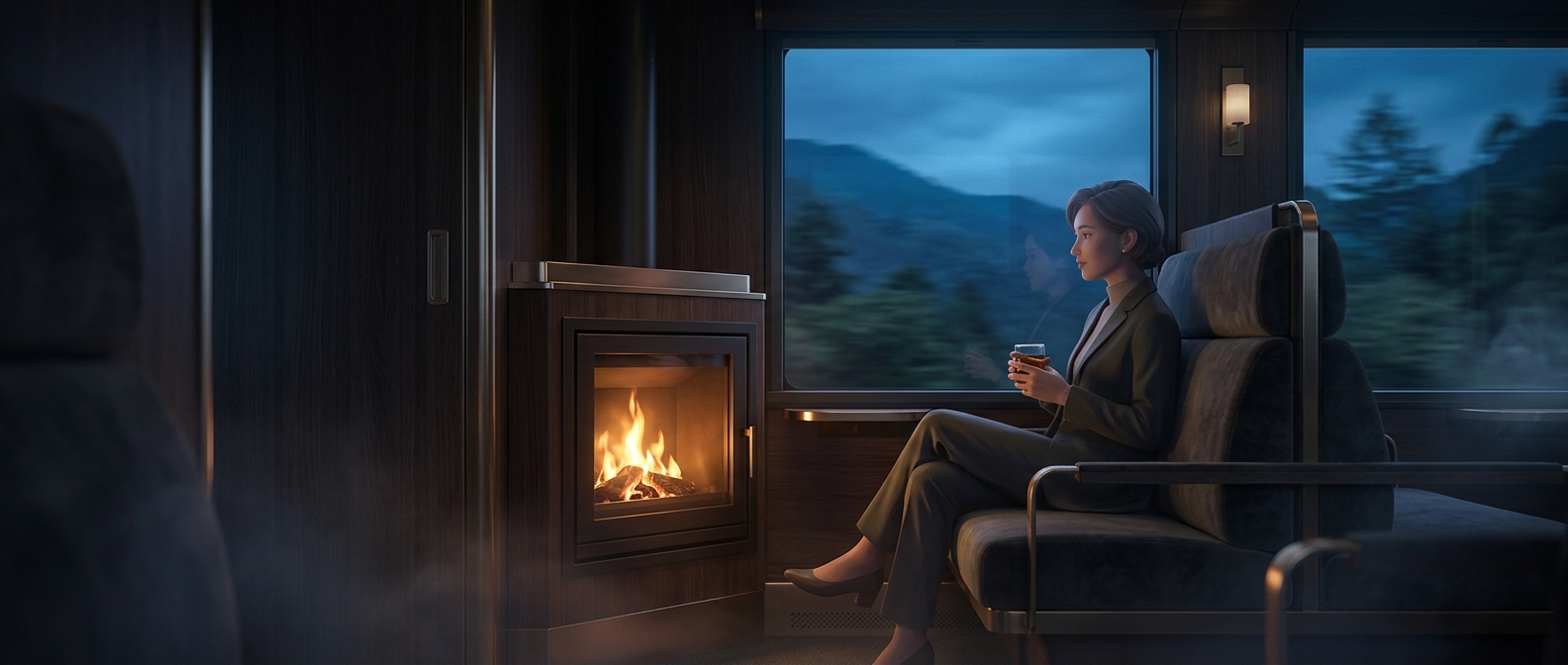
A railway ticket did more than reserve a seat: it assigned a passenger to a particular kind of space. In many rail systems, higher fares bought greater comfort and privacy, while lower fares came with simpler accommodation. The distinction could be built into the train itself, with separate compartments or whole carriages for different classes.
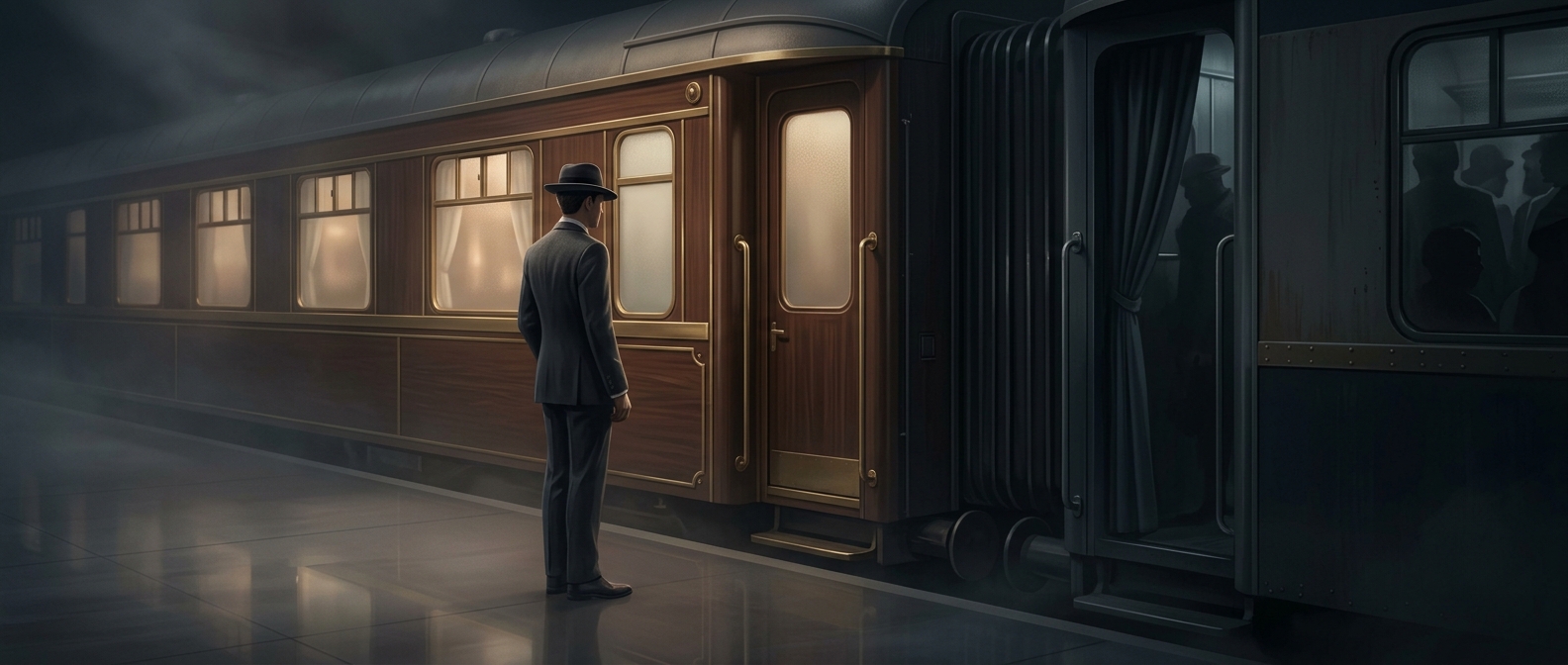
That layout made social sorting practical. A passenger entered through the door assigned to their carriage or compartment, then stayed within that section for the journey. Conductors could check tickets against where people were sitting, while partitions and separate doors made it harder for the boundaries between fares to blur. The train’s floor plan turned an abstract price difference into a visible one.
The Tradeoff Behind the Partitions
Railways had a financial reason to offer several levels of service: tiered fares could attract passengers with different budgets, rather than limiting travel to those able to pay the highest price. But selling different experiences meant designing and operating distinct spaces. A company had to decide how much room, comfort, and privacy each fare would buy—and where the boundaries between them would sit.
Those boundaries shaped the journey as well as the price. Passengers in different classes might board through different doors and spend hours in separate carriages, even while traveling to the same destination. The arrangement made hierarchy part of the ordinary mechanics of travel: it was not only printed on the ticket, but built into the route from the platform to the seat.