A tunnel boring machine cannot simply reverse out
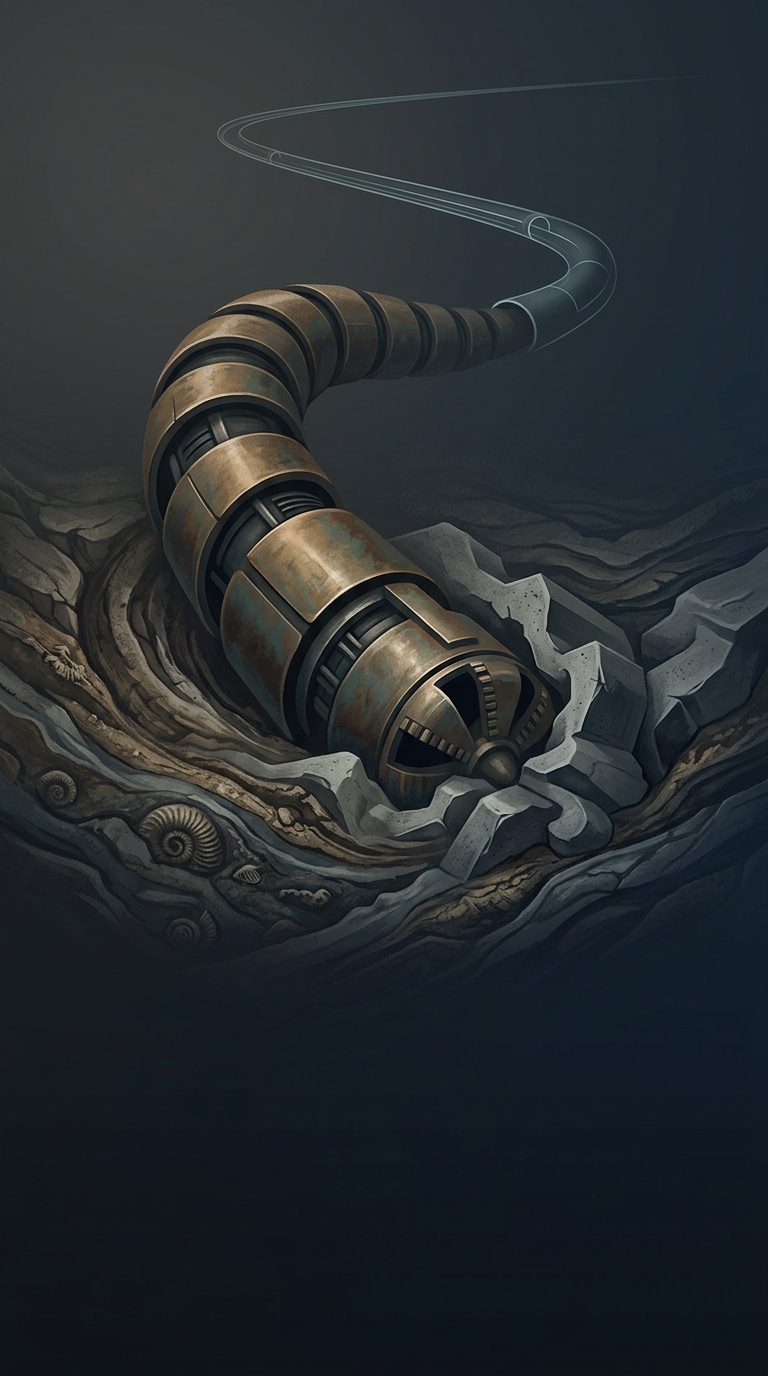
A tunnel boring machine is a moving factory: its rotating cutter head grinds through rock while machinery behind it removes the spoil and supports the newly dug passage. The cutter head is enormous, but the full machine is longer still, assembled from heavy sections that must work together in a confined space.
That design makes retrieval a major engineering job. After a machine has bored beneath the Channel, pulling it back means disassembling it underground, moving the pieces through the narrow tunnel, and lifting them to the surface. The route it created is a transport corridor, not a convenient workshop or extraction shaft.
The exit problem shaped the plan
Crews could instead dismantle a machine at the far end and leave its components in the tunnel. That avoided hauling them all the way back, but it still required reaching and taking apart equipment in a restricted underground space. For machines positioned beneath the seabed, there was no simple way to lift a complete unit vertically to the surface.
The comparison was practical: spend time and money recovering machinery that had finished its only job, or accept that it would remain underground. A tunnel boring machine is often designed around the work of advancing, not around a return journey. Once it had crossed the Channel, its most useful contribution was already behind it.
The tunnel became the machine’s endpoint
Leaving the equipment below did not mean abandoning an intact machine ready to start again. It meant that dismantling and recovery were less worthwhile than ending its working life in place. The passage itself continued as part of the rail link, while the machinery that made it became inaccessible beneath the Channel—a costly tool whose final task was to dig the way out of its own working life.